

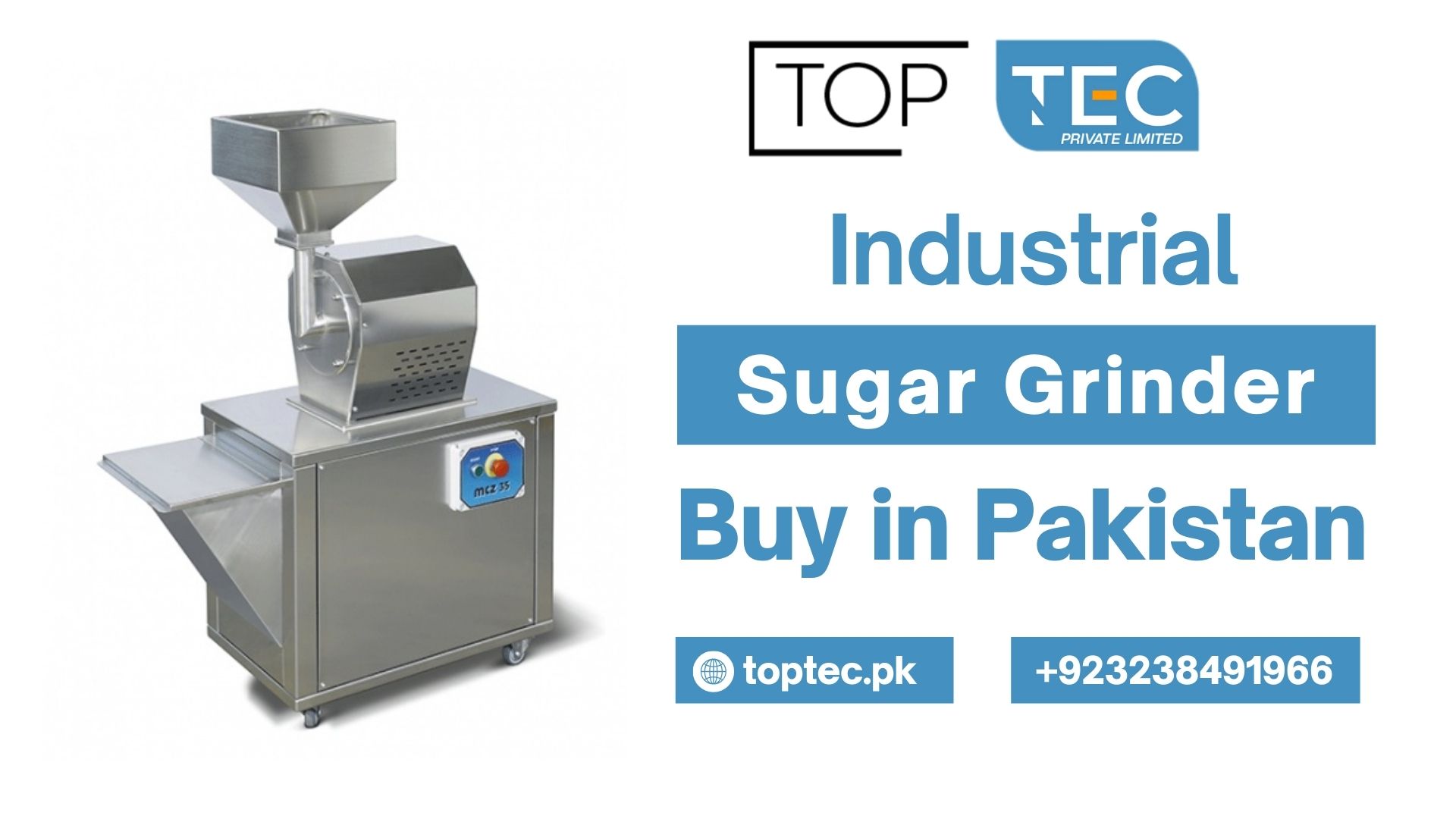
Look, a small sugar grinder that handles maybe 50 kilos an hour won’t cost nearly as much as one churning through 2,000 kilos. Makes sense, right? But here’s where people mess up – they calculate based on their average daily needs and forget about those crazy busy periods.
The thing is, there’s no magic number I can throw at you. What you’ll pay depends on what you’re trying to do, how much you need to process, and honestly, how future-proof you want to be.
Why Prices Jump Around So Much?
It All Starts With How Much You’re Grinding
Look, a small sugar grinder that handles maybe 50 kilos an hour won’t cost nearly as much as one churning through 2,000 kilos. Makes sense, right? But here’s where people mess up – they calculate based on their average daily needs and forget about those crazy busy periods.
I learned this the hard way working with a confectionery plant. They bought equipment for their typical production, then hit seasonal peaks and couldn’t keep up. Ended up running double shifts and still falling behind. Don’t be that guy.
Do the math on your busiest days, not your average ones. A small lab unit under 100 kg/hour might run you $5,000 to $15,000. Mid-sized production stuff (100-500 kg/hour) sits somewhere between $15,000 and $60,000. Once you get into serious industrial capacity over 500 kg/hour, you’re easily looking at six figures.
The Technology Inside Makes a Huge Difference
Basic hammer mills are your budget-friendly option. Pretty straightforward mechanics, nothing fancy, but they get the job done. You’re probably looking at $8,000 to $40,000 depending on size.
Pin mills cost more because everything needs to be more precise. Those discs with the aligned pins? They require real engineering. Budget anywhere from $20,000 to $80,000 for production units.
Roller mills vary like crazy depending on how they’re set up. A simple single-pass system costs less than those multi-stage setups. Figure $15,000 to $70,000 based on what you need.
Then you’ve got jet mills, which are a whole different ballgame. These things use compressed air systems and need explosion-proof everything. Even small ones start around $50,000, and large systems easily top $200,000.
What It’s Made From Matters More Than You’d Think
Food-grade stainless steel costs a chunk more than regular steel. But cutting corners here? That’s asking for contamination problems and regulatory nightmares down the road. Your sugar grinder needs proper materials for anything touching food, period.
Basic carbon steel might save you 20-30% upfront, but it rusts faster and won’t pass most food safety inspections. Stainless steel 304 works fine for most food stuff. If you’re doing pharmaceutical work, you might need 316 stainless, which resists corrosion even better.
Those sanitary design features – the ones without crevices, that come apart without tools, that drain completely – they add 15-25% to the cost. But they’re worth every penny when you’re trying to keep things clean and pass inspections.
How Automated Do You Want It?
Manual operation with just basic motor controls is cheapest. Someone starts it, stops it, adjusts things by hand. Simple, cheap, but labor-intensive as hell.
Semi-automated setups add PLCs, automatic feeding, basic monitoring. Your operators supervise instead of constantly babysitting the machine. This middle ground typically adds $5,000 to $20,000.
Full automation with quality monitoring, automatic adjustments, data logging? That’ll run you an extra $20,000 to $50,000. But if you’re running high volume, you’ll make that back in labor savings pretty quick.
The Real Cost Nobody Talks About
Purchase price is just the beginning. Smart buyers look at what it’ll actually cost to own and run the thing.
Getting It Installed Properly
Plan on spending another 10-20% of equipment cost just getting it installed right. Foundation work, hooking up utilities, integrating it with your material handling – all that adds up. Try to cheap out here and you’ll pay way more fixing problems later.
Electrical work depends on what power you need and what your facility already has. Three-phase power at specific voltages might mean upgrading panels or adding transformers. Get electrician quotes early.
Dust collection isn’t optional – it’s mandatory for safe sugar grinder operation. Proper systems run $5,000 to $30,000 depending on airflow needs and filtration specs.
Manufacturer commissioning support ensures everything starts up correctly and your operators know what they’re doing. Might cost $2,000 to $10,000 but prevents expensive screw-ups during initial operation.
The Electric Bill Keeps Coming
A sugar grinder pulling 20 kW running 8 hours a day uses 160 kWh daily. At $0.10 per kWh, that’s $16 a day or roughly $4,000 yearly. Over 10 years, you’re spending close to what you paid for the machine just on electricity.
Efficiency varies big time between different manufacturers. Two machines with the same capacity rating might use 30-40% different energy doing the same work. Calculate based on actual power consumption under load, not just what the motor nameplate says.
Maintenance Adds Up Fast
Wear parts like screens, hammers, pins, and bearings need replacing regularly. Figure on spending 5-15% of purchase price annually depending on how hard you run it and how abrasive your material is.
Labor for maintenance counts too. Equipment needing specialized technicians costs more to maintain than designs your own team can handle.
Downtime often costs more than actual maintenance. Every hour your sugar grinder sits broken is lost production.
Matching Capacity to What You Actually Need
Do the Math Right
Start with your production volume. If you’re making 5,000 kg of finished product daily that needs ground sugar, work backwards to figure out grinding throughput.
Consider your schedule. Running 24 hours needs less hourly capacity than running one shift. A sugar grinder doing 200 kg/hour handles 4,800 kg per day continuously but only 1,600 kg in an 8-hour shift.
Factor in efficiency. Equipment rarely runs at 100% theoretical capacity. Figure 80-85% effective utilization. Your 200 kg/hour machine realistically processes 160-170 kg/hour sustained.
Plan for growth. Business expansion or new products might increase sugar needs substantially. Building in 20-30% extra capacity costs less than replacing undersized equipment in two years.
Batch vs Running Continuously
Batch sugar grinder systems work well for smaller operations handling multiple products. Load, grind, discharge, clean, repeat. Flexible but limits throughput.
Continuous systems maintain steady flow with constant feeding and discharge. Higher throughput than batch systems of similar size, but changeover between products takes longer.
Bigger vs Right-Sized
Bigger equipment costs more upfront but gives you production flexibility and handles growth. Running partially loaded equipment wastes some energy but might make strategic sense.
A sugar grinder running at 60% capacity isn’t energy-efficient but provides buffer for demand spikes and keeps production going during partial downtime.
Tightly sized equipment maximizes efficiency but creates vulnerability. Any disruption immediately impacts production. The risk might outweigh energy savings.
What Different Types Actually Cost
Small Lab/Pilot Scale
These compact units serve R&D labs, small-batch production, and testing. Usually under 100 kg/hour capacity.
Basic models: $3,000-8,000
Simple build, manual operation, fine for occasional use. Chinese or Indian manufacturers mostly, decent quality at competitive pricing.
Mid-range: $8,000-18,000
Better construction, some automation, more consistent. European or American manufacturers with better engineering.
Premium: $18,000-35,000
Sanitary design, pharmaceutical-grade, full automation and documentation. Required for regulated environments.
Medium Production Scale
Equipment handling 100-500 kg/hour for commercial food operations, confectionery plants, ingredient suppliers.
Entry production: $15,000-30,000
Hammer mill designs with adequate capacity. Basic automation, standard materials, proven reliability.
Standard production: $30,000-60,000
Pin mills or advanced hammer mills with better controls, sanitary features, integrated quality systems.
High-spec production: $60,000-100,000
Pharmaceutical-grade, comprehensive automation, superior materials. Necessary for regulated products or demanding quality needs.
Large Industrial Scale
Systems over 500 kg/hour for major manufacturers, large confectionery operations, sugar refineries.
Basic industrial: $50,000-100,000
High-capacity hammer mills, robust construction, adequate automation for continuous operation.
Advanced industrial: $100,000-200,000
Sophisticated sugar grinder systems with integrated controls, quality monitoring, complete automation.
Premium/specialized: $200,000+
Jet mills, ultra-fine grinding, highly customized solutions. Pharmaceutical applications or specialty products with extreme particle size requirements.
Hidden Costs That Bite You
Importing Stuff Gets Expensive
International equipment involves shipping, customs duties, import taxes, broker fees. These easily add 15-30% to the purchase price.
Freight for heavy industrial equipment isn’t cheap. A 2-ton sugar grinder might cost $3,000-8,000 to ship internationally. Plus insurance.
Customs clearance delays tie up capital and mess with project timelines. Work with experienced freight forwarders who know equipment imports.
Currency Exchange Can Kill You
International purchases expose you to currency risk. Exchange rates change between ordering and paying. Sometimes significantly.
Training Your People
Operating a sugar grinder properly requires understanding its specific quirks and maintenance needs. Manufacturer training ensures your team starts right rather than learning through expensive mistakes.
Basic operator training might be included. Advanced maintenance training often costs extra but prevents errors that damage equipment. Budget $2,000-8,000 for comprehensive programs.
Keeping Spare Parts On Hand
Critical spares prevent extended downtime when stuff breaks. Your sugar grinder might need screens, hammers, bearings, or belts available immediately rather than waiting for orders.
Initial spares inventory might cost $2,000-10,000. This insurance policy prevents production losses far exceeding the parts investment.
Financing and Budget Options
Paying Cash
Paying upfront is simple and avoids financing costs. You own it immediately with no ongoing payments. Makes sense when you’ve got the capital available.
Just don’t drain your working capital completely. Keep adequate reserves for operations and unexpected needs.
Equipment Financing
Lenders offer equipment loans spreading payments over time. Interest rates vary based on credit, term length, and lender competition. Terms typically run 3-7 years.
Monthly payments preserve working capital. The sugar grinder generates revenue helping cover its own financing costs.
Leasing
Operating leases keep equipment off balance sheets. Monthly lease payments run as operating expenses. At term end, you return equipment, buy it at residual value, or lease replacement equipment.
Works well when technology changes fast or you want flexibility upgrading periodically.
Buying Used
Pre-owned sugar grinder units offer substantial savings. Well-maintained machines from reputable manufacturers provide years of reliable service at a fraction of new cost.
Thoroughly check condition before buying. Unknown maintenance history or hidden damage creates expensive surprises.
Parts availability matters for older equipment. Discontinued models might have limited parts support. Verify parts availability before committing.
Expect to pay 40-70% of new price depending on age, condition, and manufacturer.
Where You Buy Matters
Manufacturing Location
Chinese manufacturers typically offer the most competitive pricing. Quality varies widely though – established manufacturers with international certifications produce excellent equipment while lesser-known factories cut corners.
Indian manufacturers occupy a middle ground with reasonable pricing and improving quality.
European manufacturers command premium pricing reflecting higher labor costs, stringent regulations, and advanced engineering. German, Italian, and Swiss manufacturers lead in precision and reliability but cost substantially more.
American manufacturers price similarly to Europeans. Domestic purchasing eliminates import hassles and provides easier support access.
Local vs International
Buying locally simplifies logistics, eliminates import complications, and provides easier support. Local sugar grinder suppliers understand regional requirements, electrical standards, and regulatory expectations.
International purchasing expands options and potentially reduces costs. Specialized equipment unavailable locally might require imports.
Getting the Best Deal
Get Multiple Quotes
Request quotes from several suppliers with identical requirements. Ensures apple-to-apple comparisons.
Detailed specs eliminate ambiguity. Include capacity, particle size, materials, automation level, and special features.
Evaluate complete proposals, not just equipment price. Installation support, training, warranty terms, and ongoing support matter tremendously.
Negotiate Smart
Suppliers expect negotiation, especially for larger purchases. Initial quotes rarely represent best pricing. Respectful, informed negotiation typically yields 5-15% reductions.
Volume purchases provide leverage. Buying multiple units or committing to future purchases strengthens your position.
Year-end timing sometimes helps. Suppliers pursuing annual sales targets might offer favorable terms to close deals before year-end.
Compare Total Costs
Create spreadsheets comparing total 5-year or 10-year ownership costs. Include purchase price, installation, energy, maintenance, and estimated downtime.
Cheapest initial price rarely produces lowest total cost. A sugar grinder costing 20% more initially but using 25% less energy and requiring less maintenance saves money over its lifetime.
Your Quality Control Lab Needs Proper Furniture Too
Grinding sugar means nothing without proper quality control verifying the output meets specs. Your QC lab needs appropriate furniture supporting testing equipment and procedures.
Why Lab Furniture Actually Matters
Regular office furniture falls apart quickly under lab conditions. Spills, chemicals, constant use, and heavy equipment demand purpose-built furniture.
Work surfaces need chemical resistance withstanding cleaning agents without degrading. Stainless steel or epoxy resin tops provide necessary durability.
Stability matters for analytical instruments. Vibration or flexing surfaces affect measurement accuracy. Proper lab benches provide rigid platforms ensuring consistent results.
Why TOPTEC PVT. LTD Makes Sense
TOPTEC PVT. LTD manufactures laboratory furniture right here in Pakistan specifically for food processing and quality control. They understand what happens in these environments and build accordingly.
Being Pakistan-based means they understand local conditions, requirements, and standards. Equipment designed elsewhere often needs expensive modifications. TOPTEC PVT. LTD products work correctly from day one.
Local manufacturing provides real advantages. Shorter lead times mean faster project completion. No shipping delays, customs hassles, or currency complications. Your furniture arrives when promised.
Support is local too. Questions get answered quickly without dealing with international time zones or language barriers. Site visits happen easily when needed.
Their product range covers complete lab needs. Work benches with chemical-resistant surfaces, storage cabinets, testing stations, specialized furniture for analytical instruments.
Competitive pricing reflects local manufacturing economics. No import duties or international freight inflating costs. You get quality lab furniture at prices that work for Pakistani operations.
Customization handles your specific requirements. Standard products serve most needs, but custom work adapts furniture to your exact space and workflow.
Making Your Final Decision
Create a Decision Matrix
List critical requirements – capacity, particle size, materials, automation, support quality, price. Rate each supplier across these dimensions.
Weight factors by importance. If reliability matters more than initial cost, reflect this in scoring.
Avoid focusing exclusively on any single factor. The cheapest sugar grinder isn’t a bargain if it breaks constantly.
Check References
Contact existing users of equipment you’re considering. Ask about real-world performance, reliability, support quality, and whether they’d buy again.
Visit operating facilities when possible. Seeing equipment run under production conditions reveals information brochures never convey.
Check supplier reputation and stability. Buying from manufacturers who might not exist in five years creates parts and support risks.
Understand Warranty and Support
Standard warranties typically cover defects for one year. Extended warranties cost extra but might make sense for critical equipment.
Support response times matter. Equipment down Friday afternoon needs quick help, not “we’ll look at it next week.”
Parts availability guarantees prevent future obsolescence problems. Suppliers should commit to parts for reasonable equipment life – typically 10-15 years minimum.
After You Buy
Train Your Operators Right
Thorough training ensures your team operates the sugar grinder correctly from day one. Poor practices damage equipment and produce inconsistent results.
Document procedures clearly with photos and step-by-step instructions. Written documentation prevents knowledge loss when employees change.
Set Up Preventive Maintenance
Establish maintenance schedules based on manufacturer recommendations modified by your experience. Consistent preventive maintenance dramatically extends equipment life.
Track maintenance history documenting work performed, parts replaced, and issues identified. This data reveals patterns helping optimize scheduling.
Monitor Performance
Track key metrics consistently to spot problems early. Throughput, energy consumption, particle size, and maintenance requirements all provide insights.
Benchmark against initial performance and manufacturer specs. Gradual declines indicate developing issues needing attention.
What You Should Actually Budget
For most commercial food operations, budget $25,000-60,000 for adequate production-scale equipment including installation. This gets proven technology from established manufacturers with decent support.
Smaller operations or pilot work can manage with $8,000-20,000 in entry-level equipment.
Large industrial operations should expect $75,000-150,000 for comprehensive systems with appropriate automation and capacity.
Remember purchase price represents roughly half of five-year ownership costs. Look at the complete financial picture.
The right sugar grinder matched to your needs and budget becomes a reliable asset supporting operations for years. Poor choices create ongoing frustration and hidden costs exceeding any initial savings.
Need proper laboratory furniture for your quality control operations? TOPTEC PVT. LTD manufactures lab furniture in Pakistan designed specifically for food processing applications. Contact them to discuss your requirements and get expert guidance on complete laboratory furniture solutions.
