

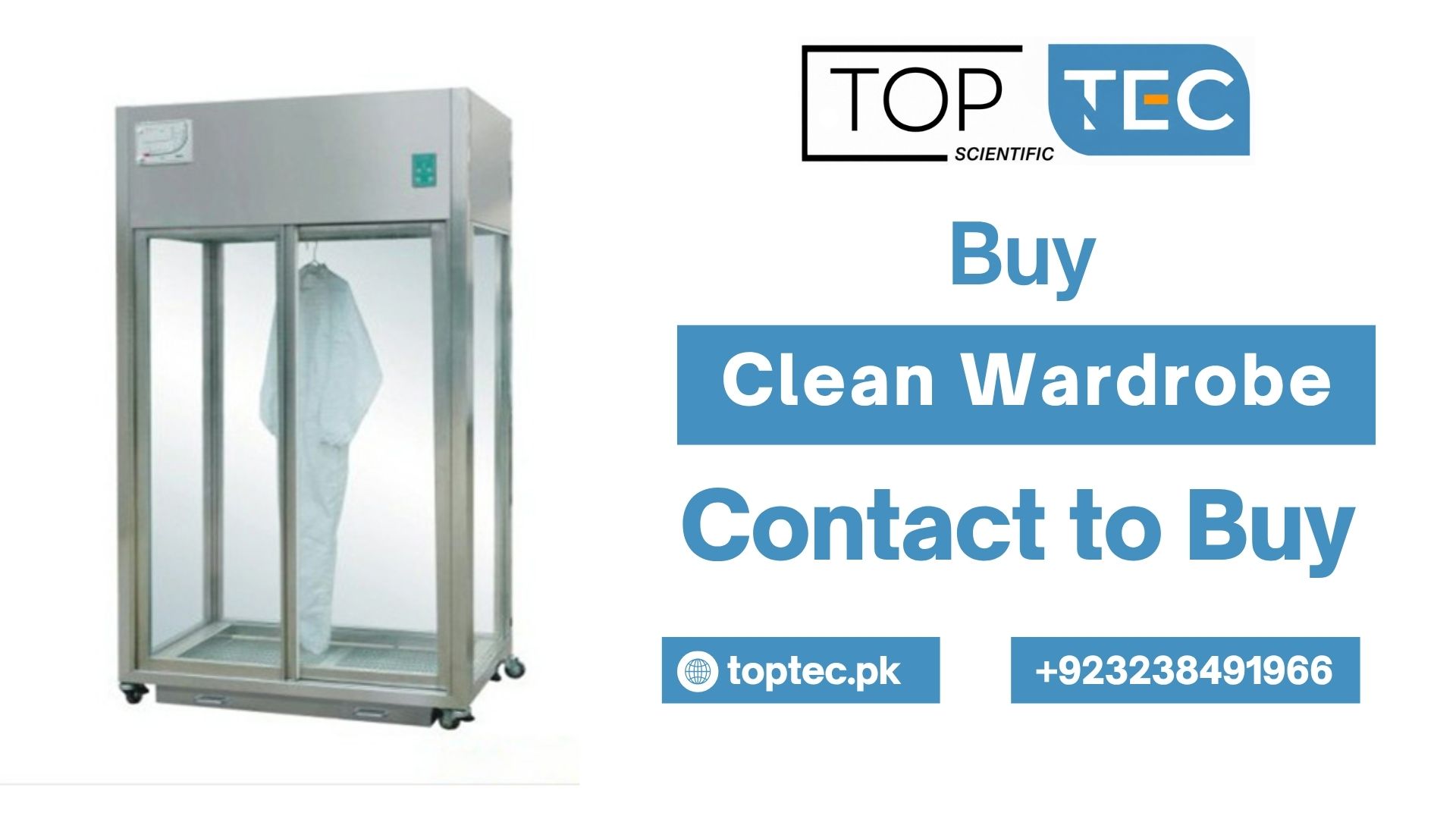
Buy clean wardrobes with HEPA filtration and ISO Class 5 airflow for GMP and ISO 14644-compliant cleanrooms. Featuring SS304 stainless steel, low-noise operation (≤60 dB), and capacities for 25-50 garments. Request a free quote from verified manufacturers today.
Working in a cleanroom teaches you one thing pretty quickly — contamination doesn’t announce itself. It sneaks in through the smallest gaps, the most overlooked surfaces, and yes, through improperly stored garments hanging in a regular metal locker outside your gowning area.
I’ve spoken with facility managers who spent hundreds of thousands setting up ISO-certified cleanrooms, only to realize their gowning apparel was sitting in a standard cabinet collecting particles between shifts. That’s the kind of oversight that shows up during audits — and not in a good way.
So let’s talk about something that deserves more attention than it usually gets: the clean wardrobe. Specifically, why you should buy clean wardrobe cabinets that are HEPA filtered, built from proper stainless steel, and designed specifically for controlled environments. And along the way, I want to introduce you to TOPTEC Scientific — a Pakistani manufacturer that’s actually making these products locally, which matters more than you might think.
So What Exactly Is a Clean Wardrobe?
A clean wardrobe isn’t just a fancy storage cabinet. It’s an actively filtered enclosure designed to keep cleanroom garments — gowns, coveralls, hoods, gloves, shoe covers — in a contamination-controlled environment when they’re not being worn.
The way it works is pretty straightforward: a built-in HEPA filtration system continuously pushes filtered air through the interior of the cabinet, maintaining positive pressure and preventing external particles from settling on stored garments. Some units also include UV sterilization for an extra layer of protection.
Why does this matter? Because your cleanroom is only as clean as everything entering it — including the clothes your operators wear. If those garments are stored carelessly between shifts, they pick up particles. Then those particles walk right into your controlled environment. The whole contamination control chain breaks down at that point.
When you buy clean wardrobe solutions properly designed for this purpose, you’re essentially giving your gowning apparel its own mini cleanroom to live in. For ISO Class 5, 6, or 7 environments, this isn’t a luxury — it’s part of maintaining the integrity of the whole operation.
Why Stainless Steel? And Why SS304 Specifically?
Here’s something worth understanding before you start shopping around. Not every stainless steel cabinet qualifies as a stainless steel clean wardrobe. The material grade, surface finish, and construction method all matter considerably.
SS304 is the grade most commonly used in cleanroom furniture — and for good reason. It’s non-porous, which means it doesn’t absorb moisture or harbor bacteria. You can wipe it down with IPA or aggressive disinfectants daily without the surface breaking down. It doesn’t chip, doesn’t rust under normal cleanroom conditions, and doesn’t generate particles the way painted or powder-coated surfaces eventually do.
An SS304 clean wardrobe with a brushed or electropolished finish has minimal particle shedding — which is the whole point. You don’t want your storage cabinet becoming a contamination source itself.
Compare that to a powder-coated steel cabinet. Looks fine at first. Six months of cleaning agents and humidity cycles later? You’re looking at micro-cracks, paint chips, and eventually rust spots. In a cleanroom, that’s unacceptable.
SS316 is an option if your facility deals with chloride-rich environments or particularly aggressive chemicals, but for the vast majority of pharmaceutical, semiconductor, and biotech applications, SS304 clean wardrobe construction is exactly what you need.
HEPA Filtration — What You’re Actually Getting
HEPA stands for High Efficiency Particulate Air. An H14-rated HEPA filter captures 99.995% of airborne particles at 0.3 microns — the most penetrating particle size. That’s the standard you want in a clean wardrobe for serious cleanroom applications.
Inside a properly designed unit, a fan draws cleanroom air through the HEPA filter and circulates it through the cabinet interior at a controlled velocity — typically between 0.3 and 0.5 meters per second. This creates a steady, gentle purge that keeps particle levels inside the cabinet consistently low.
Some things to watch for when evaluating units:
- BLDC motors (Brushless DC) are quieter, more energy efficient, and last significantly longer than standard AC motors. Worth asking about.
- Internal airflow uniformity matters. If the airflow is concentrated in one spot, garments in corners of the cabinet don’t get the same protection.
- UV sterilization is an optional add-on some facilities include, particularly in pharmaceutical or hospital settings.
When you buy clean wardrobe units, always ask for the filter rating documentation and airflow test data. Any reputable manufacturer should be able to provide this.
TOPTEC Scientific: Built in Pakistan, Built for Real Cleanrooms
Now let me tell you about TOPTEC Scientific, because this is the part that’s actually relevant if you’re based in Pakistan and looking to equip a cleanroom facility.
TOPTEC is a Pakistani company that manufactures laboratory and cleanroom furniture — and I want to emphasize that word “manufactures.” These aren’t imported products being rebranded and resold. TOPTEC actually builds this equipment locally, which changes the economics of procurement quite dramatically.
The Local Manufacturing Advantage
When you buy laboratory furniture from an international supplier, you’re dealing with a whole chain of complications. Import duties. Shipping costs that have been unpredictable for years now. Lead times that can stretch to four months. Currency risk if you’re paying in USD or EUR. And when something needs servicing? You’re either waiting for a part to arrive from overseas or figuring out a workaround.
TOPTEC sidesteps all of that. Because they manufacture in Pakistan, lead times are shorter, pricing doesn’t fluctuate with exchange rates the same way, and — critically — when you need support, there’s an actual local team available.
For facilities equipping multiple cleanrooms or setting up new pharmaceutical production lines, the cost difference between local and imported units can be 40 to 60 percent. That’s not a small number when you’re buying several cabinets along with fume hoods, laminar flow units, lab benches, and other furniture.
Customization That Actually Works
One thing that comes up repeatedly in conversations with facility managers is the frustration of catalog-only purchasing from international brands. You need something 200mm wider to fit your gowning area, or you need four compartments instead of three, or you need a specific door mechanism — and suddenly you’re either compromising on design or paying a premium for “special orders” that take even longer.
TOPTEC works differently. Their team handles custom dimensions, compartment configurations, door types (hinged or sliding), and other specifications as part of their normal manufacturing process. It’s not an exception — it’s just how they work.
Quality That Holds Up to Scrutiny
I understand the skepticism. Local manufacturing doesn’t always mean the same thing as international standards. But TOPTEC’s production follows guidelines aligned with GMP requirements and ISO cleanroom furniture specifications. Their SS304 clean wardrobe units are welded (not bolted) at corners, have coved internal joints for cleanability, sealed seams throughout, and are built to withstand the cleaning protocols that cleanroom environments demand.
If you’re the kind of facility manager who’s going to get audited — and in pharmaceutical or medical device manufacturing, you will — TOPTEC’s documentation and build quality will hold up.
Who Actually Needs to Buy Clean Wardrobe Cabinets?
Let me be honest here — not every operation needs a HEPA-filtered stainless steel wardrobe. But if you’re in any of the following areas, it’s not really optional:
Pharmaceutical Manufacturing
GMP guidelines are clear about controlled storage of cleanroom garments. During an FDA or WHO GMP audit, your garment storage practices are examined. An SS304 clean wardrobe with HEPA filtration demonstrates documented contamination control — which is exactly what auditors want to see.
Semiconductor and Electronics
Particle contamination on wafers or circuit boards causes defects that are expensive and sometimes impossible to trace back to source. Cleanroom operators who store their suits improperly between shifts introduce contamination that could have been avoided entirely.
Medical Device Manufacturing
Both FDA 21 CFR Part 820 and EU MDR requirements for sterile medical device facilities expect contamination control measures at every stage — including garment storage. It’s part of the quality system.
Biotech and Research Labs
This one surprises some people, but even in research settings, improperly stored lab coats or gowns can introduce cross-contamination that affects experimental results. If your research integrity matters — and it should — then how you store your garments matters too.
Hospital Sterile Processing and OR Suites
Healthcare facilities with laminar flow operating rooms or sterile processing departments benefit from contamination-controlled garment storage in ways that directly affect patient safety outcomes.
What to Actually Check Before You Buy
Here’s a practical checklist — the kind of things worth verifying before committing to a purchase:
Filter Rating — Ask specifically for H14. Some suppliers quote “HEPA” without specifying grade, which could mean H10 or H11. That’s a significant difference in filtration efficiency.
Construction Method — Welded corners are non-negotiable for cleanroom applications. Bolted assemblies create joints where particles accumulate and cleaning is impossible.
Internal Surface Finish — Coved (rounded) internal corners allow complete cleaning. Sharp internal corners trap contamination and can’t be properly wiped down.
Door Seal Quality — Whether hinged or sliding, the door seal needs to maintain the internal positive pressure environment. Magnetic seals or compression gaskets are what to look for.
Motor Type — BLDC motors for quieter operation and longer service life. Ask specifically.
Airflow Velocity — Should be documented, typically 0.3–0.5 m/s internally. Ask for the test data.
Filter Replacement Access — How easy is it to change the filter? This affects ongoing maintenance costs and compliance with filter change schedules.
When you buy clean wardrobe units from TOPTEC, their team walks through all of this during the consultation process. But regardless of who you buy from, these are the questions worth asking.
Some Questions People Usually Have
How often do the HEPA filters need replacing?
In most cleanroom environments, somewhere between 12 and 24 months depending on usage and ambient particle levels. TOPTEC supplies replacement filters locally, which is a genuine operational convenience compared to sourcing them internationally.
Can I install a clean wardrobe in the gowning ante-room rather than inside the cleanroom?
Yes, and this is actually common practice. The cabinet maintains its internal cleanliness regardless of where it’s located. Many facilities place them in the transition zone between general areas and the cleanroom itself.
Is SS304 genuinely sufficient, or should I push for SS316?
For pharmaceutical, semiconductor, and general biotech cleanrooms, an SS304 clean wardrobe is more than adequate. SS316 is specifically useful in environments with heavy chloride exposure or particularly aggressive chemical cleaning agents — a narrower set of applications.
Can TOPTEC accommodate non-standard sizes?
Yes. Custom dimensions are handled as part of their standard manufacturing process. Bring your space constraints and garment load requirements to the initial consultation.
The Honest Cost Conversation
Nobody really wants to talk about money openly, but it’s worth addressing directly.
Importing a stainless steel clean wardrobe from a European or American brand typically costs somewhere between $3,000 and $8,000+ per unit — before you factor in shipping, duties, and whatever customs delays happen to be occurring that month. Lead times of 12 to 16 weeks are normal. Spare parts availability is uncertain.
TOPTEC’s local manufacturing eliminates much of that overhead. You’re not paying international freight. You’re not dealing with import duty stacking. You’re not exposed to the same currency risk. For a single unit, the savings are meaningful. For a full cleanroom fit-out where you’re also looking to buy laboratory furniture — fume hoods, laminar flow cabinets, benches, safety storage — the aggregate difference becomes very significant.
There’s also the less quantifiable benefit of having a supplier who’s reachable, whose service team can actually show up, and whose replacement parts don’t have a six-week shipping window attached to them.
How the Process Works with TOPTEC
If you’re ready to buy clean wardrobe units or explore their broader range of cleanroom and laboratory furniture, the process with TOPTEC is reasonably straightforward:
Step one is a consultation where you share your cleanroom classification, the number of users, what types of garments need storage, and any space constraints. This shapes the technical recommendation.
Step two is a technical proposal — specifications, drawings if needed, material documentation.
Step three is pricing and lead time confirmation. No surprises on shipping costs or duties.
Step four is manufacturing, delivery, and installation — handled by TOPTEC’s own team, including filter integrity testing after installation.
Step five is ongoing support — filter replacement schedules, motor servicing, technical assistance when you need it.
Wrapping Up
Here’s the honest summary: garment storage is one of those contamination control elements that gets underestimated until it causes a problem. By then, you’ve either failed an audit, traced a contamination event back to your gowning area, or both.
A properly built stainless steel clean wardrobe with HEPA filtration closes that gap. It’s not a complicated piece of equipment, but it needs to be the right piece of equipment — right material grade, right filtration standard, right construction quality.
TOPTEC Scientific gives Pakistani facilities a real option to buy laboratory furniture — including their SS304 clean wardrobe range — without the cost and logistical complexity that comes with international procurement. The products are built for actual cleanroom conditions, manufactured locally, and supported by a team that’s genuinely accessible.
If you’re setting up or upgrading a cleanroom, pharmaceutical production facility, or sterile research laboratory, get this part right from the beginning. When you buy clean wardrobe solutions that are properly specified and properly built, you’re protecting everything else you’ve invested in your controlled environment.
That’s worth taking seriously.
