

Do you need to buy Deep Pleated Hepa Filter? You are on right place. I’ve been around cleanroom environments for years now, and honestly? Most people have absolutely no clue what they’re doing when they’re buying filters. I’ve watched companies waste thousands on equipment that doesn’t actually fit their needs. So I figured I’d just write down what I’ve actually learned from dealing with this stuff.
The Problem Nobody Wants to Talk About
So here’s the thing – contamination in a pharmaceutical batch isn’t like spilling coffee. It’s catastrophic. We’re talking complete product loss, regulatory issues, potentially damaging your company’s reputation. I watched a facility lose an entire month’s production once because their air handling system wasn’t properly maintained.
This is exactly why when you buy Deep Pleated Hepa Filter products, you can’t just grab whatever’s cheapest and call it a day.
Why HEPA Actually Matters
HEPA filters catch 99.97% of particles at 0.3 micrometers. Yeah, that’s incredibly small. Like, you literally cannot see those particles. Your regular household air filter? Might catch the dust bunnies, but it’s useless for pharmaceutical work.
I remember asking a facility manager once why they chose their specific filter. He just shrugged and said “the vendor recommended it.” That’s… not a great decision-making process.
The Pleats Are Actually Genius
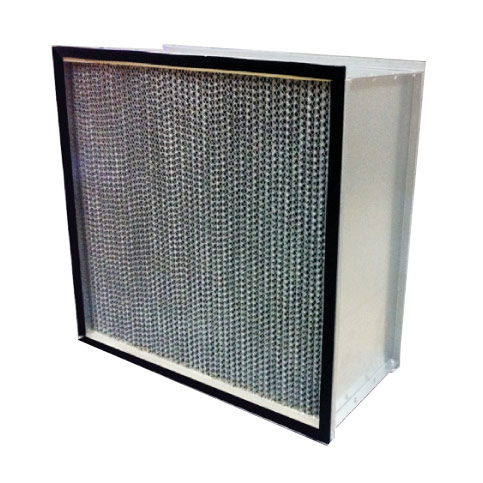
The pleated design isn’t some marketing gimmick. Those pleats give you way more surface area, which means air can move through better and the filter lasts longer. It’s kind of elegant, honestly.
When you buy Deep Pleated Hepa Filter units instead of flat filters, you’re getting equipment that just performs better. Simple as that.
What Cleanrooms Actually Need
I’ve worked in medical device manufacturing, pharmaceutical plants, and biotech facilities. They all have different requirements, but they all take air quality seriously. ISO 14644 basically says “you need proper filtration” and everyone nods along.
The thing is, most people don’t really understand what that means practically. It’s not just about throwing expensive equipment at the problem.
Understanding the Grades (Without Getting Too Technical)
There are different HEPA grades. H13, H14, ULPA – the numbers and letters mean the filter gets progressively more aggressive. For pharmaceutical stuff, you’re usually looking at H13 or H14. That’s the standard.
ULPA is overkill unless you’re doing something crazy specialized. I’ve seen facilities buy ULPA filters when they didn’t actually need them, then complained about cost and unnecessary airflow resistance.
The Pleated Design Actually Solves a Problem
Here’s something I learned the hard way: standard flat HEPA filters create too much pressure drop. Your air handling system has to work harder, energy costs go up, and the filter gets clogged faster.
Deep pleated filters spread that load out. More surface area means less resistance. When you buy Deep Pleated Hepa Filter equipment, you’re literally solving that problem.
TOPTEC Actually Gets It
I’ve dealt with a lot of equipment suppliers, and honestly, most of them are just trying to move product. TOPTEC PVT. LTD is different. They’re based in Pakistan and they manufacture this stuff, so they actually understand cleanroom requirements from real experience.
When you talk to them about what you need, they don’t just push you toward their most expensive option. They actually want to understand your facility.
Why Your Filter Choice Matters More Than You Think
I’m going to be blunt: if your filter isn’t right for your operation, everything suffers. Contamination rates go up, product batches fail, your facility can’t maintain ISO compliance.
So when you buy Deep Pleated Hepa Filter systems, you’re not just buying a component. You’re buying operational reliability.
Real Talk About Sizing
Here’s where things get tricky. You can’t just guess on filter size. Your air handling system needs specific airflow, and the filter has to be designed for that without creating too much back-pressure.
I watched a facility install oversized filters once because someone thought “bigger is better.” Nope. Created weird airflow patterns that actually made contamination control worse.
TOPTEC can help you get the sizing right because they’ve done this before.
The Deep Pleated Advantage (Because It Actually Matters)
Okay, so why keep going back to deep pleated? Because:
- They last longer between replacements
- Airflow stays consistent
- Maintenance costs drop
- System efficiency improves
- You’re not constantly dealing with filter changes
That’s honestly it. It’s not complicated. It’s just better engineering.
When You Buy Deep Pleated Hepa Filter Products
Make sure you’re actually getting what you think you’re getting. Check the efficiency ratings at different particle sizes, not just the headline number. Check the pressure drop specs. Ask about service life in actual operating hours.
Manufacturers sometimes fudge these numbers or present them in confusing ways. Don’t fall for it.
Pressure Drop Gets Worse Over Time
This is something that catches people off guard. As a filter accumulates particles, the pressure drop increases. At some point, the filter becomes too restrictive and you need to replace it.
Deep pleated filters manage this better because they’ve got more surface area distributing the load. But you still need to monitor it.
ISO Classifications Are Actually Important
Different pharmaceutical areas need different cleanliness levels. Manufacturing areas need ISO 5 or better. Testing labs might be ISO 7 or 8. Warehouses might be ISO 8 or 9.
You can’t use the same filter strategy everywhere in your facility. You need to know your specific requirements.
Getting the Right Filter for the Right Application
This is where talking to someone like TOPTEC PVT. LTD makes sense. They understand that your manufacturing area has completely different requirements than your lab, which is different from your storage areas.
When you buy Deep Pleated Hepa Filter components, think about what each area actually needs.
Filter Material Actually Matters
The filter media – that’s the actual material doing the capturing – comes in different types. Glass fiber is standard and reliable. Some specialized applications use synthetic materials. The density affects how efficient and how much airflow resistance you get.
This isn’t something to ignore. It directly impacts performance.
Stop Focusing on Price Per Filter
People get obsessed with how much a single filter costs. That’s backwards thinking. What matters is cost per operating hour, including how long it lasts, how often you replace it, and how much energy your system uses.
A slightly more expensive filter that lasts longer and flows better might actually cost half as much to operate.
Why TOPTEC’s Pricing Makes Sense
Pakistani manufacturers often have manufacturing advantages that let them offer better value. That’s not the same as cheap – it’s just smart production efficiency combined with quality.
When you buy Deep Pleated Hepa Filter systems from TOPTEC PVT. LTD, you’re getting quality at reasonable prices. That’s actually worth something.
Installation Can Ruin Everything
Here’s a frustrating truth: a perfect filter in a badly installed system is basically worthless. If air bypasses the filter around the edges, you’ve defeated the entire purpose.
I’ve seen this happen. Facility bought expensive filters, skipped proper installation procedures, and then couldn’t understand why contamination was still an issue. The problem was never the filter.
Getting Installation Right
This is another reason to work with suppliers who understand your facility. They can advise on proper sealing, installation procedures, and validation that actually confirms the system’s working.
When you buy Deep Pleated Hepa Filter equipment from experienced suppliers, they usually help you avoid these mistakes.
You Need to Monitor Your Filters
Set up some kind of monitoring system. Differential pressure gauges work – they tell you when pressure drop’s getting excessive. Some facilities just follow replacement schedules, but monitoring actual performance is smarter.
Replace filters when they genuinely need it, not just because a calendar says so.
Pharmaceutical Facilities Need Documentation
Here’s something regulatory people care about: documentation. Filter specifications, installation dates, replacement dates, performance records. You need all of it.
Make sure your supplier provides proper documentation. TOPTEC understands this because they’ve worked with regulated facilities.
When You Buy Deep Pleated Hepa Filter Units for Pharma
The documentation package should be comprehensive. If your supplier can’t provide detailed specs and installation guidelines, find someone else.
Different Areas Need Different Filters
Your facility’s not monolithic. Manufacturing areas need different filtration than testing areas. Storage’s different still.
Develop a facility-wide contamination control strategy. Don’t just buy filters randomly.
TOPTEC Helps With Overall Strategy
Rather than just ordering individual components, talk about your overall approach. TOPTEC can help you think through what each area of your facility actually needs.
Temperature and Humidity Affect Performance
Environmental conditions matter more than people realize. Some filter materials are sensitive to humidity or temperature changes. Not usually a huge problem in climate-controlled pharmaceutical environments, but you should know about it.
Disposal Isn’t Just Throwing Filters Away
Used HEPA filters have captured contaminants inside them. You can’t just toss them in the trash. Incineration or specialized disposal services are the normal approaches.
Make sure you know how you’re handling this. It’s a cost factor and a compliance issue.
Find Suppliers Who Actually Support You
When problems come up – and they do – you need supplier support that’s helpful. This is where working with someone like TOPTEC PVT. LTD actually pays off.
They understand the industry and can usually diagnose problems quickly.
Support Matters More Than People Think
When you buy Deep Pleated Hepa Filter systems, choose suppliers who stick around to help if something goes wrong. That’s worth real money.
Don’t Just Compare Headlines
When you’re looking at different options, dig into the actual technical specs. Efficiency at what particle size? Pressure drop at what airflow? How many operating hours is the service life?
Different manufacturers specify things differently. You need to compare actual apples to apples.
Clear Specs Are Actually Refreshing
One thing I appreciate about manufacturers like TOPTEC PVT. LTD is they usually just give you straightforward specs without excessive marketing fluff. It makes comparison easier.
Think About Growing Your Facility
If you’re expanding down the line, can your supplier scale with you? This matters more than people realize.
When you buy Deep Pleated Hepa Filter equipment, ask whether they can supply larger units later or if they have modular options.
Modular Systems Let You Grow
You don’t want to completely redesign your air handling system when you expand. Modular filters let you add capacity without that nightmare.
TOPTEC’s product range usually includes options for expansion, which is genuinely useful.
You Need to Test After Installation
DOP testing (dioctyl phthalate) is the standard way to verify HEPA filter integrity. It finds leaks and bypasses. You should do this after installation and periodically after.
It’s not optional in pharmaceutical facilities. It’s basic compliance.
Leak Testing Confirms Everything Works
Regular testing proves your filters are performing as designed. Regulatory inspectors want to see this documentation.
When You Buy Deep Pleated Hepa Filter Equipment
Budget for ongoing testing and validation. It’s not a one-time cost, but it’s absolutely necessary.
Basic Maintenance Actually Extends Life
Check your pressure drop regularly. Inspect for damage. Keep housings clean. Check that nothing’s blocking airflow.
These simple things extend filter life noticeably.
Have a Documented Maintenance Schedule
Write down what you’re doing and when. Include monitoring frequency, replacement triggers, and who’s responsible.
This documentation matters for compliance and consistency.
Train Your Team
Your staff needs to understand why this matters, how to monitor performance, and when to request filter replacement. Basic training prevents costly mistakes.
Supplier Relationships Actually Matter
Rather than treating suppliers as transactional, develop real partnerships. Work with people who understand your business.
When you buy Deep Pleated Hepa Filter systems from TOPTEC PVT. LTD, you’re building a relationship that goes beyond just equipment.
Good Suppliers Provide More Than Just Products
They offer technical support, notification of improvements, priority access during shortages, and usually better pricing as volume grows.
These things add up to real value over time.
Here’s How to Actually Choose Filters
Step back and think about this logically:
First, know your ISO classification requirements. Know your airflow needs. Then research suppliers who actually understand pharmaceutical standards.
When you buy Deep Pleated Hepa Filter systems, compare actual technical specs, not just prices. Ask about documentation, installation support, and replacement availability.
Make sure the warranty’s clear on what’s covered.
Why TOPTEC’s Worth Considering
Look, TOPTEC PVT. LTD is a Pakistani manufacturer that actually understands cleanroom requirements. They’re solving real problems, not just moving equipment.
When you talk to them about what you need, they actually listen.
Getting in Touch
Contact them directly and explain what you’re trying to accomplish. They’ll help you figure out exactly what you actually need rather than pushing you toward whatever’s most profitable for them.
Making Your Decision
Proper HEPA filtration is genuinely essential for pharmaceutical operations. You really can’t cut corners here without consequences.
When you buy Deep Pleated Hepa Filter equipment from someone like TOPTEC PVT. LTD, you’re investing in reliability and compliance.
Bottom Line
Your cleanroom’s success depends on solid contamination control, and HEPA filtration is foundation-level important. Take the time to choose equipment that actually works for your needs.
TOPTEC manufactures laboratory equipment and filtration systems in Pakistan. They get what cleanrooms actually require.
So when you’re ready to buy Deep Pleated Hepa Filter products, reach out to them. Working with manufacturers who understand your industry genuinely makes a difference in how well everything works.
