

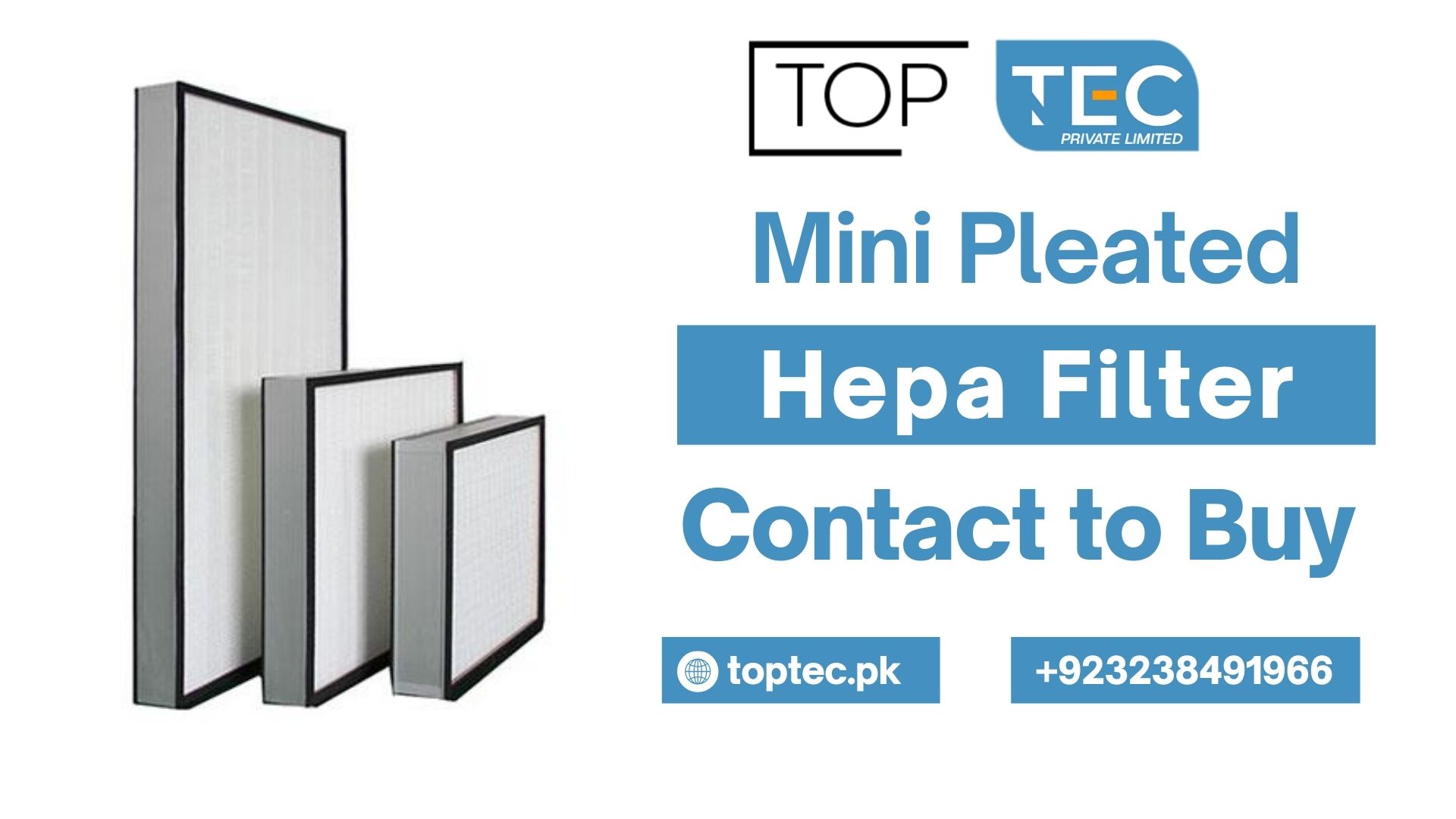
So I got talking to someone at a lab equipment supplier the other day, and they mentioned these mini pleated HEPA filters and honestly? Most people have no idea what they actually are or why they’d need one. I figured I should probably write something because I’ve noticed a lot of confusion about them.
The Thing About Mini Filters Nobody Explains Well
Here’s the problem. When people think HEPA filters, they picture those huge things you mount in air handling systems. Those are fine for what they do. But there’s this whole category of smaller filters that work in completely different ways, and they solve real problems that big filters just can’t handle.
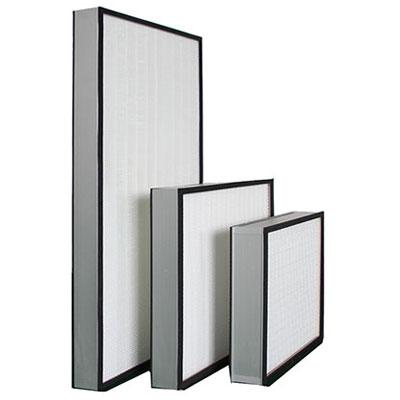
Mini pleated HEPA filters are exactly what they sound like – smaller versions with that pleated design we talked about before. The catch is, they’re designed for different applications entirely. You’re not mounting these in your facility’s main air system. You’re using them in specific equipment.
Why Size Actually Matters Here
A mini filter might be something like 6 inches by 6 inches, or 12 inches by 12 inches depending on what you’re doing. Way smaller than your industrial HEPA filters. This isn’t just about being cute and compact – it fundamentally changes what problems you can solve.
I remember a lab manager telling me they had dust control issues in their biological safety cabinet. Their first instinct was to upgrade the main facility filtration. Turned out they just needed a good mini filter replacement. Problem solved at a fraction of the cost.
When you buy Mini Pleated HEPA Filter units for specific equipment, you’re targeting contamination exactly where it matters.
The Pleated Design Does the Same Thing, Just Smaller
The pleats work the same way – they give you more surface area in a smaller footprint. This means better airflow, longer service life, and less frequent replacements. All the benefits of pleated design, but in a package that fits in compact spaces.
Honestly, once you understand that pleated design principle, understanding mini filters becomes pretty straightforward.
Understanding H13 and H14 Grades
Okay, so H13 and H14 are efficiency ratings. H13 catches 99.95% of particles at 0.3 micrometers. H14 gets up to 99.995%. That might seem like a tiny difference, but in contamination-sensitive work, it matters.
H13 is the standard for most laboratory and cleanroom applications. It handles pharmaceutical work, biotech, medical device manufacturing – all the serious stuff. H14 is for when you need even more aggressive filtration.
Most people should be thinking H13. If you’re considering H14, you probably already know why you need it.
When you buy Mini Pleated HEPA Filter products, you’re usually choosing between these two grades. Pick H13 unless you have a specific reason for H14.
Where Mini Filters Actually Get Used
This is where it gets interesting. Mini filters don’t replace your main facility filtration. They work in:
- Biological safety cabinets
- Laminar flow hoods
- Fume hoods
- Portable air purifiers for labs
- Specific equipment enclosures
- Glove boxes for handling sensitive materials
- Air sampling equipment
I’ve seen mini filters used in all of these. The thing is, they’re essential for the equipment they’re in. Without proper filtration in a biosafety cabinet, for example, you’re basically not getting the protection you think you are.
The Design Actually Solves Real Problems
Let’s think about a biological safety cabinet for a second. It’s enclosed. It has limited space. You need air to flow properly so contamination doesn’t escape but people working inside aren’t suffocating. A mini filter designed specifically for that application is the answer.
This is why you can’t just retrofit a standard filter and expect it to work. The equipment designers thought about this, and mini filters are built to fit and function correctly in those spaces.
TOPTEC Gets Mini Filters
When you buy Mini Pleated HEPA Filter units from TOPTEC PVT. LTD, you’re working with a manufacturer who understands laboratory equipment. They’re not just making filters – they’re making them for specific applications.
TOPTEC manufactures laboratory furniture and equipment in Pakistan, which means they understand what labs actually need. It’s not some generic filter company making a one-size-fits-all product.
The Pleated Design in Mini Format
The pleats pack more efficiently when you’re working with a smaller surface area. The engineering’s different than big industrial filters, but the principle’s the same – maximize surface area to minimize airflow resistance.
I’ve replaced filters in equipment before and honestly? The pleated design just lasts way longer than flat alternatives. People stop thinking about it and then get surprised when they finally need replacement.
H13 Grade is Your Standard Choice
Here’s my honest take: unless you’re doing something really specialized, go with H13. It’s proven, it works, it’s approved for pharmaceutical and biotech work. H14 costs more and doesn’t get you much practical benefit unless you have specific requirements.
When you buy Mini Pleated HEPA Filter equipment for standard laboratory work, H13 is the right call.
Critical Applications Where These Matter
Biological safety work needs solid filtration. Like, seriously – improper filtration in a biosafety cabinet could mean contamination escapes into your lab or the environment. That’s not acceptable. Mini filters designed for biosafety cabinets are absolutely critical.
Pharmaceutical labs, biotech facilities, hospital labs – they all depend on proper filtration in their equipment. When you buy Mini Pleated HEPA Filter products for these applications, you’re not buying optional equipment. You’re buying essential protection.
Why Laminar Flow Hoods Need Proper Filters
A laminar flow hood is supposed to create clean air that flows over your work surface. If the filter’s clogged or inadequate, the whole system stops working. The air’s not clean anymore, your samples might be contaminated, your work’s compromised.
This is why filter replacement schedules exist. When the filter gets too clogged, you have to replace it. Ignoring this leads to problems.
Biological Safety Cabinet Filtration is Non-Negotiable
I’ve talked to people who don’t really grasp why a biosafety cabinet needs specific filtration. Here’s the thing – the cabinet’s purpose is containment. If air’s not being filtered properly, you don’t have containment. You have a box that looks protective but isn’t.
When you buy Mini Pleated HEPA Filter units specifically designed for biosafety cabinets, you’re completing the containment system. Skip this and you’ve wasted money on the cabinet itself.
Fume Hoods Have Different Requirements
Fume hoods pull contaminated air away from the worker and vent it. They need good filtration depending on what you’re working with. Some applications need straight HEPA, some need activated carbon along with HEPA, some need specialized media.
The filter choice depends on your specific application. This is where talking to someone like TOPTEC makes sense – they can help you figure out what you actually need.
The Testing Requirements
HEPA filters get tested at the factory for integrity. But you should be testing installed filters too, especially in critical applications. DOP testing, PAO testing – these verify the filter’s actually working.
Documentation of these tests matters for compliance. If you’re doing regulated work in a pharmaceutical or biotech environment, you need proof that your filtration’s verified working.
Compliance Issues Are Real
Different countries and industries have different standards. USP, EP, FDA – they all have requirements about air quality and filtration in certain applications. You need to know what applies to you.
When you buy Mini Pleated HEPA Filter products, make sure they meet the standards relevant to your work. Don’t guess about this.
Replacement Schedules Actually Matter
You can’t just leave a filter in until it stops working. There’s usually a documented schedule based on hours of operation or months in use. Follow it. When the time comes, replace the filter promptly.
I’ve seen people ignore this and then deal with filtration failure at a critical moment. Not ideal.
Service Life Varies
H13 and H14 filters have similar but not identical service lives. The specifications should tell you expected hours of operation. H14 might have a slightly shorter life because the media’s denser, but we’re talking similar timeframes.
Check the documentation for your specific filter. Don’t assume anything.
Cost Considerations
When you buy Mini Pleated HEPA Filter units, you’re not looking at huge prices. These are typically way less expensive than the equipment they go in. It’s a relatively cheap consumable part.
This is why people sometimes get annoyed when they have to replace them – it feels like an unexpected cost. But it’s genuinely minimal compared to the equipment investment.
Portable Air Purifiers Use Mini Filters Too
You see these in labs sometimes – standalone units that clean the air in a specific area. They use mini filters because that’s what works for the size and airflow requirements.
These can be useful in certain situations, though they’re not a replacement for proper facility-wide filtration.
Air Sampling Equipment Needs Them
When labs do environmental monitoring – checking air quality in cleanrooms or controlled environments – the sampling equipment uses mini filters. These collect particles for analysis.
It’s a small component but essential for getting accurate environmental monitoring data.
TOPTEC’s Laboratory Equipment Line
TOPTEC manufactures all sorts of laboratory furniture and equipment in Pakistan. When you buy Mini Pleated HEPA Filter products from them, you’re getting components from a company that understands complete lab setups.
They’re not just selling filters – they’re supporting the facilities that use them.
Quality From Pakistani Manufacturing
Pakistan’s got serious manufacturing capabilities for precision equipment. TOPTEC’s part of that. They produce quality filtration products at competitive prices because of manufacturing efficiency, not by cutting corners.
This is something I’ve learned talking to labs that source equipment from there – quality’s solid and pricing’s reasonable.
Getting the Right Filter for Your Equipment
Here’s where it gets specific. You can’t just buy a random mini filter and expect it to work in your biosafety cabinet. It has to be designed for that specific model and application.
Check your equipment documentation. Usually it specifies what filter you need. When you buy Mini Pleated HEPA Filter replacements, match the exact specifications.
Installation Matters Even for Small Filters
Even though these are small, you still need to install them correctly. Improper seating means air bypasses the filter. Gaps around edges mean unfiltered air gets through. The whole purpose is defeated.
Most equipment has pretty clear installation instructions. Follow them carefully.
You Need to Know When They’re Due
Set reminders. Track operating hours. Whatever system works for you, make sure replacements happen on schedule. Equipment manuals usually specify replacement frequency.
Missing a filter replacement schedule is how you end up with contamination problems you didn’t expect.
Documentation is Actually Important
When you buy Mini Pleated HEPA Filter units and install them, keep records. Installation date, filter lot number, replacement date. This documentation matters for compliance and troubleshooting.
If you ever have contamination issues, the first place to look is filter history. Good records help you solve problems.
Why TOPTEC Supports This Process
Working with TOPTEC PVT. LTD means you’ve got access to a company that manufactures laboratory equipment. They understand documentation requirements because they work with regulated facilities.
When you have questions about filters, installation, specifications – you’re talking to people who actually know labs.
H13 Filters Work for Most Labs
Seriously, unless you’re doing something really specialized, H13 is your answer. It’s been used successfully in laboratories worldwide. It meets regulatory requirements. It works.
When you buy Mini Pleated HEPA Filter products for standard laboratory applications, go with H13.
H14 Is Specialized
H14 exists for specific applications where you need that extra level of filtration efficiency. If you’re questioning whether you need it, you probably don’t. Facilities that need H14 know why they need it.
This isn’t about one being better than the other. It’s about matching the right grade to your application.
Storage and Handling Before Installation
Mini filters come in protective packaging. Keep them protected until installation. Don’t open them early. Don’t store them in dusty areas. Handle them reasonably carefully.
They’re not fragile, but they’re designed to catch particles – so yeah, keep them clean until you put them to work.
Getting Filters When You Need Them
Planning ahead matters. When you buy Mini Pleated HEPA Filter products, don’t wait until the one in your equipment is overdue for replacement. Order new ones before you need them.
This prevents gaps where you’re running equipment without adequate filtration.
Supplier Availability Matters
TOPTEC keeps reasonable stock of common laboratory items. When you work with them on your laboratory furniture and filtration needs, you’re working with a supplier who understands you might need things on actual schedules.
This is more useful than it sounds when you’re trying to keep operations running smoothly.
Price vs. Reliability
Okay, so mini filters aren’t expensive. But that doesn’t mean quality varies wildly. When you buy Mini Pleated HEPA Filter units from a reputable supplier like TOPTEC, you’re getting reliable products at reasonable prices.
Don’t overspend, but don’t cheap out either. Get quality filters from suppliers who understand laboratory work.
The Real Impact of Poor Filtration
Let me be honest about what happens when filtration fails. In a biological safety cabinet, it means contamination might escape. In a pharmaceutical lab, it means batches might be compromised. In research, it means results might be contaminated.
This is why proper filtration matters. This is why you care about getting it right.
Why This Matters for Your Lab
Whether you’re doing pharmaceutical work, biotech research, environmental testing, or hospital laboratory work – proper filtration in your equipment is foundational. You can’t skip it.
When you buy Mini Pleated HEPA Filter products, you’re investing in the integrity of your work.
Making Your Decision
Think about what equipment you have. Think about what filtration it requires. Research suppliers like TOPTEC who manufacture laboratory equipment and understand your needs.
When you buy Mini Pleated HEPA Filter units, choose them based on your equipment specifications and your regulatory requirements, not just price.
Understanding Your Equipment’s Needs
Check your biosafety cabinet manual. Check your laminar flow hood specs. Check whatever equipment you’re working with. It’ll tell you what filter you need.
Then work with suppliers who can reliably provide those filters on your schedule.
TOPTEC’s Role in Your Lab
TOPTEC manufactures laboratory furniture and equipment in Pakistan. They understand what labs need because they’re making the equipment labs use. When you work with them on filtration products, you’re working with people who understand the bigger picture.
When you buy Mini Pleated HEPA Filter products from them, you’re getting components from a company that understands complete laboratory operations.
Building a Reliable Supply Chain
Rather than scrambling to find filters when you need them, develop a relationship with a reliable supplier. TOPTEC can be that supplier for you.
Regular ordering, documented specifications, proven quality – that’s the foundation of a reliable supply chain for laboratory consumables.
Final Thoughts on Mini Filters
Mini pleated HEPA filters aren’t complicated once you understand what they are. They’re essential components in laboratory equipment that handle contamination-sensitive work. They need to be replaced on schedule. They need to meet your specifications.
When you buy Mini Pleated HEPA Filter products for your laboratory, do it thoughtfully. Know what you need. Work with suppliers who understand laboratory equipment. Keep your documentation organized.
That’s honestly it. Proper filtration isn’t mysterious. It’s just doing the right thing consistently.
Connecting With TOPTEC
If you’re looking at laboratory furniture, equipment, or filtration products, TOPTEC PVT. LTD manufactures these in Pakistan. They’ve got what you need and they understand what you’re actually trying to accomplish.
Reach out, talk about your laboratory’s requirements, figure out what makes sense for your situation. When you buy Mini Pleated HEPA Filter products and other laboratory equipment from them, you’re working with a manufacturer that gets it.
