

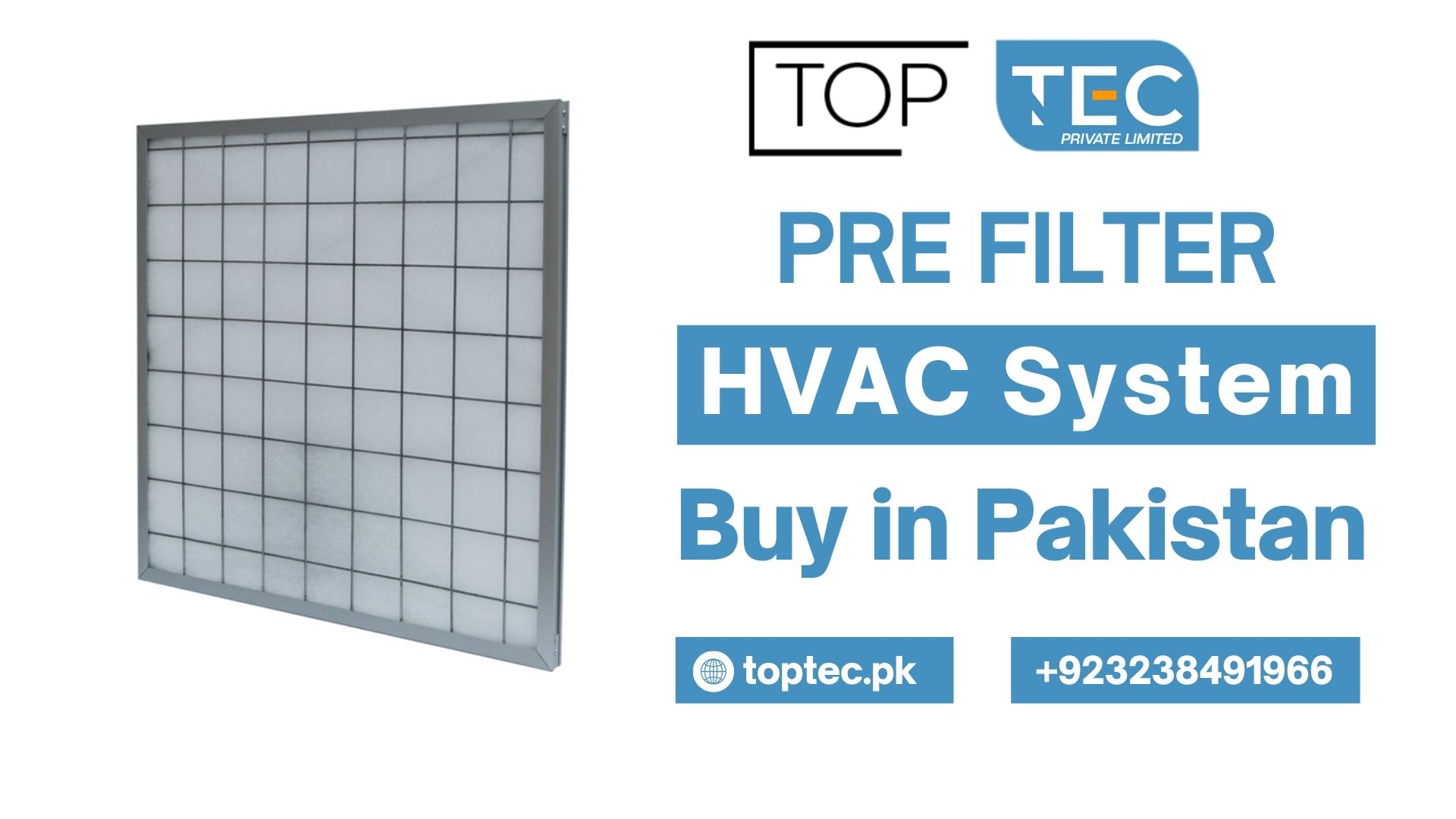
You know what nobody really thinks about until something goes wrong? Their HVAC pre filter. Seriously. People obsess over everything else but the pre filter that’s actually keeping their system from getting destroyed. I’ve seen HVAC systems fail because someone ignored pre filter maintenance for too long. It’s kind of sad because it’s such a simple fix.
What’s Actually Happening in Your HVAC System Right Now
Right now, your HVAC system’s pulling air from outside. That air’s got dust, pollen, debris, particulates – a lot of stuff floating around. All of that’s heading straight for your system. Without a pre filter stopping it, that junk goes directly into your main filter and your equipment.
Think about what that means. Your main filter – the expensive one doing serious work – gets clogged with dust and debris it shouldn’t be handling. Your equipment works harder. Your system fails faster. Your costs go up.
That’s where HVAC pre filters come in. They’re the bouncers at the door, basically.
The Core Benefits of HVAC Pre Filters
I’ll be honest, the benefits are pretty straightforward once you understand what’s happening. But people miss them all the time.
First, you’re extending main filter life dramatically. That expensive MERV 13 filter you paid money for? It’ll last way longer with a pre filter catching the bulk contamination first. We’re talking months longer, not just weeks.
Second, your system works more efficiently. Clean pre filters mean less back pressure. Your HVAC system isn’t fighting to move air through clogged filters. It operates at design specification, not at “struggling against contamination” specification.
Third – and this matters – you’re improving air quality. Pre filters catch visible dust and pollen before it gets into your living space. Is it perfect filtration? No. But it’s better than nothing.
Fourth, you’re saving money. Cheap pre filters get replaced frequently. Expensive main filters get replaced less often. The math favors this approach.
How HVAC Pre Filters Actually Work
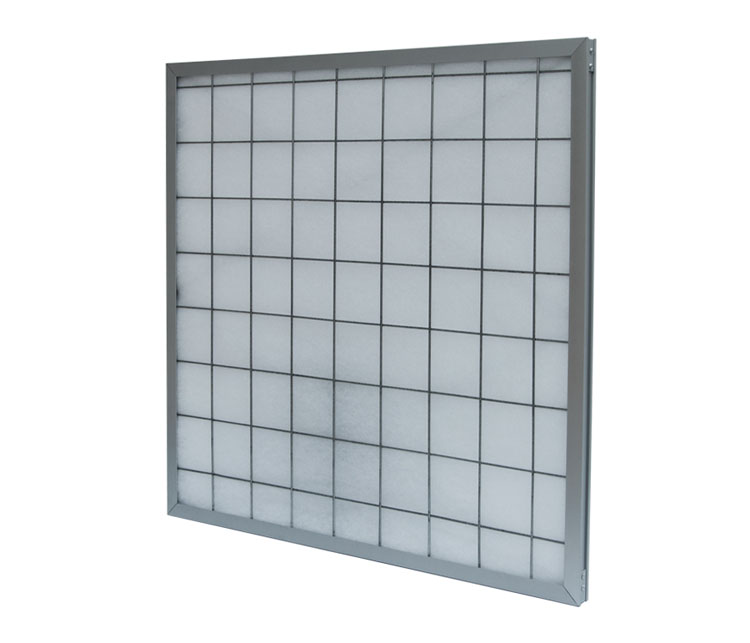
The mechanism is simple. Air moves through a filter media – usually pleated fiberglass or pleated synthetic material. Particles get trapped in the media. Clean air continues to your main filter.
The pre filter’s rated for a specific particle size range – usually 5-10 micrometers and larger. It catches that. Finer particles? Those go to your main filter. That’s the division of labor.
This staged approach is genuinely smart design. Catch 80% of particles cheaply, handle 20% with expensive filters. System works better, costs less overall.
Different HVAC Pre Filter Types
Not all pre filters are the same, which is something I didn’t understand initially. You’ve got options depending on your situation.
Disposable pleated filters – These are standard. You use them until they’re clogged, then toss them. Pleating gives surface area, so they last reasonably long before needing replacement. Most residential HVAC systems use these.
Fiberglass flat filters – Older technology, less efficient, cheaper. They do the job but don’t last as long. You’ll be replacing them more frequently.
Washable/reusable filters – These have been around forever. You use them, wash them, reuse them. Saves money long-term if you actually maintain them properly. Industrial systems often favor these.
Electrostatic filters – These develop a charge that attracts particles. They can be reusable. They work reasonably well, though maybe not as efficiently as mechanical filters.
When you buy Pre Filter products, know which type makes sense for your application. Don’t just grab whatever’s available.
MERV Ratings Explained (Without the BS)
MERV stands for Minimum Efficiency Reporting Value. It’s a rating system that goes from 1-16. Higher numbers mean finer filtration, which sounds good until you realize it also means more resistance to airflow.
For pre filtration, you’re typically looking at MERV 8 or MERV 11. You don’t want anything too fine for pre filters – that defeats the purpose. The whole point is to catch large particles without restricting airflow.
I’ve seen people put high-MERV filters in pre filter slots and wonder why their HVAC system’s struggling. Wrong application. Pre filters should be lower MERV ratings.
Residential HVAC Pre Filters
In residential systems, pre filters usually handle general household dust and outdoor pollen. Standard pleated disposables work fine. You’re replacing them roughly every 3 months depending on conditions.
Key thing: check your system. Does it have space for pre filtration? Some older residential systems weren’t designed for it. You might need to add pre filtration as an upgrade.
When you buy Pre Filter units for residential HVAC, MERV 8 is usually appropriate. Anything higher creates unnecessary resistance.
Commercial HVAC Pre Filters
Commercial buildings move more air and deal with more varied contamination. Pre filters in commercial systems are typically heavier-duty. They might be replaceable or washable. They’re definitely maintained more regularly.
Commercial systems often run continuously, so contamination loads are higher. Pre filters get dirtier faster. You need a replacement schedule that reflects actual conditions, not just manufacturer recommendations.
Industrial HVAC Pre Filters
Industrial facilities – manufacturing, processing, whatever – often have serious air contamination issues. Dust from materials, debris from processes, outdoor contamination. Pre filters in industrial settings are critical.
Sometimes industrial pre filters need to be industrial-grade themselves. That might mean higher efficiency ratings, more frequent changes, or specialist equipment.
Pre Filter Efficiency Matters More Than You Think
A higher efficiency pre filter catches more stuff, which means your main filter stays clean longer. This is the trade-off you’re evaluating.
But efficiency has limits. Super-fine pre filters restrict airflow too much. You need to balance efficiency with system performance.
Bypass Problems are Real
Here’s something most people don’t understand. A clogged pre filter won’t harm anything by itself – it just gets replaced. The actual problem is bypass. If your pre filter isn’t sealed properly, unfiltered air sneaks around it straight to your main filter.
Poor installation causes bypass. Clogged filters don’t seal properly, causing bypass. Wrong filter size causes bypass.
Bypass defeats the entire purpose of having a pre filter. Make sure yours is installed correctly.
Airflow Considerations
Your HVAC system’s designed for specific airflow rates. Filters create resistance that increases as they load with particles. Too much resistance means the system works harder and performs worse.
Pre filters shouldn’t restrict airflow excessively when clean. If you’re feeling reduced airflow shortly after installing a pre filter, something’s wrong. Wrong filter size, wrong installation, or the filter’s already clogged.
Pressure Drop Explained Simply
Pressure drop is the resistance the filter creates to airflow. New, clean filters have minimal pressure drop. As particles accumulate, pressure drop increases. Eventually, the filter needs replacement.
Different filters have different pressure drop characteristics. When you buy Pre Filter products, efficiency ratings should include pressure drop information.
How Often Should You Replace HVAC Pre Filters?
This depends on actual conditions, not just what the box says.
In clean environments with good outdoor air quality, maybe every 4-6 months. In dusty areas or during high pollen seasons, maybe every month or two. In industrial settings, maybe weekly.
The actual answer is: check your filters regularly. If they look dirty, replace them. Don’t just follow a schedule blindly.
I’ve seen people leave filters way too long in dusty conditions, completely blocking airflow. I’ve also seen people replace filters that were still mostly clean. Find your actual replacement cycle through observation.
Warning Signs Your Pre Filter Needs Replacement
Reduced airflow – You notice your air vents aren’t pushing air as hard. The filter’s clogged.
Visible dust – Look at the filter. If it’s visibly covered in dust and debris, it’s done.
Higher energy bills – Your system’s working harder pushing air through a clogged filter. Electric bills go up.
Increased dust in your home – Paradoxically, a clogged pre filter might let particles slip through bypass, increasing indoor dust.
System cycling constantly – The thermostat calls for heating/cooling more often because airflow’s restricted.
Proper Installation Matters More Than People Realize
Installing a pre filter wrong makes it basically useless.
Orientation – The filter media has a direction it’s supposed to face. The cardboard frame usually has arrows. Follow them.
Sealing – The filter frame needs to seal completely against your housing. Gaps = bypass. Make sure it fits snugly.
Size – Wrong size filter leaves gaps. Measure your current filter or your filter housing. Get the right size.
Location – Pre filters go before your main filter in the airflow path. Don’t install them backward or in the wrong location.
When you buy Pre Filter products, verify the size and type for your specific HVAC equipment.
Storage and Handling Considerations
Pre filters aren’t delicate, but handling matters. Don’t squeeze them unnecessarily – that can damage the media. Store them in a clean, dry place. Don’t let them sit in dusty conditions before installation.
If you’re buying pre filters in bulk, store them properly. Dust accumulation on storage pre filters defeats the purpose.
Seasonal Considerations for HVAC Pre Filters
Different seasons bring different contamination loads.
Spring – Pollen season. Pre filters load faster. You might need more frequent replacements.
Summer – Generally dusty. Cooling system’s running constantly. Keep an eye on filter conditions.
Fall – More pollen, leaves, debris. Replacement frequency increases.
Winter – Less outdoor contamination usually. Filters might last longer. But heating systems run longer, so contamination load is still significant.
Adjust your pre filter replacement schedule by season.
Humidity Effects on HVAC Pre Filters
High humidity can affect filter performance. Moisture in air affects how particles behave and how filters perform.
In humid climates, you might see faster filter loading or different contamination patterns. This isn’t necessarily a problem, just something to account for when scheduling replacements.
Building Occupancy and Filter Loading
How many people live or work in your building? More occupants means more dust generation. More activity means more particles being kicked up.
A pre filter in a busy commercial building loads faster than one in a quiet office space. Adjust replacement schedules based on occupancy.
Pet Owners Need to Know This
If you’ve got pets, your pre filters load faster. Pet hair and dander create serious contamination. You’ll likely need replacement monthly or more frequently.
If you’re managing HVAC pre filters in a building with animals, expect higher maintenance frequency. When you buy Pre Filter products for pet-heavy environments, budget for more frequent replacements.
Air Quality Index and Outdoor Contamination
On high-pollution days, outdoor air quality’s terrible. If your HVAC is pulling outside air, contamination loads increase.
During poor air quality days, monitor pre filter conditions more closely. You might need replacement sooner than your normal schedule.
Combining Pre Filters with Main Filters Strategically
Your pre filter and main filter are a team. Choose them to work together.
If you’re using a higher-efficiency main filter (MERV 13 or higher), a good pre filter is essential. That main filter will get clogged fast without one.
If you’re using mid-range main filters (MERV 10-11), a basic pre filter handles the job fine.
Match your filters as a system, not individually.
Cost Analysis of Pre Filtration
Let’s do actual math.
A disposable pre filter costs maybe $10-20. A MERV 13 main filter costs maybe $30-50. The pre filter gets replaced maybe twice as often as the main filter.
So you’re spending $20-40 per cycle on pre filters, versus $30-50 on main filters. Total cost per cycle might be $50-90. Without pre filtration, you’d be replacing the expensive main filter maybe every 2 months instead of every 4-6 months. That’s double the cost.
The pre filter saves you money overall. It’s not complicated math.
When you buy Pre Filter units, think about them as investment in system longevity and cost savings.
Bulk Purchasing Makes Financial Sense
If you operate HVAC continuously, buying pre filters in bulk makes sense. You’ll use them anyway. Usually bulk pricing is better.
Plus, you never run out. Nothing worse than needing a filter replacement and not having one available.
Washable Pre Filters – Worth Considering?
Washable/reusable pre filters seem like they’d save money long-term. You buy once, wash repeatedly, no replacement costs.
Reality: they work okay, but you have to actually wash them regularly. If you’re consistent, they’re economical. If you’re not, they just sit clogged.
For most people, disposables are simpler. You use them, replace them, done.
Reading Filter Packaging and Specifications
When you’re buying pre filters, read the box. It should tell you:
- Size (usually something like 16x25x1)
- MERV rating
- Pressure drop at rated airflow
- Initial efficiency
- Lifespan estimate
Don’t just grab filters. Verify they match your system requirements.
Compatibility Issues to Consider
Not all filters fit all HVAC systems. Size matters. Connection type matters. Housing configuration matters.
Before you buy Pre Filter products in quantity, verify compatibility with your equipment. Buying 20 filters that don’t fit your system is a waste.
System Design and Pre Filter Integration
Newer HVAC systems are often designed with pre filtration in mind. Older systems might require retrofitting.
If your system wasn’t designed for pre filters, you might need to add a filter housing or modify ductwork. This is usually worth doing if contamination’s a problem.
Checking Your Current Pre Filter Status
Right now, where are you? Are you using HVAC pre filters? If yes, when were they last replaced? If no, are you losing efficiency by not using them?
Take five minutes to look at your system. Find your pre filter location. Note the size and current condition. That’s your baseline.
Upgrading to Pre Filtration
If you’re currently not using pre filters, upgrading is usually straightforward. You might need to add a filter housing in your return air path, or your system might already have the capability.
Talk to an HVAC tech about adding pre filtration if you’re not already using it. The benefits generally justify the cost.
Professional Installation Recommendations
If you’re not comfortable doing HVAC work, have a professional install pre filters. It’s not complicated, but improper installation creates problems.
A tech can verify correct sizing, proper sealing, and appropriate positioning. They can also establish a replacement schedule for you.
Scheduling Replacement as Routine Maintenance
Make pre filter replacement part of your maintenance routine. Set phone reminders. Mark it on your calendar. Make it automatic.
When you buy Pre Filter products, buy on a schedule. Don’t wait until your system’s choking.
Documenting Replacements
Keep records of when you replace pre filters. Track what conditions were like. Over time, you’ll understand your actual replacement cycle.
This data’s useful for planning and for proving your system’s been properly maintained.
Environmental Considerations
Most pre filters are recyclable or safely disposable. Some are washable and reusable, which creates less waste.
When you buy Pre Filter products, consider environmental impact. Washable filters might appeal to you for sustainability reasons.
TOPTEC Laboratory HVAC Solutions
TOPTEC manufactures laboratory furniture and equipment in Pakistan, including HVAC-related components. Laboratories need serious air quality management, so they understand HVAC pre filtration requirements thoroughly.
If you’re running a laboratory facility, TOPTEC understands what you need because they’re manufacturing equipment labs depend on.
Precision Air Filtration in Laboratory Settings
Laboratories require controlled air quality. That starts with proper HVAC pre filtration. Dust and particles degrade experimental conditions and equipment.
TOPTEC manufactures laboratory equipment with air filtration as a core consideration. They know what it takes to maintain lab conditions.
Clean Room Pre Filtration Standards
If you’re managing cleanroom environments, pre filtration’s critical. Multiple stages of filtration ensure contamination control.
TOPTEC’s experience with laboratory environments means they understand multi-stage filtration requirements.
When to Consult Professionals
If your HVAC system’s not performing well, if you’re uncertain about pre filtration, or if you need custom solutions, talk to professionals.
TOPTEC can discuss your laboratory air quality needs. HVAC techs can assess your residential or commercial system.
When you buy Pre Filter products or upgrade filtration systems, professional input helps ensure you’re getting appropriate solutions.
Integration with Other Air Quality Solutions
HVAC pre filtration is part of a complete air quality strategy. Humidifiers, dehumidifiers, UV sterilization, activated carbon filters – these all work together.
Think about your complete air quality needs, not just particle filtration.
Smart HVAC Systems and Filter Monitoring
Modern HVAC systems sometimes include filter-change alerts. The system monitors pressure drop and tells you when pre filter replacement is needed.
If your system has this capability, pay attention. It’s giving you actual data about filter conditions.
Pressure Drop Monitoring
Some systems monitor pressure drop across filters. This gives real data about when replacement is actually needed, not just guesses.
This is genuinely useful information if you’ve got it available.
Conclusion on HVAC Pre Filters
HVAC pre filters are simple, cost-effective, important components. They extend main filter life, improve efficiency, and protect your equipment.
Choose appropriate pre filters for your system. Install them correctly. Replace them on an actual schedule based on conditions, not just calendar dates. Work with reliable suppliers and professionals when needed.
When you buy Pre Filter products, treat them as essential maintenance, not optional accessories.
Why TOPTEC Matters for Comprehensive Facility Solutions
Whether you’re managing a laboratory, a commercial building, or any facility with HVAC needs, TOPTEC manufactures equipment in Pakistan that integrates these components.
Working with manufacturers that understand complete facility needs helps you make better decisions about equipment and filtration strategies.
Connecting Your Needs with Reliable Suppliers
Think about what your facility needs. Air quality requirements? Filtration strategy? Equipment upgrades?
When you buy Pre Filter products or equipment from suppliers like TOPTEC, you’re working with manufacturers that understand your complete picture, not just selling products.
Moving Forward with Better HVAC Maintenance
Start simple. Check your current pre filters. Note their condition. Plan a replacement schedule. Commit to regular maintenance.
Better HVAC performance, cleaner air, longer equipment life, lower costs – it all starts with decent pre filtration.
When you buy Pre Filter units going forward, you’ll understand why you’re doing it and what benefits to expect.
