

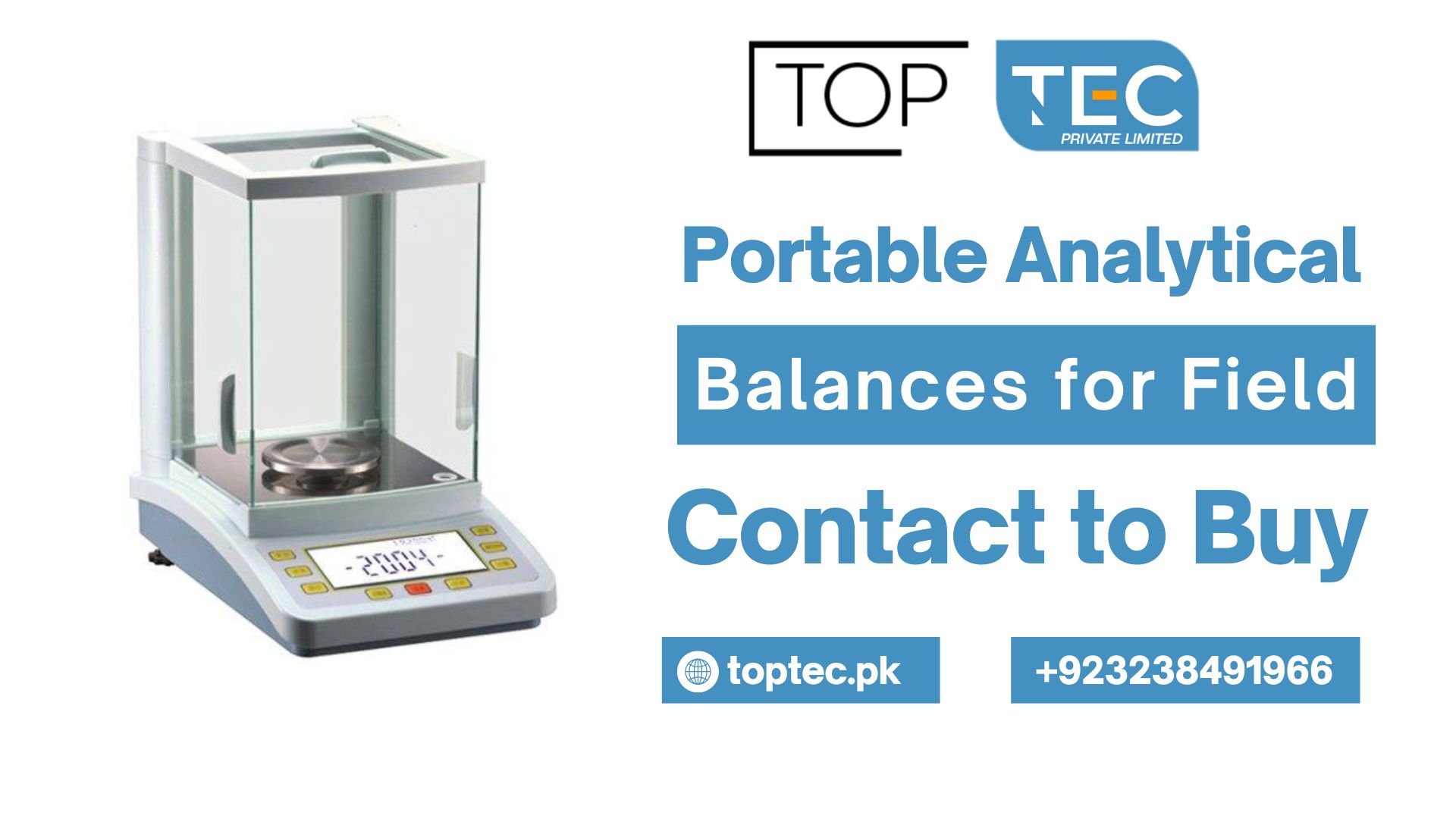
We manufacture high-precision portable analytical balances engineered to deliver laboratory-grade accuracy in both stationary and mobile applications. Our comprehensive range of transportable weighing instruments combines exceptional measurement precision with rugged construction, enabling accurate mass determination in diverse environments including field research sites, manufacturing facilities, quality control laboratories, and educational institutions. Each portable balance undergoes meticulous calibration and quality testing procedures ensuring measurement reliability across varying operational conditions.
Our analytical balance technology incorporates advanced electromagnetic force restoration sensors providing readability to 0.1 milligram or finer while maintaining compact dimensions and lightweight construction suitable for transportation. These sophisticated weighing systems feature integrated windshields protecting the weighing chamber from air currents, vibration-dampening platforms minimizing environmental interference, and intelligent software compensating for temperature fluctuations and gravitational variations. We design every instrument to withstand the rigors of field deployment while preserving the measurement accuracy traditionally associated with stationary laboratory equipment.
Applications Demanding Portable Precision Weighing Solutions
We supply field-ready analytical balances serving pharmaceutical research teams conducting formulation development at remote clinical trial sites where accurate ingredient measurement proves critical for protocol compliance. Environmental scientists utilize our portable weighing systems for sample preparation during field expeditions, enabling precise measurement of soil samples, water filtration residues, and biological specimens at collection locations. Our instruments eliminate sample degradation risks associated with transportation to distant laboratories while accelerating research timelines through immediate on-site analysis capabilities.
Quality control professionals in manufacturing environments rely on our portable balances for in-process verification activities, moving instruments between production lines to verify fill weights, check component masses, and validate process outputs. The mobility eliminates sample transportation time and enables real-time decision-making regarding production adjustments. Our balances serve food processing facilities, pharmaceutical manufacturing operations, chemical production plants, and electronics assembly operations requiring verified measurements at multiple process locations.
Educational institutions equip mobile teaching laboratories with our portable analytical balances, enabling hands-on experimentation in diverse locations including outdoor field study sites, satellite campus facilities, and community outreach programs. The combination of laboratory-grade accuracy with field portability expands educational opportunities beyond traditional fixed laboratory settings. We configure educational models with intuitive interfaces and comprehensive safety features appropriate for student operations while maintaining professional measurement performance.
Advanced Weighing Technology in Compact Portable Designs
We engineer our portable analytical balances utilizing electromagnetic force compensation technology where electrical current through a coil suspended in a permanent magnetic field generates force precisely counteracting gravitational force on the weighed sample. This fundamental measurement principle delivers superior linearity, repeatability, and long-term stability compared to alternative weighing technologies. Our instruments feature high-resolution analog-to-digital converters sampling the compensation current thousands of times per second, extracting stable weight values from noisy measurement signals through sophisticated digital filtering algorithms.
Our monolithic weighing cells machined from single aluminum blocks eliminate mechanical joints and fasteners that introduce hysteresis, creep, and temperature sensitivity in conventional balance designs. This integral construction provides exceptional mechanical stability and temperature performance while reducing manufacturing complexity. We precision-machine critical dimensions within micron tolerances using computer-controlled equipment, ensuring consistent performance across production batches and enabling interchangeability of calibration parameters.
We implement automatic internal calibration systems in premium portable balance models, incorporating precision reference masses and motorized mechanisms executing calibration routines at programmed intervals or temperature changes. This internal calibration capability maintains measurement accuracy despite environmental variations encountered during field deployment. The automated calibration eliminates manual procedures requiring external calibration weights, accelerating workflow and reducing user error opportunities that compromise measurement quality.
Rugged Construction Withstanding Field Environment Challenges
We construct field-portable balances with reinforced housings using impact-resistant plastics and protective metal frameworks absorbing mechanical shocks during transportation and field handling. Our designs incorporate elastomeric shock mounts isolating sensitive weighing mechanisms from external impacts and vibrations. We validate mechanical robustness through drop testing, vibration exposure, and rough handling simulations exceeding typical field use conditions, ensuring reliable operation after transportation in vehicle trunks, storage in equipment cases, and handling during outdoor deployments.
Our instruments feature sealed electronics compartments protecting circuit boards and connectors from dust infiltration, moisture exposure, and chemical vapors encountered in field environments. We specify ingress protection ratings appropriate for outdoor use, with premium models achieving IP54 ratings against dust and water spray. The environmental sealing extends instrument lifespan and maintains measurement accuracy in challenging conditions where unprotected electronics would fail or experience performance degradation.
We equip portable analytical balances with rechargeable battery systems providing extended operation without electrical power connections. Our battery implementations deliver 8 to 12 hours of continuous operation enabling full-day field deployments without recharging interruptions. We incorporate intelligent power management systems automatically entering sleep modes during idle periods, extending battery runtime for intermittent weighing applications common in field research and mobile quality control activities.
Precision Specifications Meeting Laboratory Standards
We manufacture portable balances achieving readability specifications from 0.01 milligram to 1 milligram depending on model capacity, providing measurement resolution appropriate for analytical chemistry, pharmaceutical compounding, and precision manufacturing applications. Our instruments maintain this fine readability across maximum capacities ranging from 120 grams to 520 grams, accommodating diverse sample sizes and weighing requirements. The combination of high resolution and practical capacity enables direct weighing of most laboratory samples without subdividing or dilution procedures.
Our repeatability specifications quantify measurement precision, with premium portable analytical balances achieving standard deviations below 0.1 milligram across repeated measurements of identical samples. This exceptional repeatability enables detection of minute mass differences critical for research applications, quality control verification, and formulation development work. We verify repeatability performance during manufacturing testing using OIML-certified test weights under controlled conditions, documenting actual performance for comparison against published specifications.
We specify linearity tolerances indicating maximum measurement deviation across the entire weighing range from minimum capacity to maximum capacity. Our portable analytical balances maintain linearity within 0.2 milligram across full capacity ranges, ensuring measurement accuracy for samples of any mass within instrument capabilities. We test linearity using calibrated weight sets tracing to national metrology standards, verifying performance at multiple points throughout the weighing range and documenting results in calibration certificates.
Environmental Compensation for Accurate Field Measurements
We incorporate motorized internal calibration mechanisms executing adjustment routines compensating for temperature changes, gravitational field variations, and aging effects in portable balance electronics. These calibration systems include precision reference masses and automated lifting mechanisms bringing calibration weights onto the weighing pan without user intervention. Our software monitors temperature sensors and elapsed time since last calibration, triggering automatic adjustment routines maintaining measurement accuracy despite changing environmental conditions encountered during field deployments.
Our instruments feature location adjustment capabilities compensating for gravitational field strength variations across different geographical locations and elevations. Gravitational acceleration varies by approximately 0.5 percent between equatorial and polar regions, introducing significant measurement errors in precision balances without location compensation. We program instruments with geographical calibration enabling users to select location coordinates or elevation settings, automatically adjusting measurement algorithms for local gravitational conditions.
We implement temperature compensation algorithms in balance software continuously monitoring ambient temperature and applying correction factors maintaining measurement accuracy across specified operating temperature ranges. Our portable balances operate accurately from 10°C to 30°C, accommodating typical laboratory conditions plus outdoor field environments during moderate weather. The temperature compensation maintains specifications despite 20°C temperature ranges, eliminating frequent recalibration requirements when moving instruments between locations with different thermal conditions.
Intuitive Operation Accelerating Workflow Efficiency
We design user interfaces featuring large high-contrast displays showing weight values, units, stability indicators, and operational status information simultaneously. The graphical displays utilize transflective LCD technology providing excellent visibility in both indoor lighting and bright outdoor sunlight conditions. We size display characters appropriately for viewing from comfortable working distances without requiring users to lean close to instruments during operation, reducing ergonomic strain during extended weighing sessions.
Our control panels incorporate dedicated function keys for frequently used operations including tare, print, calibration, and unit conversion, enabling single-press access without navigating menu systems. We position control keys ergonomically for natural finger placement and tactile feedback confirming key activation. The intuitive control layout minimizes training requirements and reduces operational errors, particularly valuable when non-specialist users operate instruments during field deployments or when experienced operators work under time pressure.
We implement customizable display configurations allowing users to select preferred weight units, decimal places, and auxiliary information shown during weighing operations. Our instruments support metric and imperial units including grams, milligrams, kilograms, ounces, pounds, carats, and specialized units for specific industries. The flexible display configuration accommodates diverse user preferences and regulatory requirements across international markets and different application sectors.
Comprehensive Connectivity for Data Management Integration
We equip our portable analytical balances with USB interfaces enabling connection to computers for weight data transfer, configuration management, and firmware updates. The USB connectivity supports both device communication protocols for real-time data streaming and USB flash drive connections for standalone data logging without computer connections. We supply Windows-compatible software providing balance configuration tools, data collection utilities, and weighing application programs expanding instrument capabilities beyond basic mass measurement.
Our instruments incorporate RS-232 serial communication interfaces ensuring compatibility with legacy laboratory information management systems and industrial control equipment utilizing serial protocols. We implement standard communication formats including continuous output mode streaming weight data, demand mode responding to computer polling requests, and GLP-compliant output including date, time, operator identification, and balance serial numbers. The flexible communication options enable integration with diverse data management infrastructures.
We offer Bluetooth wireless connectivity in select portable balance models, eliminating cable connections between instruments and computers or mobile devices. The wireless communication proves particularly valuable during field deployments where cable management presents practical challenges. We implement secure Bluetooth pairing protocols preventing unauthorized data access and ensuring measurement traceability in regulated applications requiring data integrity protection.
Built-in Applications Expanding Measurement Capabilities
We program our portable balances with statistical analysis functions calculating mean values, standard deviations, and coefficients of variation across multiple weighing operations. These statistical tools support quality control activities requiring measurement of sample variability, process capability studies, and research applications demanding quantitative precision assessment. The instruments store individual measurement values and computed statistics, providing comprehensive datasets for documentation and further analysis.
Our instruments include parts counting applications utilizing average piece weight determination and automatic count calculation for inventory management and component verification activities. Users weigh reference quantities establishing average piece weights, then place unknown quantities on the weighing pan for automatic count determination. We implement accumulation functions totaling counts across multiple weighing operations, supporting inventory activities involving numerous containers or locations.
We incorporate checkweighing functions with programmable target weights and tolerance limits, providing visual and audible indications when samples fall within acceptable ranges. This functionality supports quality control verification activities requiring rapid accept-reject decisions for production outputs, filling operations, or incoming material verification. Our instruments display deviation from target weights plus intuitive color-coded indicators showing over, under, or acceptable status without requiring mental calculations.
Calibration and Quality Assurance for Measurement Traceability
We provide factory calibration certificates documenting instrument performance verification using NIST-traceable reference standards prior to delivery. These certificates record readability, repeatability, linearity, and corner load deviation test results demonstrating compliance with published specifications. We include calibration uncertainty statements following ISO/IEC 17025 requirements, providing complete information supporting measurement uncertainty calculations for critical applications. The documentation satisfies quality system requirements for equipment qualification and measurement traceability.
We recommend periodic calibration verification using certified test weights appropriate for instrument capacity and application requirements. Users should perform daily operational checks using single test weights confirming instrument functionality before critical measurements. We suggest comprehensive calibration verification quarterly or following instrument relocation, temperature extremes, or mechanical impacts potentially affecting measurement accuracy. Our service centers provide annual recalibration services including complete performance verification and adjustment when necessary.
We supply calibration weight sets specifically matched to portable balance capacities and accuracies, providing convenient tools for routine verification activities. These weight sets include OIML Class E2 or F1 masses with certified values and stated uncertainties appropriate for verifying analytical balance performance. We package weights in protective cases preventing damage and contamination, and include calibration certificates documenting mass values traceable to national standards.
Windshield Design Minimizing Environmental Interference
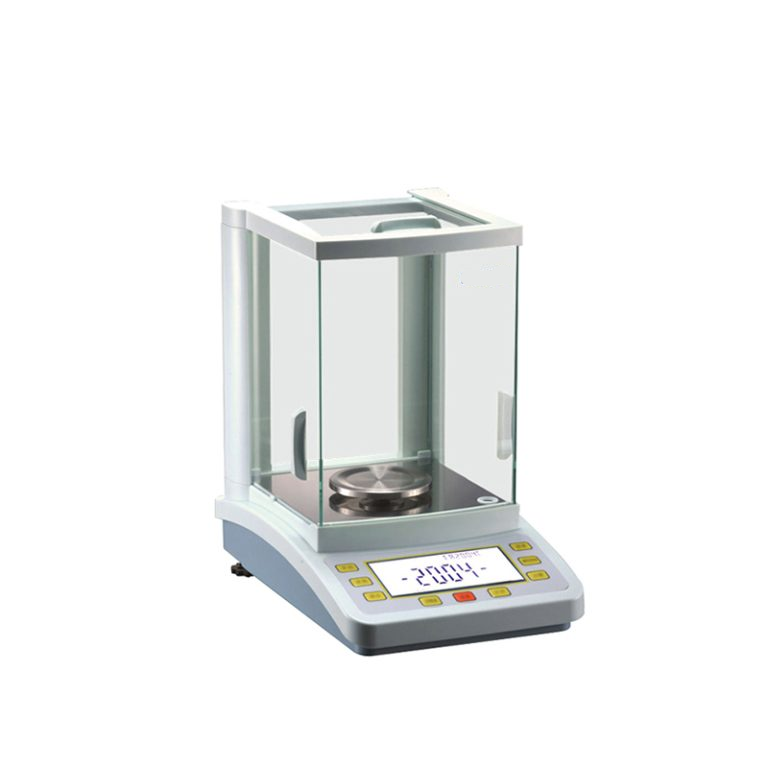
We engineer transparent windshields surrounding weighing chambers on analytical balance models, protecting samples from air currents that introduce weight measurement instability. Our windshield designs feature sliding glass doors providing convenient sample access while maintaining environmental isolation during measurement operations. We position doors for ergonomic access from front and sides, accommodating various working positions and sample handling preferences. The multi-door configuration proves particularly valuable when repeatedly weighing numerous samples requiring efficient workflow.
Our windshield materials utilize high-quality optical glass or clear acrylic providing unobstructed visual monitoring of weighing operations while maintaining structural rigidity against deflection from door operation. We design door seals and guides minimizing gaps where air currents penetrate into weighing chambers while ensuring smooth operation throughout product lifespans. The robust windshield construction withstands cleaning procedures using common laboratory disinfectants and solvents without degradation or optical clarity loss.
We implement ionizing devices in premium portable balance models, eliminating static electrical charges on samples, containers, and windshield surfaces that introduce measurement errors through electrostatic forces. The integrated ionizers generate balanced positive and negative ions neutralizing static charges within seconds. This static elimination proves critical when weighing plastic containers, powdered samples, or materials in low-humidity environments where static charge accumulation causes erratic weight readings and poor measurement stability.
Weighing Pan Design and Sample Accommodation
We manufacture stainless steel weighing pans providing chemically inert surfaces compatible with diverse sample types including corrosive chemicals, biological materials, and abrasive solids. The polished stainless steel surfaces facilitate cleaning, prevent sample adhesion, and maintain appearance throughout extended service. We size weighing pans appropriately for instrument capacities and typical sample container dimensions, accommodating standard laboratory glassware including beakers, flasks, and weighing boats without excessive pan area that would increase air current susceptibility.
Our instruments accommodate tare containers up to full rated capacity minus minimum displayed resolution, enabling direct weighing of samples in appropriate containment vessels. Users place empty containers on weighing pans, press tare functions zeroing displays, then add samples for direct net weight determination. We implement sophisticated tare algorithms maintaining full resolution and accuracy throughout tare capacity ranges, ensuring precision for both light samples in heavy containers and heavy samples in light containers.
We offer draft shields and sample holders as accessories for specialized weighing applications including volatile liquid handling, hygroscopic material weighing, and small sample manipulation. These accessories attach to standard weighing pans, providing specialized sample containment or positioning capabilities. We design accessories maintaining compatibility with windshield operation and not interfering with air circulation patterns within weighing chambers.
Power Management for Extended Field Operation
We incorporate high-capacity lithium-ion batteries providing superior energy density compared to alternative battery technologies, maximizing operational time while minimizing instrument weight. Our battery implementations utilize intelligent charge management systems protecting against overcharge, over-discharge, and thermal stress conditions that degrade battery lifespan. We specify batteries achieving 500 or more charge cycles before capacity degradation, providing years of service under typical usage patterns.
Our instruments feature AC adapter operation enabling use in laboratories and facilities with electrical power availability while simultaneously recharging internal batteries. The dual-mode power operation provides flexibility for both field deployments and stationary laboratory installations. We supply universal input AC adapters operating from 100-240 VAC power systems worldwide, eliminating the need for voltage converters when traveling internationally or deploying instruments in diverse geographical locations.
We implement power-saving modes automatically reducing display brightness and entering sleep states during idle periods, substantially extending battery runtime during intermittent weighing applications. Users configure timeout intervals appropriate for specific workflows, balancing power conservation against convenience of instant instrument readiness. The intelligent power management maintains calibration status and operational settings during sleep modes, enabling instant weighing capability upon wake-up without recalibration delays.
Transport Cases and Protective Accessories
We supply custom-fitted transport cases with our portable analytical balances, featuring high-density foam interiors precisely shaped to instrument contours. These protective cases distribute shock loads around sensitive components during transportation, preventing damage from impacts, vibration, and rough handling. We construct cases from impact-resistant plastics with reinforced corners and edges absorbing punishment during shipping and field transportation.
Our carrying cases include storage compartments for AC adapters, calibration weights, weighing accessories, and documentation, consolidating complete weighing systems in single packages. The organized storage prevents accessory loss and simplifies field deployment preparation. We implement secure latching systems and optional locks protecting valuable instrumentation during storage and transportation while allowing rapid access during field operations.
We offer weather-resistant cases for instruments deployed in harsh environmental conditions, featuring gasket seals protecting against rain, dust, and humidity exposure. These ruggedized cases meet military specifications for equipment protection, ensuring instrument survival during extreme field conditions. The cases accommodate instruments with batteries installed, enabling rapid deployment without unpacking and assembly procedures.
Compliance with International Standards and Regulations
We manufacture portable analytical balances conforming to OIML R76 and R111 standards governing non-automatic weighing instruments and precision weights. These international metrology organization standards establish performance requirements, testing procedures, and documentation expectations for commercial weighing equipment. Our compliance ensures instruments meet fundamental accuracy, repeatability, and stability requirements recognized worldwide, facilitating instrument acceptance across international markets and diverse regulatory jurisdictions.
Our instruments bear CE marking indicating conformity with European Union directives covering electromagnetic compatibility, electrical safety, and RoHS hazardous substance restrictions. We conduct comprehensive testing verifying emission levels, immunity to interference, and electrical insulation integrity meeting directive requirements. The CE conformity enables legal sale and use throughout European Economic Area member states plus numerous other countries recognizing CE marking.
We design portable balances meeting USP Chapter 41 requirements for pharmaceutical weighing instrument selection and operation. These United States Pharmacopeia requirements establish minimum balance performance criteria and verification procedures for pharmaceutical compounding and manufacturing applications. Our instruments exceed minimum repeatability requirements at typical sample masses, providing appropriate measurement capability for pharmaceutical quality control, formulation development, and compounding operations.
Industry-Specific Configurations and Custom Solutions
We configure pharmaceutical portable balances with features supporting good manufacturing practice compliance including audit trails recording all weighing operations, user access controls restricting instrument operation to authorized personnel, and data integrity protections preventing result manipulation. These GMP-focused capabilities generate documentation satisfying regulatory inspection requirements and internal quality system standards. We implement electronic signature capabilities meeting 21 CFR Part 11 requirements for electronic records in FDA-regulated pharmaceutical manufacturing.
Our educational portable balances feature simplified interfaces appropriate for student operation while maintaining analytical measurement performance for rigorous laboratory instruction. We incorporate safety features preventing operational errors and provide comprehensive instructional materials supporting classroom teaching activities. The educational configurations balance affordability against professional performance, enabling institutions to equip multiple teaching laboratory stations without compromising measurement quality in student experiments.
We supply field research balances optimized for environmental scientists, archaeologists, and remote research teams requiring maximum portability, extended battery operation, and extreme environmental tolerance. These specialized configurations emphasize rugged construction, weather resistance, and minimal accessory requirements. We package field research instruments in backpack-style carrying cases facilitating transportation during hiking expeditions and remote site access where conventional hard cases prove impractical.
Technical Support and Application Assistance
We provide comprehensive technical support via telephone, email, and remote assistance tools helping customers optimize portable balance performance and troubleshoot operational issues. Our support engineers possess extensive weighing technology knowledge plus practical field experience enabling effective problem diagnosis and solution recommendations. We maintain extended support hours accommodating customers across multiple time zones and document all support interactions for continuity across multiple contacts.
We offer application consulting services helping customers select appropriate instrument configurations, establish measurement procedures, and implement quality control protocols. Our applications specialists leverage experience across pharmaceutical, environmental, manufacturing, and research sectors providing practical guidance reflecting real-world constraints and best practices. The consultative approach ensures customers achieve measurement objectives while controlling costs and maintaining regulatory compliance.
We publish technical resources including application notes, procedure templates, troubleshooting guides, and best practice recommendations supporting successful portable balance implementation. These resources address common challenges encountered during field measurements, provide solutions for specialized applications, and explain measurement principles underlying instrument operation. The comprehensive documentation accelerates user proficiency and reduces support requirements for routine operations.
Maintenance and Consumables Supporting Long-Term Performance
We recommend routine maintenance procedures including weighing pan cleaning, windshield inspection, and performance verification using test weights. Users should clean weighing pans after each use preventing sample carryover and contamination affecting subsequent measurements. We specify compatible cleaning agents and procedures preventing damage to sensitive balance components while effectively removing residues. The simple maintenance requirements minimize operational costs and preserve measurement accuracy throughout instrument lifespans.
We supply replacement parts and consumables including weighing pans, windshield components, AC adapters, and batteries supporting long-term instrument operation. Our parts inventory ensures availability of components for current models plus many discontinued instruments, protecting customer investments in weighing equipment. We provide detailed parts diagrams and replacement procedures enabling customer self-service for routine component replacement without factory service interventions.
We offer extended warranty programs and service contracts providing comprehensive protection against equipment failures and regular preventive maintenance. These programs include annual calibration verification, replacement of wear items, and priority service response when equipment problems occur. The service contracts provide budget predictability and minimize unplanned maintenance expenses that disrupt research programs or production operations.
Competitive Advantages of Our Portable Balance Solutions
We deliver superior measurement performance in portable formats through innovative engineering, precision manufacturing, and comprehensive quality control. Our instruments achieve specifications typically associated with stationary laboratory balances while providing portability, battery operation, and environmental ruggedness necessary for field applications. This combination of contradictory attributes results from focused research and development investments plus manufacturing expertise accumulated through decades of precision instrument production.
Our global sales and service network provides local support across major markets worldwide, ensuring responsive customer service regardless of deployment location. We maintain service centers staffed with factory-trained technicians capable of performing repairs, calibrations, and application support. The international presence proves particularly valuable for customers deploying portable balances across multiple countries requiring coordinated support and consistent service standards.
We offer competitive pricing reflecting efficient manufacturing operations, supply chain optimization, and direct sales models eliminating distributor markups. Our pricing structures provide exceptional value considering instrument performance, build quality, and included accessories. We structure volume discounts for customers purchasing multiple units or committing to multi-year calibration service agreements, recognizing the value of long-term business relationships.
Environmental Responsibility in Product Design and Manufacturing
We design portable analytical balances emphasizing longevity, repairability, and upgrade capability rather than planned obsolescence. Our modular construction enables component replacement extending useful instrument lifespans beyond 10 years with proper maintenance. We maintain spare parts availability and provide software updates adding functionality to existing instruments, protecting customer investments and reducing electronic waste. The sustainable design philosophy balances commercial objectives against environmental responsibility.
We implement energy-efficient power systems in our portable balances, minimizing electricity consumption during both active operation and standby modes. The efficient power management reduces operating costs for customers while decreasing environmental footprint from electricity generation. We utilize high-efficiency switching power supplies and optimize electronic circuit designs eliminating unnecessary power consumption without compromising measurement performance.
We comply with RoHS restrictions limiting hazardous substances in electronic equipment, eliminating lead, mercury, cadmium, and other toxic materials from our portable balance designs. The environmentally-conscious materials selection facilitates end-of-life recycling and reduces environmental contamination. We participate in take-back programs accepting obsolete equipment for responsible recycling, ensuring valuable materials recovery and proper disposal of components requiring special handling.
