

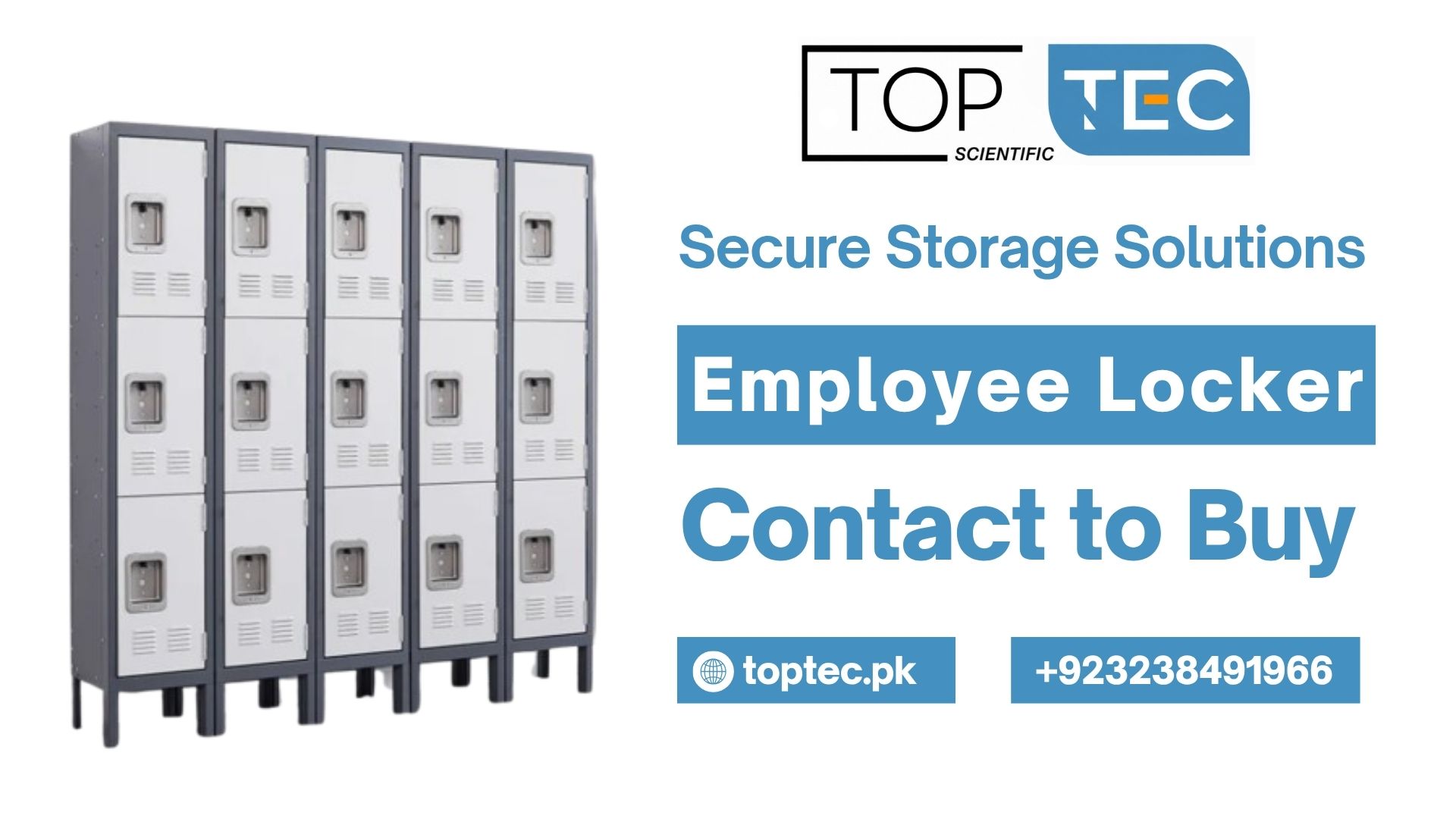
Buy durable employee lockers for your workplace. Steel construction, powder-coated finish, and secure locking options. Ideal for offices, factories, and gyms. Request a quote from verified suppliers today.
I’ve been working with various facilities across Pakistan – laboratories, pharmaceutical plants, research centers, hospitals – and I’ve noticed something that doesn’t get talked about enough. Proper employee storage and security is just as important as having good equipment. I’ve seen workplaces where staff didn’t have anywhere secure to store their personal belongings, and it creates all sorts of problems. People leave stuff at their desks, use lab benches as storage, or worse – they bring valuables into secure areas where they shouldn’t be.
When I started consulting with facility managers about Buy Employee Locker systems, I realized most people treat this as an afterthought. They focus on expensive lab equipment and overlook basic employee needs. That’s a mistake. A good staff lockers system affects workplace security, employee morale, compliance, and operational efficiency. If you’re planning to improve your facility, this is definitely something worth thinking through properly.
So I’m going to walk you through everything about employee storage lockers – what you need, how to choose the right system, why quality matters, and why going with a manufacturer like TOPTEC Scientific makes sense. If you’re planning to Buy Laboratory Furniture and workplace solutions, this guide will help you make smart decisions.
Understanding Employee Locker Systems
Let me start with the obvious – staff lockers are storage units where employees can securely keep their personal belongings. That sounds simple, but the importance goes way deeper than that.
Here’s what I’ve learned from working with different facilities. When employees don’t have secure personal storage, several problems happen. First, they leave stuff at their workstations, which is messy and unprofessional. Second, they sometimes try to store things in lab areas or secure spaces where personal belongings shouldn’t be. Third, they worry about theft, which affects morale. Fourth, you can have security and compliance issues because you can’t properly control what’s entering and leaving your facility.
I was at a pharmaceutical lab once where staff didn’t have lockers. People were leaving personal items at their desks, sometimes even bringing bags into clean areas. When regulatory inspectors came, this was flagged as a compliance issue. The facility had to shut down operations temporarily while they implemented a staff lockers system. It was expensive and disruptive. If they’d had proper employee storage upfront, it never would have happened.
When you Buy Employee Locker systems for your workplace, you’re not just providing convenience. You’re supporting security, compliance, professionalism, and employee satisfaction.
Types of Employee Lockers
There’s actually more variety in employee storage lockers than most people realize. Understanding the options helps you choose right for your facility.
Standard Single-Tier Lockers
These are the traditional full-height lockers – tall units that are one locker per section, floor to top. They’re good for:
- General office environments
- Facilities where employees need full-height storage
- Places where you want maximum storage per locker
- Workplaces with limited floor space (vertical storage)
The advantages are straightforward – they’re durable, provide good storage capacity, and are simple to use. The disadvantages are they take up floor space and might be oversized for what some employees actually need.
I worked with a research facility that used full-height lockers. They were good, but honestly, researchers didn’t need that much storage. They could have gone with smaller units and used floor space more efficiently.
Multi-Tier Lockers
These are stacked units – maybe 3 or 4 small lockers stacked in the same footprint as one full-height locker. Good for:
- Facilities with many employees
- Limited floor space
- Situations where employees don’t need huge storage
- More efficient use of space
Multi-tier staff lockers give you more lockers in the same floor footprint. The downside is each individual locker is smaller, which isn’t ideal if someone needs to store a full outfit or large items.
Half-Height Lockers
These are somewhere in between – taller than multi-tier but not as tall as full-height. They work well for general workplace storage where you want reasonable capacity without full-height requirements.
Benches with Storage
Some facilities use combination bench-locker units where there’s seating with storage underneath. These work for lunch areas or break rooms where people need to sit and also store belongings.
Materials and Construction
When you Buy Employee Locker systems, the construction quality matters for durability and security.
Steel Lockers
Most lockers are made from steel – either mild steel with powder coating or stainless steel. Steel is durable, secure, and affordable.
Powder-coated steel is fine for regular office environments. It resists minor scratches and looks professional. For environments with humidity, chemicals, or salt air (coastal facilities), stainless steel is better because it doesn’t rust.
I worked with a pharmaceutical facility in Karachi where they initially bought powder-coated steel lockers. The coastal humidity started causing rust within 2 years. They replaced them with stainless steel, which lasted much longer. In humid or harsh environments, invest in better material upfront.
Stainless Steel Lockers
These are more expensive but last much longer in harsh environments. They don’t rust, don’t require special maintenance, and look professional long-term.
When you Buy Laboratory Furniture for facilities in humid areas or with chemical exposure, stainless steel staff lockers are worth the investment.
Laminates and Composite Materials
Some modern lockers use composite materials or laminate finishes. These can look nice and are easy to clean, but they’re generally less durable than steel for heavy-use environments.
Locking Mechanisms and Security
The security features of your locker system matter, especially in regulated environments.
Key Locks
Traditional key locks are simple and straightforward. The facility maintains master keys. The downside is keys can get lost, shared, or stolen. Also, if someone loses a key, you need to change the lock.
Padlocks
Some facilities use padlocks where employees bring their own locks. This gives employees control but creates management issues. Different quality locks, lost padlocks, and no backup if someone loses the key.
Combination Locks
Built-in combination locks let employees set their own code without needing keys. Downside is if someone forgets the combination, you need a technician to reset it. Also, codes can be shared.
Electronic Locks
High-security facilities use electronic locks – key cards, PIN codes, or biometric access. More expensive but provides excellent security and audit trails.
For pharmaceutical labs or secure facilities, electronic locks on employee storage lockers make sense. For general workplaces, key locks or combination locks are usually fine.
Size and Configuration Options
Before you Buy Employee Locker equipment, figure out what configuration actually works for your space.
Locker Dimensions
Standard widths are usually 12 inches (for single-locker configurations) or 36 inches (for 3-locker configurations). Heights vary from about 18 inches for single-tier multi-lockers to 72 inches for full-height.
Depth is typically 12-18 inches. Deeper lockers provide more storage but take more floor space.
Custom Configurations
TOPTEC Scientific and other quality manufacturers offer custom configurations. You can mix locker sizes – maybe 60% standard and 40% larger ones. You can create L-shaped configurations to fit corners, or linear runs for hallways.
Think about your actual employees’ needs. A laboratory might need lockers large enough for winter coats. A data center might need smaller lockers just for personal items.
Ventilation Considerations
Lockers with vented doors or mesh backs allow air circulation, preventing moisture buildup and odors. This is especially important for changing rooms or locker areas where lockers are close together.
When you Buy Laboratory Furniture for employee areas, consider ventilation – it keeps lockers fresher and prevents mold or mildew in humid climates.
Installation and Placement Considerations
Where you install your staff lockers matters as much as what you install.
Entry Areas
Many facilities place lockers near entrances so employees can secure belongings before entering the workplace. This prevents personal items from entering work areas.
Locker Rooms
Some facilities have dedicated locker rooms – changes areas with benches, lockers, mirrors. More organized but requires dedicated space.
Distributed Placement
Some facilities place smaller locker banks throughout – a few in each department. Convenient for employees but requires more total units.
Accessibility
Lockers should be accessible to all employees. Consider height placement for people who can’t reach high compartments. Consider placement near where people actually need them.
I was at a facility where lockers were installed in a basement. Employees hated going down there, so they didn’t use the lockers – they left stuff at their desks instead. Placement matters for actual usage.
Climate Control
Lockers in hot, humid areas can develop moisture problems. Placing them in climate-controlled environments is better. If that’s not possible, ensure good ventilation.
Security Features Beyond Locks
A complete employee storage lockers system includes more than just locks.
Numbering and Identification
Each locker should be clearly numbered. This helps with assignment tracking, maintenance, and security.
Master Key Systems
The facility maintains master keys for maintenance access and emergency situations. Keep master keys secure.
Inspection and Maintenance Access
Lockers should be designed so facility staff can access them for inspections if needed. Some facilities have policies where lockers are inspected periodically to prevent prohibited items.
Sign-Out Systems
For assigned lockers, maintain records of who’s assigned to which locker. This helps if issues arise.
Rules and Policies
Clear policies about what can and can’t be stored, how long items can stay, and what happens if issues occur. Communicate these to employees.
Material Quality and Durability
When you Buy Employee Locker systems, think about longevity.
Quality lockers from manufacturers like TOPTEC Scientific are built to last 10-15+ years with proper maintenance. Budget lockers might need replacement in 5-7 years.
Consider:
- Gauge of steel (thicker is better)
- Quality of hinges (they get used constantly)
- Quality of locks and latches
- Paint or powder coating durability
- Welds (should be smooth and solid)
Look for lockers with reinforced corners and solid construction. Cheap lockers feel flimsy – there’s a reason.
Hygiene and Cleaning Considerations
In pharmaceutical or medical facilities, cleanliness matters.
Lockers should be easy to clean – smooth surfaces without crevices where dirt accumulates. Vented designs that don’t trap moisture are better for hygiene.
Some facilities have regular locker cleaning schedules. Make sure your chosen employee storage lockers are designed to be cleanable.
Why Stainless Steel Makes Sense
While I mentioned materials earlier, let me expand on why stainless steel specifically is worth considering.
Stainless steel doesn’t corrode, which matters in humid Pakistani climates. It’s easy to sanitize – important for medical or pharmaceutical facilities. It looks professional and modern long-term. It resists damage from minor impacts.
When you Buy Laboratory Furniture for regulated facilities, stainless steel staff lockers support compliance requirements around hygiene and contamination control.
Choosing the Right Locker System for Your Facility
When you’re ready to Buy Employee Locker equipment, here’s how I’d approach it:
Step One: Understand your actual needs. How many employees? What do they need to store? What’s your climate and environment? What are compliance requirements?
Step Two: Calculate space available. Measure where lockers can go. Consider how many you need versus how much space you have.
Step Three: Evaluate security requirements. Do you need key locks, combination, or electronic? What’s your budget for security?
Step Four: Look at material options. Consider whether regular steel or stainless steel makes sense for your environment.
Step Five: Get quotes from quality manufacturers. Compare pricing, materials, options, and support.
Step Six: Consider installation and support. Can the manufacturer install and provide training?
Integration with Workplace Policy
Your staff lockers system should integrate with workplace policies.
Clear policies should address:
- What items can and can’t be stored
- How long items can stay
- What happens to abandoned items
- Privacy expectations (can lockers be inspected?)
- Who has master key access
- Maintenance procedures
Communicate these policies clearly to employees. A good locker system supports security policies, not replaces them.
Maintenance and Upkeep
Your employee storage lockers need regular maintenance to function properly.
Regular Inspection
Check locks and latches regularly. Repair or replace damaged ones quickly.
Cleaning
Regular cleaning prevents odors and buildup. Monthly cleaning is reasonable for most facilities.
Hinge Maintenance
Hinges get heavy use. They might need lubrication or replacement over time.
Ventilation Checks
Make sure vents aren’t blocked. Clear any dust or debris.
Documentation
Keep records of maintenance, repairs, and any issues. This helps plan replacements.
Cost Considerations
When you Buy Laboratory Furniture like lockers, consider:
Purchase cost – depends on material, size, quantity, features
Installation costs – professional installation vs. DIY
Maintenance costs – repairs, replacements, cleaning supplies
Operating costs – minimal, but there are some
Quality lockers might cost 20-30% more upfront but last longer and require less maintenance. Calculate total cost of ownership over 10-15 years.
Why Choose TOPTEC Scientific
When you Buy Employee Locker systems from TOPTEC Scientific, you’re choosing a local manufacturer understanding workplace and facility needs.
Here’s why they’re worth considering:
Local manufacturing – no import markups, equipment optimized for Pakistan’s climate.
Quality construction – proper materials, good design, durable components.
Customization options – they work with you on sizing and configuration.
Professional installation – not just delivering equipment, but proper installation.
Support and maintenance – local technicians available for issues.
Competitive pricing – quality equipment without international costs.
Compliance and Standards
Depending on your facility type, there might be compliance considerations.
Pharmaceutical facilities might have requirements around personal item control. Medical facilities might have hygiene standards. Secure facilities might have specific security requirements.
When you Buy Laboratory Furniture for regulated facilities, ensure your locker system supports compliance requirements.
Employee Satisfaction Matters
I’ve seen this firsthand – providing secure locker storage actually improves employee morale.
Employees appreciate having somewhere secure for their belongings. It reduces workplace stress about theft or security. It supports a more professional environment.
When you invest in proper staff lockers, you’re showing employees you care about their needs. It’s not expensive, but it’s meaningful.
Planning for Growth
When choosing a locker system, think about future needs.
If your facility might expand, get lockers that can be added to. Modular systems from quality manufacturers allow adding units as you grow.
If your business might change – different types of employees, different needs – flexible systems are better.
Conclusion
When you Buy Employee Locker systems for your workplace, you’re investing in security, compliance, and employee satisfaction.
It’s not glamorous equipment, but it’s important. Proper employee storage lockers support professionalism, protect valuables, and help meet compliance requirements.
Choose quality equipment that will last. TOPTEC Scientific manufactures durable locker systems specifically for Pakistani facilities.
Plan for your actual needs. Install properly. Maintain regularly.
Good locker systems seem simple, but they solve real workplace problems. Make it a priority when you Buy Laboratory Furniture and workplace solutions.
Your employees will appreciate the professional environment. Your facility will operate more securely. It’s a worthwhile investment that pays dividends in employee satisfaction and operational efficiency.
