

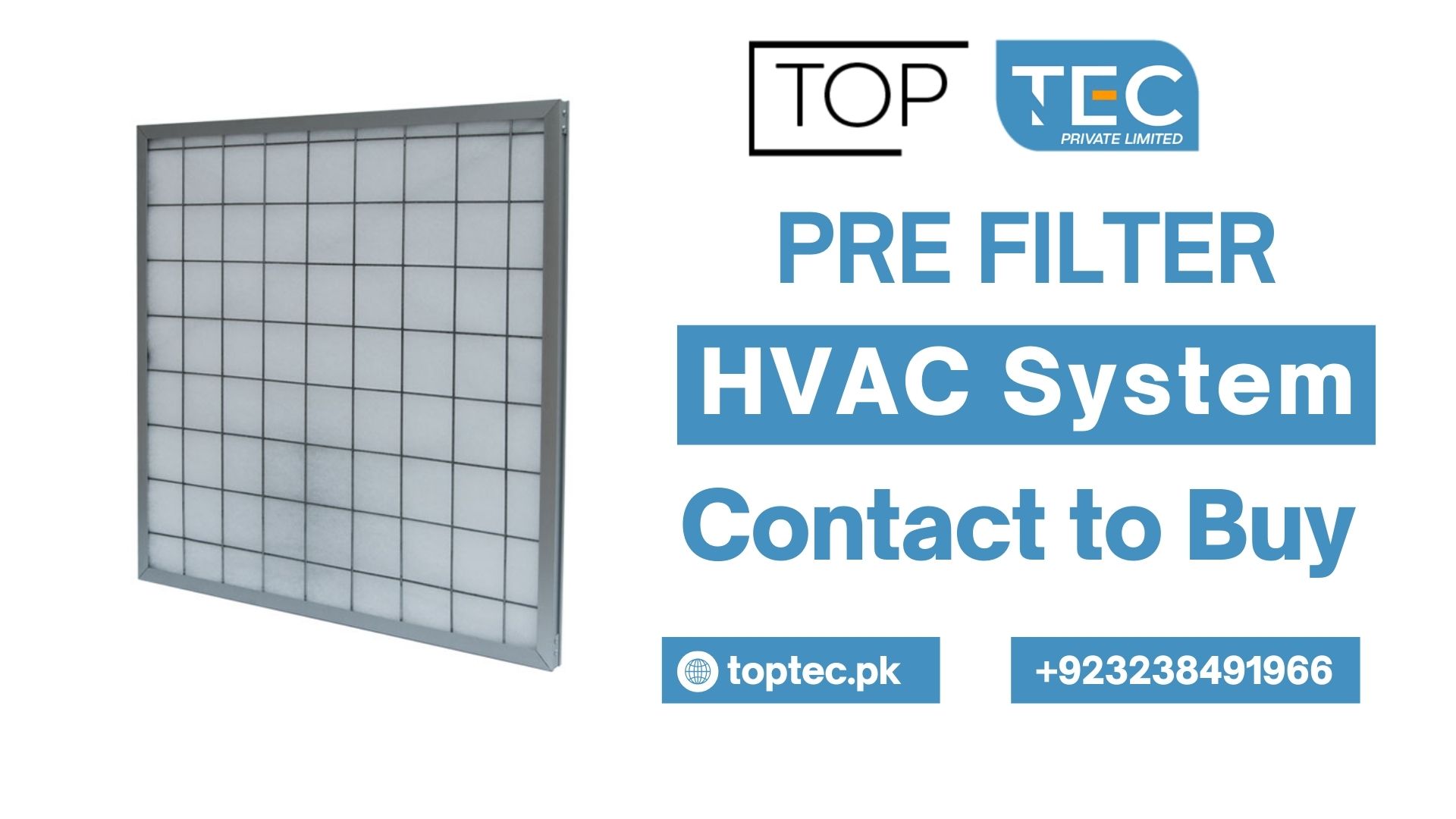
You know what I didn’t understand for way too long? Pre filters. I’d see them mentioned in equipment specs and just kind of skip over it thinking, “Yeah yeah, it’s a filter, I get it.” Turns out there’s actually more to know, and it matters more than I realized.
The Basic Thing Everyone Gets Wrong About Pre Filters
So here’s the issue. Most people think all filters do the same job. They don’t. Pre filters are specifically the first line of defense. They catch the big stuff so your actual filter – the one doing the serious work – doesn’t get clogged with garbage.
Think about it logically. If you’ve got air full of dust and you immediately run it through a fine filter designed to catch tiny particles, that fine filter’s going to load up with dust in like five minutes and stop working. Pre filters prevent that.
I remember someone telling me they were replacing filters constantly in their HVAC system. Turned out they didn’t have a pre filter. Added one, and suddenly their main filter lasted months instead of weeks. Game changer.
Why Pre Filters Are Actually Smart Design
The principle is pretty simple when you think about it. Catch 80% of the particles in a cheap, easy-to-replace filter. Then let the expensive, sophisticated filter handle the remaining 20%. Your expensive filter lasts longer, you replace cheap parts more often, and overall system cost goes down.
This is why pre filters show up everywhere – HVAC systems, water treatment, industrial operations. Anybody doing serious filtration understands this principle.
HVAC Systems Need Pre Filters
Your building’s HVAC system is moving a ton of air. That air’s got dust, pollen, construction debris, whatever’s floating around outside. If all that goes straight into your main filter, you’re replacing filters constantly.
A good pre filter on an HVAC system means your primary filters last way longer. That saves money and means better air quality consistently.
When you buy Pre Filter components for HVAC applications, you’re investing in system longevity. Sounds simple, but people overlook this.
What Pre Filters Actually Catch
We’re talking about particles between 5 and 10 micrometers typically. Dust, pollen, hair, fibers, debris – the visible stuff mostly. Not the fine particles that get through to your main filter.
The efficiency rating on a pre filter is usually something like G3 or G4 on the EU scale. That means it’s catching a decent percentage of particles in that size range, but not obsessing about tiny stuff.
Water Filtration Uses Pre Filters Too
In water treatment, a pre filter’s the first step. Raw water comes in with sediment, particles, debris. A pre filter catches that before the water goes through finer filters or treatment systems.
This is critical because water contains all kinds of junk – sand, sediment, debris from pipes, whatever. Running that straight through fine filtration media would clog it immediately.
When you buy Pre Filter products for water applications, you’re protecting downstream equipment. It’s genuinely important.
The Relationship Between Pre Filters and Main Filters
These work together as a system. The pre filter does the rough work, the main filter does the fine work. They’re designed to complement each other. Skip the pre filter and your main filter suffers.
This is why equipment designers include both. They’ve thought about this and realized you need both pieces.
Industrial Filtration Depends on Pre Filters
In industrial settings – manufacturing, processing, whatever – you’ve got air and water moving through systems constantly. Pre filters are the reason those systems don’t choke on contamination.
I’ve visited manufacturing facilities where pre filter maintenance was absolutely critical. Change them on schedule and the system runs smooth. Ignore them and you’re dealing with clogged equipment and production issues.
Particle Size Actually Matters
A pre filter isn’t trying to catch everything – that would defeat the purpose. It’s designed for a specific range of particle sizes. Bigger stuff, basically. Visible stuff.
If you’re trying to catch ultra-fine particles in a pre filter, you’re using the wrong filter. That’s what your main filter’s for.
HVAC Pre Filters Come in Different Types
You’ve got disposable ones, reusable ones, electrostatic options. Different applications need different types. A residential HVAC system probably wants simple disposables. An industrial system might use something more heavy-duty.
When you buy Pre Filter units, know what your system needs. Don’t assume all pre filters are the same.
Residential HVAC Pre Filters
In a home, pre filters are pretty straightforward. You’re running air from outside through your HVAC system. You want to catch dust and pollen before it gets into your main filter and your home.
Most homes use disposable fiberglass or pleated pre filters. Change them a few times a year, system stays happy.
Commercial HVAC Pre Filters
Commercial buildings move more air and deal with more varied contamination. Pre filters in commercial systems are usually more substantial. They might have washable options. They’re definitely replaced or cleaned more frequently.
The goal’s still the same – protect the main filter – but the scale’s bigger.
Water Treatment Pre Filters
In water applications, pre filters usually focus on sediment. Sand, silt, debris, rust particles – that’s what they’re catching. This stuff would absolutely clog fine water filters.
A good pre filter extends the life of your expensive reverse osmosis membrane or carbon filter significantly.
When you buy Pre Filter products for water treatment, you’re protecting your whole system.
Industrial Air Pre Filters
Factories, mills, processing facilities – they all need pre filters on their air handling. Dust from materials, debris from processes, whatever – a pre filter catches it before it loads down the main filters.
Without this, main filter replacement becomes constant and expensive.
The Economic Argument for Pre Filters
Here’s the thing. Pre filters cost less than main filters. Usually significantly less. You’ll replace them more often, but the cost difference means overall you’re saving money.
This is actually one of the clearest arguments for using them. It’s just math.
Maintenance Schedules Actually Make Sense
Pre filters need regular replacement or cleaning depending on type. This is straightforward maintenance. When you buy Pre Filter units, you should understand how often they need changing.
Usually it’s more frequent than main filters – that’s by design. You’re catching the bulk of contamination here.
Clogging is a Pre Filter’s Job
When a pre filter gets clogged, that’s actually success. It means it’s catching particles and doing its job. You just replace it. This is way better than having that clogging happen in your expensive main filter.
Once you understand this, pre filter maintenance seems obvious.
Residential Water Pre Filters
If you’ve got a whole-house water filter system, it probably has pre filtration. This catches sediment from your well, municipal water, whatever source you’re using.
Sediment clogs fine filters crazy fast. A pre filter prevents this.
Under-Sink Water Pre Filters
Even simpler systems benefit from pre filtration. If you’re using a reverse osmosis system or fine carbon filter under your sink, having pre filtration upstream makes a huge difference in filter longevity.
When you buy Pre Filter cartridges for point-of-use water systems, you’re extending the life of everything else.
Laboratory Air Filtration and Pre Filters
Labs that need serious air quality – which is most of them – use multi-stage filtration. Pre filters are the first stage. They catch dust and debris so your HEPA or ULPA filters can focus on fine particle work.
This is especially important in regulated environments where you need to document filter performance and replacement.
Biological Safety Cabinets Have Pre Filters
The air going into a biological safety cabinet gets filtered. Usually you’ve got pre filtration first, then HEPA. The pre filter keeps the HEPA from loading with debris.
This is critical because if your HEPA clogs, you lose proper cabinet function.
Cleanroom Pre Filtration
Cleanrooms use pre filters as part of their air handling system. Particulates from outside get filtered progressively – rough pre filters first, then finer filters, then ultra-fine HEPA or ULPA.
This staged approach is why cleanrooms can maintain their required cleanliness levels.
Choosing the Right Pre Filter for Your Application
You need to know your source contamination. What particles are you dealing with? What size range? How many particles per unit volume? This determines what pre filter specification you need.
For HVAC, it’s usually a general-purpose pre filter. For industrial, you might need something tougher. For water, sediment-specific filtration.
When you buy Pre Filter products, match them to your actual application.
EU Filter Ratings vs. MERV Ratings
Different standards exist. The EU uses G1-G4 for pre filters, G5-G6 for finer pre filters. MERV (used in North America) goes from 1-16. You need to know which standard your system uses.
Don’t assume a G3 and a MERV 8 are equivalent. They’re in different rating systems.
Asian Pre Filter Standards
In Asia, where TOPTEC operates, different standards might apply. This is actually important to understand when you’re sourcing equipment from different regions.
When you buy Pre Filter products internationally, verify they meet your local standards.
Washable vs. Disposable Pre Filters
Disposable is simpler – you use it until it’s clogged, then throw it away. Washable lasts longer between replacements but requires maintenance. Different situations call for different approaches.
Industrial operations often favor washable because of volume. Residential usually goes disposable for convenience.
Electrostatic Pre Filters
Some pre filters use electrostatic technology – they develop a charge that attracts particles. These can be washable and reusable, which appeals to some applications.
They work reasonably well for general pre filtration, though not as efficiently as mechanical filters.
Pleated Pre Filters vs. Flat Pre Filters
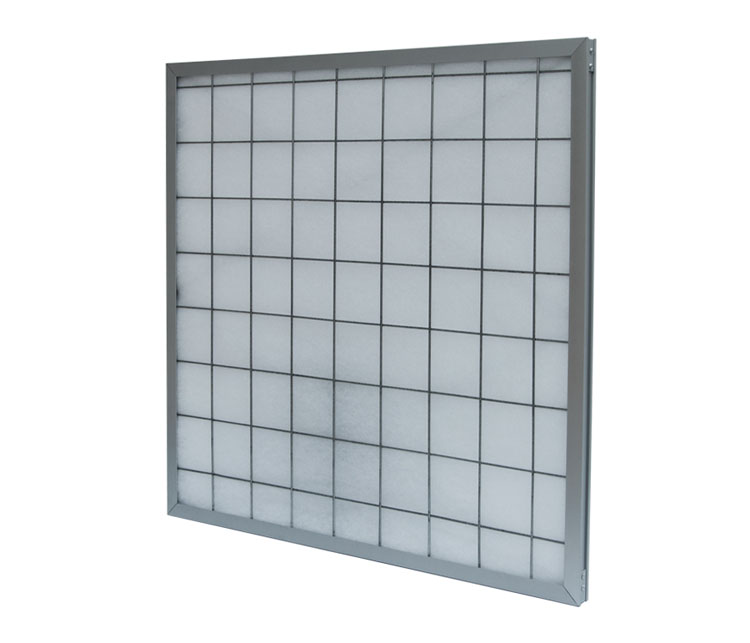
Pleated design gives more surface area in less space. That means better airflow and longer service life between replacements. Most modern pre filters use pleating for this reason.
Flat filters are older technology and less efficient, but cheaper.
Pre Filter Efficiency Ratings Explained
When you see a rating like “85% at 5 micrometers,” that means the filter catches 85% of particles 5 micrometers and larger. The other 15% pass through. That’s actually fine for pre filtration – you’re not trying to catch everything.
Understanding these ratings helps you choose appropriate filters.
Air Flow Rate Matters
A pre filter needs to pass air at required flow rates. If the filter’s too restrictive, it creates back pressure that affects system performance. Efficiency doesn’t matter if the filter blocks needed airflow.
When you buy Pre Filter units, check they’re rated for your system’s required airflow.
Pressure Drop Across Pre Filters
As a pre filter loads with particles, it creates increasing resistance to airflow. This pressure drop increases until the filter needs replacement. Modern filters are designed to signal when this happens.
Understanding pressure drop helps you know when to replace a pre filter.
Installation Considerations
Pre filters need proper installation – correct orientation, proper sealing, good frame-to-housing contact. A poorly installed filter creates bypass where unfiltered air sneaks around the filter.
Install them correctly or they’re not doing their job.
TOPTEC Laboratory Filtration Products
When you’re looking at laboratory furniture and air handling, TOPTEC manufactures these products in Pakistan. They understand what labs need because they’re making equipment labs use.
When you buy Pre Filter products from TOPTEC, you’re getting components designed with laboratory applications in mind.
Pakistani Manufacturing Quality
Pakistan’s got serious manufacturing capabilities for precision equipment. TOPTEC’s part of that. They produce quality pre filters at competitive prices because of manufacturing efficiency, not by cutting corners.
I’ve learned talking to labs that source from Pakistan – quality’s solid and pricing’s reasonable.
Sourcing Filters Regionally
Working with a manufacturer in your region makes sense. Shipping’s shorter, lead times are better, and communication’s easier. TOPTEC manufactures laboratory equipment in Pakistan and can support regional customers effectively.
When you buy Pre Filter products from a regional manufacturer, you get better support.
Integration with Existing Systems
Pre filters need to integrate with whatever system they’re protecting. Wrong size, wrong connection type, wrong efficiency rating – and you’ve got problems. This is why knowing your system specifications matters.
Before you buy, verify compatibility.
Replacement Scheduling
Set reminders for pre filter replacement. Track how often they’re getting changed. Most systems have documentation about recommended replacement frequencies.
When you buy Pre Filter units in bulk, you ensure you’ve got spares available when needed.
Cost Analysis of Pre Filtration
Do the math. How much do pre filters cost? How much do main filters cost? How much longer do main filters last with pre filtration? The numbers usually favor using pre filters.
It’s one of the few cases where better engineering actually costs less overall.
Bulk Purchasing Makes Sense
If you operate equipment consistently, buying pre filters in bulk makes sense. You’ll use them. Better to have them on hand than to scramble when you need them.
When you buy Pre Filter products in quantity, you typically get better pricing anyway.
Documentation is Important
Keep records of when pre filters are installed and replaced. This matters for compliance in regulated environments. It also helps you understand your contamination patterns.
If you’re replacing pre filters constantly, something else might be wrong – outdoor air quality, system sealing, whatever.
Troubleshooting Filtration Problems
If your main filter’s loading fast, check your pre filtration first. Maybe pre filters need changing more frequently. Maybe you need finer pre filters. Maybe there’s a bypass problem.
Pre filters are usually the first place to look when filtration performance is off.
Environmental Considerations
Most modern pre filters are recyclable or disposable safely. Some are washable and reusable, which reduces waste. Consider environmental impact when choosing pre filter types.
When you buy Pre Filter products, think about disposal or reuse options.
Contamination Control Starts with Pre Filtration
Whether it’s HVAC, water treatment, or industrial processes, contamination control starts with pre filtration. Get this right and everything downstream works better.
This is foundational stuff.
The Role of Pre Filters in Cleanroom Operations
Cleanrooms require multiple stages of filtration. Pre filtration is the first stage that protects everything else. Without proper pre filtration, achieving and maintaining cleanliness levels becomes impossible.
This is why pre filters matter in regulated environments.
Water Quality and Pre Filtration
In water treatment, pre filtration determines water quality downstream. Remove sediment and particles early, and your fine filters and treatment processes work properly.
Skip this step and you’re fighting problems throughout your system.
Pre Filters in Compressed Air Systems
Compressed air systems use pre filtration to remove water, oil, and particles from the air stream. This protects downstream equipment and maintains air quality.
Pre filters are essential components in these systems.
Humidity Control Related to Pre Filtration
In HVAC systems, pre filters sometimes include features related to humidity management. Understanding how pre filters interact with humidity control helps you maintain proper conditions.
When you buy Pre Filter units for HVAC, consider humidity implications.
Energy Efficiency and Pre Filters
A clean pre filter uses less energy than a clogged one. Regular replacement maintains system efficiency. This is actually a cost argument for staying on top of pre filter maintenance.
Good maintenance saves energy.
Regulatory Compliance and Pre Filters
In regulated industries, documentation of filter maintenance is required. You need to track pre filter replacement. This creates an audit trail proving your system was properly maintained.
When you buy Pre Filter products for regulated applications, get documentation.
Sourcing from TOPTEC
TOPTEC manufactures laboratory furniture and equipment in Pakistan. They have experience with all types of filtration applications. When you need pre filters for laboratory air handling, water treatment, or other applications, they can supply what you need.
They understand the complete picture of laboratory operations.
Connecting Your Equipment Needs
Think about what equipment you have. Think about what filtration it requires. Research suppliers like TOPTEC who manufacture laboratory equipment and understand your needs.
When you buy Pre Filter units, work with suppliers who understand your complete system.
Building a Reliable Supply Chain
Rather than scrambling for filters when you need them, develop a relationship with a reliable supplier. TOPTEC can provide consistent supply of quality filters.
Regular ordering, documented specifications, proven quality – that’s the foundation of a reliable supply chain.
Understanding Your System’s Contamination
What’s actually contaminating your system? Dust? Sediment? Debris? Understanding this determines what pre filter you need.
Different contamination requires different filtration approaches.
Multi-Stage Filtration Strategy
Sophisticated operations use multiple filtration stages. Pre filters are the first stage. Understanding how all stages work together helps you maintain proper system performance.
This is especially important in regulated environments and critical applications.
Pre Filters as Preventive Maintenance
Installing and maintaining pre filters is preventive maintenance. You’re preventing problems downstream by addressing contamination early.
This is way smarter than dealing with clogged expensive filters or equipment damage.
Simple but Important
Pre filters aren’t complicated technology. They’re simple mechanical filters that catch particles. But their role in system performance is critical.
When you buy Pre Filter products, you’re investing in system reliability.
Final Thoughts on Pre Filtration
Pre filters aren’t mysterious. They’re essential components that catch the bulk of contamination so your main filters and systems work properly. Replace them on schedule. Choose appropriate types for your application. Work with reliable suppliers.
That’s honestly the foundation of good filtration strategy.
Why TOPTEC Matters for Your Laboratory
TOPTEC manufactures laboratory furniture and equipment in Pakistan. When you’re setting up or maintaining laboratory systems, working with a manufacturer that understands complete lab operations makes sense.
They can support your needs across equipment and consumables.
Reaching Out to TOPTEC
If you’re looking at laboratory furniture, equipment, or filtration products, TOPTEC manufactures these in Pakistan. Talk with them about your laboratory requirements. Figure out what makes sense for your situation.
When you buy Pre Filter products and other laboratory equipment from them, you’re working with a manufacturer that understands what you’re trying to accomplish.
