

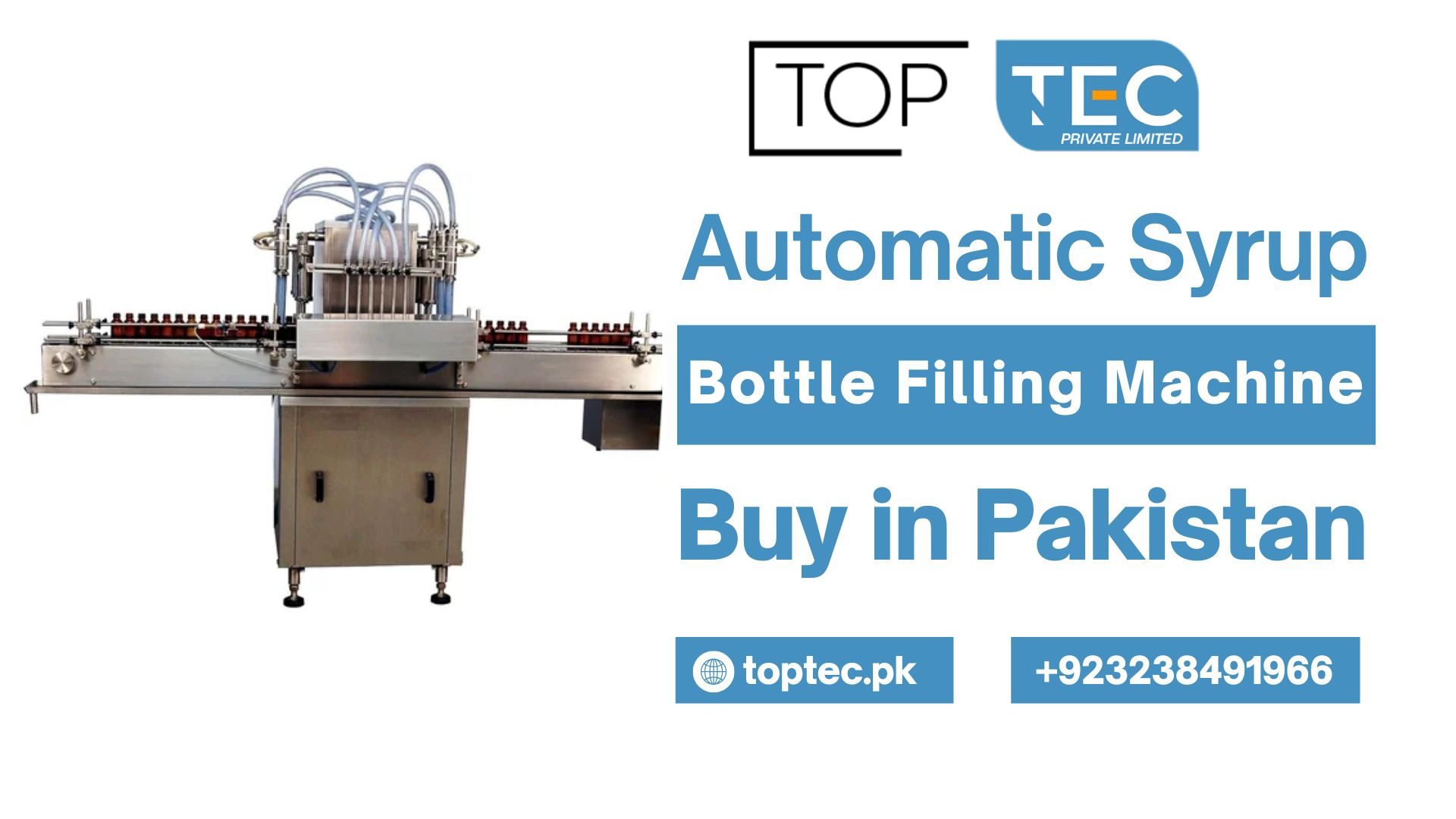
Explore automatic syrup filling machines with no bottle no fill system, anti-drip nozzles, and servo-driven piston or peristaltic pumps. Capacities from 2,400 to 12,000 BPH for viscous syrups, honey, and oral suspensions. Compare specifications and get pricing.
Look, I’m going to be honest with you right from the start. I’ve spent a ton of time hanging around pharmaceutical manufacturing facilities, and if I had to pick one thing that separates successful operations from the ones that constantly struggle, it’s the equipment they choose. Seriously. It’s that important.
I’ve seen places do incredible work despite having older equipment, but honestly, they’re fighting an uphill battle the whole time. On the flip side, I’ve watched facilities transform once they upgraded to the right machinery. Among everything I’ve researched and actually watched in action, peristaltic pump syrup fillers genuinely stand out. Especially when you’re dealing with formulations that are finicky—products that can’t handle getting shoved through a pump like water going through a hose.
Let me tell you what I’ve learned about this stuff.
Understanding the Basics: What Makes Peristaltic Pumps Different
Okay, so when I first heard about peristaltic pumps, honestly, I thought the concept sounded too simple. Like, how could something so straightforward actually be better than the industrial pumps everyone else uses? Then I actually learned how they work, and it made total sense.
Most pumps work by just… pushing. They create a ton of pressure, squeeze your liquid through tight spaces, and boom, it comes out the other side. Fine for water or milk or whatever. But syrups? That’s completely different.
A peristaltic pump basically copies what your body does when you swallow. You know that squeezing motion that moves food down your throat? That’s called peristalsis. The pump does the same thing with a tube. Rollers go around the tube and squeeze it in a wave pattern—one after another—and the liquid just travels along smoothly inside. No crazy pressure. No beating the product up. Just smooth, gentle movement.
What’s actually amazing about this is what doesn’t happen. There’s no pressure spike that could mess with delicate ingredients. There’s no turbulence. There’s no violent squeezing that damages molecules. The liquid basically gets treated respectfully while it’s being moved.
This is huge when you’re thinking about whether to buy automatic syrup filling machine equipment. You’re not just getting something that moves liquid faster. You’re getting a whole different philosophy about how to handle your product.
Why Sensitive Formulations Need Special Care
Here’s something I figured out by actually talking to people who make these products: every syrup is different, and treating them all the same is a recipe for problems.
Some pharmaceutical syrups have live bacteria in them—probiotics, basically. These little cultures are literally alive, and when you push them through aggressive pumps, the mechanical stress messes them up. I know a guy who worked at a facility that was doing this, and they didn’t understand why their probiotic products weren’t working as well as they should. The bacteria were getting damaged in the manufacturing process itself. Once they figured that out, it was kind of a lightbulb moment.
Then you’ve got syrups with essential oils and plant extracts. These things are basically unstable. They break down when they get exposed to heat or air. When a traditional pump forces them through under pressure, the friction creates heat, and all that turbulence introduces air. Both of those things destroy your active ingredients. Your shelf life goes down, and your product effectiveness gets reduced.
Some formulations have stuff floating in them—minerals, herbs, different therapeutic components. When you run these through a high-pressure pump, the particles settle differently or separate from the liquid. You end up with bottles that look different from each other. One has more color, another has less. That’s a quality control nightmare.
And then—and this one’s interesting—there are formulations with enzymes. Enzymes are proteins, right? Proteins absolutely fall apart when you stress them mechanically. An enzyme-based digestive syrup that gets forced through a harsh pump might be significantly less effective by the time it reaches your customers. The damage happens right there in your manufacturing facility.
This is exactly why smarter companies have gradually moved toward gentler filling methods. When you buy pharmaceutical syrup filling machine equipment based on peristaltic technology, you’re basically protecting your product through the entire filling process.
The Sterility Advantage: Critical for Pharmaceutical Production
Alright, I need to be really clear about something because it’s important: contamination in pharmaceutical products isn’t just bad. It’s serious. It affects your regulatory compliance, it destroys your brand reputation, it impacts customer trust, and potentially it could affect patient health. That’s not exaggeration—that’s just reality.
I’ve witnessed facilities deal with contamination incidents, and it’s genuinely rough. First, there’s the immediate panic of pulling products, calling customers, dealing with regulatory agencies. That’s stressful enough. Then there’s the longer-term damage—people remember when you had a contamination problem. It takes years to rebuild that trust.
What’s actually really smart about peristaltic pump systems is that they’re just inherently cleaner from a design standpoint. Traditional pumps are complicated inside—lots of different chambers and tight spaces where bacteria can hide or where residue gets stuck. Peristaltic systems? They’re beautifully simple.
The only thing that actually touches your syrup is the tube. That’s it. When you buy laboratory furniture and filling equipment from a good manufacturer like TOPTEC Scientific, these tubes are either used once and thrown away, or you sterilize them in an autoclave between batches. Super straightforward. You don’t need to take apart some complicated machine and clean a bunch of hidden passages.
Quality pharmaceutical-grade peristaltic fillers give you a bunch of sterility advantages:
You can sterilize the tubes easily: Pop them in an autoclave and you’re done. Or just use new ones every time. It’s that simple.
There’s basically no dead space: This is technical language for “leftover liquid hanging around after pumping stops.” Complex pump designs have all these little pockets where liquid can sit and either degrade or grow bacteria. Peristaltic systems don’t have this problem.
You can run automated cleaning between batches: Modern systems integrate with cleaning cycles. Everything runs automatically. No taking things apart.
Nothing metallic touches your product: Regular pumps have metal internals that can corrode and shed particles. Peristaltic systems just use soft tubing, so that’s not a concern.
I actually talked with a quality assurance woman at a pharmaceutical facility who switched their equipment to peristaltic fillers. She told me something that stuck with me: their contamination-related batch rejections went from about 8% down to less than 1% in the first year. Think about that. That’s not just a minor improvement—that’s a complete transformation of how their operation runs.
TOPTEC Scientific: Pakistan’s Leader in Pharmaceutical Equipment Manufacturing
Okay, so here’s something I want to really emphasize because I think it gets overlooked: you don’t necessarily need to buy equipment from overseas. Pakistan actually has developed real expertise in pharmaceutical equipment manufacturing, and TOPTEC Scientific is honestly at the quality end of that spectrum.
I keep bringing up TOPTEC specifically because there are genuinely valuable advantages to working with local manufacturers that people sometimes miss.
They’re actually nearby: When something needs attention, they’re not on the other side of the world. You get real technical support in a reasonable timeframe. Not days of email back-and-forth, not dealing with time zones where you’re trying to explain your problem at 3am their time.
They know Pakistani regulations inside and out: These guys work with Pakistani pharmaceutical standards every single day. They understand how regulations get interpreted here. They know what inspectors are actually looking for.
They’ll actually customize stuff for you: Because they work directly with local manufacturers, they understand the specific challenges you face. They can modify equipment to solve your actual problems, not just make generic stuff.
The pricing makes sense: No import taxes, no international shipping costs, no currency exchange games. Your costs are transparent and reasonable. Your total investment is lower.
They actually understand your environment: TOPTEC tests equipment in facilities like yours. They get Pakistan’s climate, the water chemistry, the power conditions—all the practical stuff that matters. Their equipment is built to work in your actual operating reality.
When you buy pharmaceutical syrup filling machine equipment from TOPTEC, you’re working with people who understand your market and want you to succeed because your success reflects on their reputation locally.
Technical Specifications That Matter
Let me walk through some stuff you should understand when you’re looking at peristaltic pump syrup fillers. This isn’t rocket science, but knowing what these things mean helps you make a smarter decision.
Flow rate capacity: This is basically how much syrup the pump moves per minute. If you’re filling 5,000 bottles a day and each bottle is 100ml, you need enough capacity to handle that. It’s measured in liters per hour usually.
Tube diameter: This affects how fast it can go and how thick of a syrup it can handle. Bigger tubes move thicker stuff better but might not be as precise for small bottles. Smaller tubes give you accuracy but might struggle with really viscous formulations.
Rollers and compression setup: Quality systems use multiple rollers that squeeze smoothly without creating sudden pressure spikes. More rollers generally mean smoother operation and gentler handling.
Speed control: You want to be able to adjust how fast it runs. Sometimes you want to fill bottles quickly for big production runs. Other times you want to slow down for delicate formulations or when you need maximum accuracy.
What the tubes are made of: Different syrups need different tube materials. Some formulations can degrade certain plastics. Good manufacturers give you options.
How accurate it is: Can it consistently fill within 2% of target? 1%? For pharmaceuticals, precision is non-negotiable. You need reliability.
Real-World Performance: What Actually Happens in Production
I’ve actually spent time in real pharmaceutical manufacturing facilities watching these systems work, and I want to share what I’ve seen because it’s relevant.
There’s this one facility filling an herbal cough syrup with botanical particles suspended in it. With their old equipment, the particles kept separating and settling unevenly. Some bottles ended up darker, some lighter. It was inconsistent and looked bad. Once they switched to the peristaltic system, the gentle handling kept everything suspended properly. Every bottle looked the same and had consistent composition. That solved a quality issue they’d been dealing with for literally months.
Another place makes a probiotic syrup. Their old pump was mechanically stressing the bacteria. They didn’t have hard data at first, but customers kept saying the product wasn’t as effective as expected. They switched to peristaltic equipment, and suddenly customer feedback improved noticeably. The product actually did what it was supposed to do because the manufacturing process wasn’t killing the bacteria.
There’s also a facility making a digestive enzyme syrup. With their old equipment, the enzymes were breaking down and the product lost potency within a few months. After switching to peristaltic filling and better handling, shelf life extended from basically nothing to two years with maintained effectiveness. That’s a huge difference for their business.
I could keep going with examples, but the pattern is always the same. When you buy automatic syrup filling machine equipment that treats products gently, you consistently get better results.
Integration with Your Existing Facility
Here’s something people don’t always think about when they buy laboratory furniture and filling equipment: how does it actually fit into what you’re already doing?
Think about how your syrup gets to the filler. Is it coming from a big tank? Does temperature need to stay controlled? Is it pre-filtered? A good filling system needs to work with these upstream processes.
And downstream—after filling, what happens? Immediate capping? Cooling? Labeling? A quality system flows smoothly through your entire operation without creating bottlenecks or requiring awkward adjustments.
TOPTEC understands these practical integration points. They know how to make equipment that works with existing infrastructure. They can advise what modifications might be needed and help you optimize your whole production line.
Maintenance and Long-Term Operation
Something that doesn’t get discussed enough: what’s the reality after you buy the equipment? What does maintenance actually look like?
Peristaltic systems are genuinely low-maintenance compared to traditional pumps. The tubes wear out over time, but they’re designed to be replaced easily and cheaply. Most facilities just swap new tubes regularly rather than waiting for something to break.
There’s no complicated seals to maintain. No high-pressure components that fail. No intricate internal passages requiring constant attention. The simplicity means lower maintenance costs and less downtime.
I’ve talked with facility managers who specifically switched equipment because they were exhausted dealing with maintenance issues. Peristaltic systems gave them the reliability and simplicity they wanted.
Making the Decision: What You Should Actually Consider
When you’re really thinking about buying equipment, take your time. This is money, and you want to get it right.
Start by honestly looking at your current situation:
What do you actually need to produce?: How many bottles per day? What sizes? Where do you want to be in three years production-wise?
What are you filling exactly?: How thick is it? Does it have particles? Is it temperature sensitive? Could shear stress damage your active ingredients?
Where does it go?: Do you have space? Can you expand if needed?
Who’s operating it?: Can your team handle the training and operation required?
What’s your budget?: Be realistic. Remember that cheapest never means best value in pharmaceutical production.
What rules do you need to follow?: What certifications? What standards? What will regulators expect?
How much help do you need?: When you buy syrup bottling machine equipment, what kind of technical support do you actually require?
Once you’ve answered those questions, look at your options. Compare not just price, but:
- Specifications matching what you actually need
- Quality certifications and testing documentation
- References from similar facilities
- Training and support offered
- Warranty and service details
- Whether you can upgrade as you grow
Why Local Manufacturing Actually Matters
I keep bringing up TOPTEC because honestly, there’s something valuable about working with local manufacturers that gets overlooked. They’re not some distant corporation in another country. They’re people who understand your market, your specific challenges, and your actual goals.
When you buy pharmaceutical syrup filling machine equipment from TOPTEC, you get:
Equipment made for your environment: Pakistan’s climate, water quality, power situation—these things are factored into how they design equipment.
People who know the regulations: They navigate Pakistani pharmaceutical requirements every day. They know what inspectors look for. They understand the compliance landscape.
A real partnership: TOPTEC isn’t just trying to make a sale. They’re invested in your success because your success reflects on them locally.
Transparent pricing: No hidden import duties or shipping surprises. You know exactly what you’re paying.
Someone here for the long term: Years from now when you need replacement parts or advice, they’re still accessible, still knowledgeable, still committed to your facility.
Conclusion: Actually Making Your Operation Better
Look, peristaltic pump technology isn’t going to get you on the news or win awards for innovation. It’s not flashy. But it works. Consistently. It handles sensitive formulations gently, maintains proper sterility, and produces quality products batch after batch.
Whether you’re currently frustrated with contamination issues, dealing with product quality problems, managing inconsistency between batches, or just want to upgrade to better technology, peristaltic filling is genuinely a smart choice.
When you’re ready to move—when you’ve decided your current situation isn’t working—remember that you have excellent local options right here. TOPTEC Scientific manufactures pharmaceutical-grade peristaltic pump syrup fillers in Pakistan. They understand what you need, they offer fair pricing, they provide support you can actually reach, and they want your facility to succeed.
Whether you buy automatic syrup filling machine equipment for the first time or upgrade from what you’re currently using, choosing the right partner matters as much as choosing the right technology. TOPTEC handles both.
Take the time to look at your options properly. Talk to other facility managers who’ve made similar switches. Ask for demonstrations. Request specifications. But when you’re ready, seriously consider what local manufacturing excellence can offer. It might transform your operation in ways you don’t expect.
