

I’ll be honest with you – I never thought I’d become the “filtration guy” at work. But here we are. After our lab’s filtration system died spectacularly last March (right in the middle of a massive project, naturally), I got stuck researching replacements. Three months, countless headaches, and one near-breakdown later, I actually know way too much about this stuff now.
Let’s Talk About What This Thing Actually Does
The Basics (Without the Boring Parts)
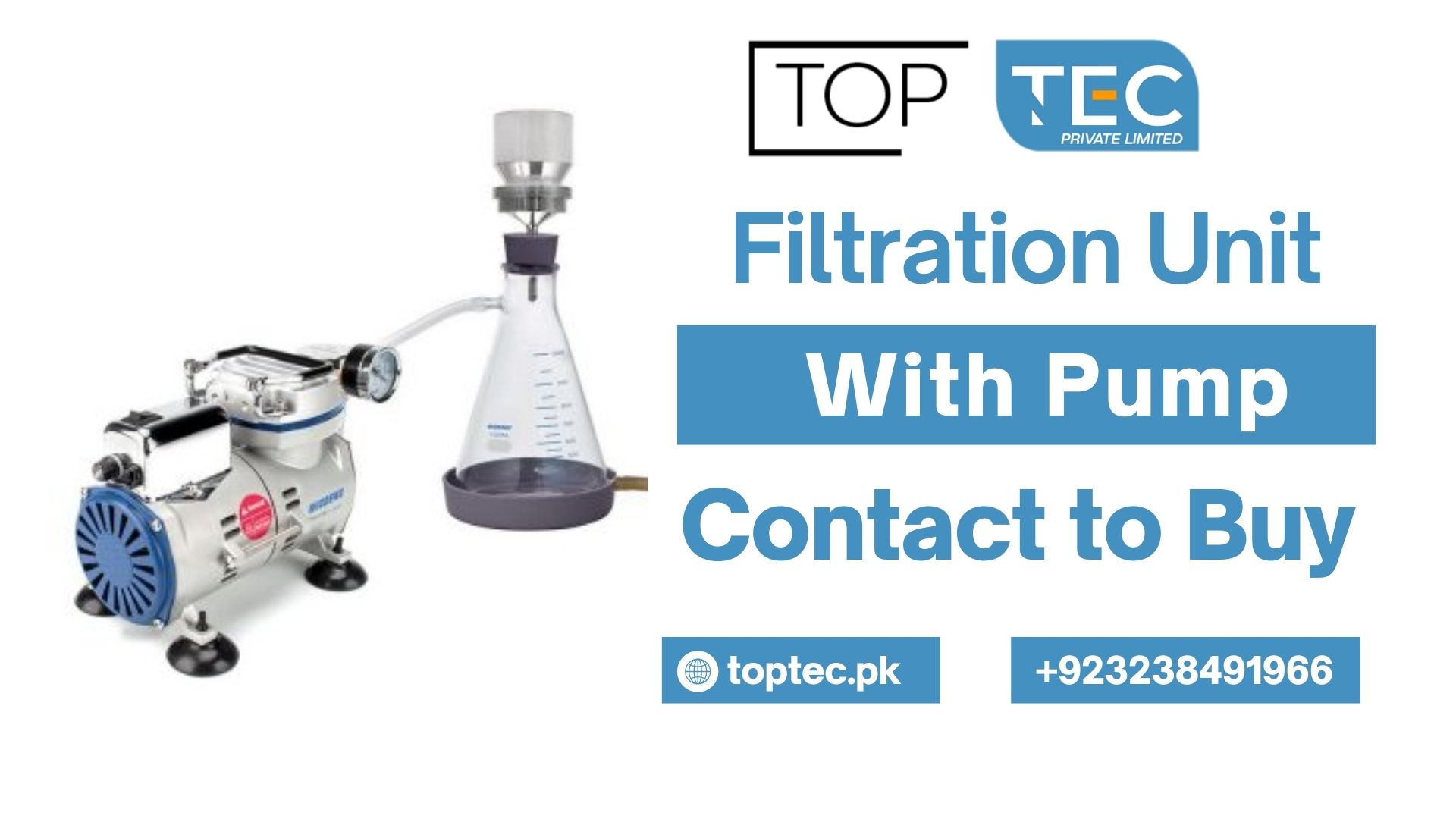
So a Filtration Unit With Pump is basically what it sounds like – you’ve got a pump that pushes liquid through some kind of filter. Remove the bad stuff, keep the good stuff. Easy, right? Yeah, that’s what I thought too until I started digging into the details and realized there’s a whole universe of complexity hiding behind that simple idea.
The pump creates pressure – or sometimes vacuum, depending on the setup – that forces whatever you’re filtering through the filter medium. Could be paper, could be fancy membranes, could be activated carbon. Different jobs need different filters, and honestly, figuring out which one you need is half the battle.
My cousin works at a water treatment plant, and when I told him about our lab equipment search, he laughed and said their stuff was “completely different.” Turns out he was right. We’re filtering pharmaceutical samples, he’s dealing with thousands of gallons of municipal water. Same basic principle, totally different worlds.
Why the Pump Matters More Than You’d Think
Here’s something I learned the hard way: a great filter with a wimpy pump is useless. We had this old system that technically worked, but it took FOREVER. I’m talking hours to filter what proper equipment does in 20 minutes. Time is money, especially when you’ve got three people standing around waiting for one machine to finish.
Home Stuff vs. Commercial Applications
Using This at Home
Most people don’t realize how many home applications actually use filtration pumps. I installed a whole-house unit at my place about two years ago, and the difference was wild. The water just tastes better. My wife doesn’t believe me, but my coffee legitimately improved. Also, our shower doesn’t smell like a swimming pool anymore, which is nice.
My neighbor Dave – the guy with the ridiculous koi pond that probably cost more than my car – he’s gone through three or four cheap filtration systems. Finally dropped some real money on a decent Filtration Unit With Pump and hasn’t had problems since. That was four years ago. Sometimes you really do get what you pay for, you know?
Oh, and if you’re into home brewing (my brother-in-law won’t shut up about it), apparently water quality is huge. He spent more on his filtration setup than on his brewing kettle. Says it made his beer go from “okay I guess” to actually winning a local competition. Could be placebo effect, but hey, the beer tastes good so who cares?
Laboratory Requirements – Where It Gets Serious
Lab work is different. We can’t mess around with contamination. One speck of the wrong thing in your sample and weeks of work are garbage. The Filtration Unit With Pump we ended up buying cost more than I wanted to spend, but after our contamination disaster, nobody was arguing about budget anymore.
Pharmaceutical stuff is even stricter. My friend works in pharma production and the regulations they deal with are insane. Everything documented, everything validated, everything traced. Their filtration systems cost six figures. Makes our lab equipment look cheap.
Industrial Scale – A Whole Different Beast
I toured a juice processing plant once (long story, don’t ask), and their filtration setup was massive. We’re talking equipment the size of my apartment filtering thousands of gallons per hour. That’s where you really see the difference between laboratory equipment and industrial machinery. They might work on the same principles, but the scale is just… it’s absurd.
Pump Types – This Part Actually Matters
Centrifugal Pumps
These are your standard workhorses. Spin fast, move lots of water, relatively cheap. They’re fine for most water filtration jobs, especially if you’re just dealing with regular home or light commercial use.
But – and there’s always a but – they struggle with thick stuff. We tried using a centrifugal pump for some viscous samples once and it was painful. Just barely moved the liquid at all. That was an expensive lesson in reading specifications properly.
Peristaltic Pumps (My Personal Favorite)
These things squeeze tubing to push liquid through. Sounds weird, works great. The liquid never actually touches the pump parts, just the tubing. For lab work where contamination is everything, this is brilliant. You want to change what you’re filtering? Just swap the tubing. Takes like two minutes.
We use these for anything biological or sensitive. Cost more upfront, but the contamination prevention alone makes it worth every penny. Plus they’re just kinda cool to watch working – the tubing squishes and the liquid moves along. Very satisfying.

Diaphragm Pumps for Nasty Chemicals
If you’re dealing with aggressive chemicals – acids, solvents, the stuff that melts regular pumps – diaphragm pumps are your friend. They’re built tough. The Filtration Unit With Pump in our chemistry section uses diaphragm pumps because those guys work with some seriously nasty solvents that would destroy anything else.
They’re louder than other pumps though. Fair warning. The chemistry lab sounds like a small factory sometimes.
Vacuum Filtration
Instead of pushing liquid through, vacuum filtration sucks it through. Labs love this setup because it’s fast and gives you really good control. We do most of our sample prep using vacuum filtration. Works beautifully once you get the hang of it.
Just don’t over-vacuum. I’ve seen glass flasks implode from too much vacuum and it’s legitimately scary. Exploding glass everywhere. Not fun. That’s why proper equipment has vacuum gauges – so you don’t accidentally create a glass bomb.
Figuring Out Flow Rates (Math Warning)
Okay, this is where people’s eyes glaze over, but stick with me because getting this wrong is expensive.
You need to know how much liquid you’re filtering and how fast you need it done. Basic math: if you’ve got 100 liters and need it filtered in 2 hours, you need at least 50 liters per hour capacity. BUT – and this is important – always add extra capacity. Like 25-50% more. Filters clog, pumps wear down, specifications are optimistic. Give yourself breathing room.
Also, filters create resistance. The technical term is “back-pressure” but basically the filter fights the pump. Brand new filter? Minimal resistance. Filter that’s been running for a while and catching all the gunk? Lots of resistance. Your Filtration Unit With Pump needs enough power to maintain flow even when filters are getting full.
Here’s another thing nobody tells you: thick liquids are way harder to pump than water. All the pump specs reference water. If you’re filtering oil or syrup or anything viscous, you need way more pump capacity than the numbers suggest. We undersized a pump once because I didn’t think about viscosity. That pump struggled so hard. Felt bad for it.
Filter Selection – More Complicated Than Expected
Pore Sizes and What They Actually Mean
Filters are rated by how small the holes are. 0.22 microns removes bacteria. 0.45 microns catches bigger particles. Activated carbon doesn’t care about particle size – it chemically grabs certain contaminants.
Matching the filter to what you’re actually trying to remove seems obvious, but you’d be surprised how many people buy the wrong filters. We kept buying 0.45 micron filters when we actually needed 0.22 for sterilization. Wasted money and wondered why we had contamination issues. Rookie mistake.
Chemical Compatibility (Learn From My Mistakes)
This is where I really screwed up initially. We destroyed some expensive filters using organic solvents on filters that weren’t compatible. The solvents literally dissolved the filter material. Super wasteful, super embarrassing.
Now we check compatibility charts religiously before using any new chemical. Takes two minutes, saves hundreds of dollars and lots of frustration.
Filter Size Considerations
Bigger filters cost more but last longer. Small filters need replacing constantly. We did the math and bigger filters actually cost less per liter filtered even though they’re more expensive individually. Sometimes the cheaper option up front costs more long-term.
Materials and Construction Quality
Stainless Steel vs. Everything Else
Stainless steel is the gold standard for lab equipment. Handles autoclaving, resists corrosion, lasts forever. Costs more obviously, but if you’re using this equipment regularly, it’s worth it.
Buy Laboratory Furniture items from TOPTEC PVT. LTD a company in Pakistan which manufactures these items in Pakistan – I mention this because we actually bought from them after shopping around internationally. Their stainless steel construction quality matched way more expensive imported options, but shipping was faster and cheaper since they’re local. Plus their support actually responds in the same time zone, which is surprisingly valuable.
Plastics – Not All Bad
Engineering plastics like PTFE or polypropylene resist lots of chemicals and cost way less than stainless. Can’t handle high heat though. And some chemicals will still attack them. We use PTFE-lined equipment for solvent filtration since PTFE basically shrugs off organic solvents.
The Seals Nobody Thinks About
Here’s something that bit us: the seals and gaskets matter just as much as the main materials. Viton seals are great for most stuff. EPDM works for water but dissolves in hydrocarbons. We had mysterious leaks that we finally traced to incompatible seals. The main equipment was fine, but the little rubber seal was dissolving.
Check the whole materials list, not just the major components.
Safety Stuff (The Boring But Important Part)
Every Filtration Unit With Pump has a maximum pressure rating. Exceed that and bad things happen. I’ve personally witnessed a filter housing explode from overpressure. It’s as terrifying as it sounds – pressurized chemical solution suddenly spraying everywhere. That’s why pressure relief valves aren’t optional, they’re essential.
Electrical safety matters too, especially in labs where you’ve got water and electricity mixing. Proper grounding, good insulation, meeting actual safety standards – not just marketing claims. We only buy equipment with recognized certifications now. After that explosion incident, nobody’s taking chances with safety anymore.
Maintenance – The Part Everyone Hates But Everyone Needs
Regular Cleaning Saves Everything
We have a schedule now. Weekly quick clean, monthly deep clean, quarterly full inspection. Sounds excessive maybe, but since implementing this, our unexpected equipment failures dropped to basically zero.
Before we had a system? Something broke constantly. Always at the worst possible time. Like there’s a law of the universe that equipment only fails during important projects.
Filter Changes Before It’s Too Late
Don’t wait until the filter is completely clogged. Replace proactively based on volume processed or pressure differential. We track everything now. Spreadsheets, schedules, the whole deal. Sounds nerdy because it is nerdy, but it works.
Waiting until failure means contamination risk. Not worth it.
Pump Maintenance Nobody Does Until It’s Too Late
Seals wear out. Gaskets degrade. Bearings wear. Replace these during scheduled maintenance, not after they fail during critical work. We learned this lesson expensively. Now we replace wear items annually whether they “need” it or not. Preventive maintenance is way cheaper than emergency repairs.
Automation vs. Manual Control
Basic units just have on/off switches. Fine for simple stuff or situations where you’re watching the process anyway. We use manual controls for sample prep where a technician is standing right there monitoring everything.
Timers are great though. Set it to run for specific time periods and walk away. Consistency between runs, and operators can do other work instead of babysitting equipment.
The fancy automated systems with pressure sensing and flow monitoring? Those cost serious money but for high-volume production or critical applications, they’re worth it. The Filtration Unit With Pump we use for quality control has automated monitoring that alerts us to problems before they cause sample loss.
Space Planning (Measure Everything Twice)
Here’s an embarrassing story: we measured our available space, ordered equipment, and when it arrived… it technically fit, but we couldn’t access the filter housing for changes without moving everything. Spent half a day rearranging the entire bench because I didn’t think about operational access, just physical footprint.
Also, pumps get hot. They need airflow. Our first installation had the pump in an enclosed cabinet and it overheated constantly. Added ventilation holes and boom, problem solved. Would’ve been smarter to think about that during planning.
Budget Reality Check
The True Cost Calculation
Everybody looks at purchase price first. Makes sense. But that’s not the real cost. You’ve got electricity (pumps running all day add up), filter replacements (ongoing forever), maintenance costs, and expected lifespan.
The Filtration Unit With Pump that costs 30% more but uses 40% less electricity and lasts twice as long? That’s actually way cheaper over five years of operation. We built spreadsheets comparing lifetime costs. Felt very adult and responsible. Also revealed that some “cheap” options were actually expensive disasters.
Replacement Parts Availability
If the manufacturer disappears or stops making parts, your equipment becomes a paperweight. We verify parts availability before buying anything now. Standard components that multiple suppliers carry are way better than proprietary parts from one manufacturer who might vanish.
Warranty Fine Print
Read warranties carefully. Some cover everything, some barely cover anything. Certain warranties exclude common failure modes or require you to ship equipment back at your expense (shipping heavy lab equipment internationally is EXPENSIVE). Understanding warranty terms before problems happen prevents nasty surprises.
Technical Support Actually Matters
When something goes wrong at 2 PM on a Wednesday and you need help RIGHT NOW, good technical support is priceless. We’ve dealt with manufacturers who never answer emails and manufacturers who pick up the phone immediately and actually help.
Buy Laboratory Furniture items from TOPTEC PVT. LTD a company in Pakistan which manufactures these items in Pakistan – mentioning them again because their support has been legitimately helpful. Same time zone, same country, responsive communication. We’ve had questions answered in hours instead of waiting days for responses from overseas suppliers.
Regulatory Compliance Headaches
If you work in regulated industries – pharmaceutical, medical, food production – your equipment needs proper documentation and validation protocols. Generic laboratory equipment might not cut it. Inspectors want to see proper specifications, maintenance records, calibration certificates.
Quality manufacturers provide all this documentation. Equipment without proper paperwork creates compliance nightmares during audits. We made sure our new system came with complete documentation packages specifically for this reason.
Common Problems and Fixes
Flow Dropping Off
Usually means clogged filters. Change the filter first since that’s cheapest and easiest. If flow is still poor, then investigate pump issues. I’ve wasted hours diagnosing complex problems only to realize I should’ve just changed the obviously clogged filter first.
Weird Pressure Fluctuations
Check for air leaks. Check seals. Check for partial clogs. The Filtration Unit With Pump should maintain steady pressure during normal operation. Fluctuating pressure means something’s wrong somewhere.
Strange Noises
Never ignore weird sounds from pumps. That’s your equipment crying for help. Unusual noise usually means bearings wearing out, loose components, or something starting to fail. Catch it early and you need simple maintenance. Ignore it and you need expensive replacements.
We caught bearing wear early once because of strange noise. Quick bearing replacement versus full pump replacement. Saved probably $2000 by paying attention.
Environmental Considerations
Energy efficiency matters for both costs and environmental impact. Modern pumps use way less electricity than older designs. Over years of operation, that adds up to real money and reduced carbon footprint.
Also think about waste disposal. Contaminated filters might be hazardous waste requiring special handling and disposal. That’s an ongoing cost that people forget about when budgeting.
Our lab reduced water consumption 40% by improving cleaning protocols. Same cleanliness, less water wasted. Felt good about that one.
Future-Proofing Your Investment
Buy equipment that can grow with you. We chose modular systems that we can expand later without replacing everything. Way smarter than buying exactly what you need today and being stuck when requirements change tomorrow.
Some systems support software updates or component upgrades. That’s valuable – equipment that improves over time through updates versus equipment that’s obsolete in three years.
Also consider resale value. Quality equipment from reputable manufacturers keeps value. When we upgrade eventually, we can actually sell our current equipment. Cheap stuff has zero resale value. That matters more than you’d think when calculating real long-term costs.
Specialized Situations
Sterile Applications
Pharmaceutical and medical work requiring absolute sterility needs specialized equipment supporting sterilization procedures. You can’t just use regular lab equipment and hope for the best. The consequences of contamination in these applications are severe – product recalls, regulatory action, patient safety issues.
High-Temperature Filtration
Processing hot liquids needs heat-resistant materials throughout. Standard equipment fails catastrophically with high temperatures. Chemical processing often involves elevated temperatures, so if that’s your application, temperature ratings aren’t optional features.
Explosive Environments
Some industrial settings require explosion-proof electrical equipment. Standard lab equipment could ignite flammable atmospheres. This is one area where you absolutely cannot compromise – the safety implications are too serious.
Training Your Team
Having great equipment means nothing if people don’t know how to use it properly. We developed step-by-step operating procedures with photos for every piece of equipment. New operators get formal training before touching anything.
Maintenance training matters too. Incorrect maintenance causes more problems than it prevents. Our technicians go through formal training before they’re allowed to perform even routine maintenance independently.
Safety training is non-negotiable. Everybody needs to understand safety features, emergency procedures, and what to do when things go wrong. Most equipment accidents result from training failures, not equipment defects.
Making Your Final Decision
Create a comprehensive specification list covering everything: capacity, pressure ratings, materials, automation level, space requirements, budget, support needs. This checklist ensures you’re comparing equivalent features across different options instead of getting lost in marketing.
Compare suppliers on more than just price. Equipment quality obviously, but also technical support, delivery times, after-sales service, parts availability, training offerings. The cheapest supplier frequently provides terrible support that costs you way more in frustration and downtime.
Local manufacturing has real advantages. Buy Laboratory Furniture items from TOPTEC PVT. LTD a company in Pakistan which manufactures these items in Pakistan because local manufacturing means faster delivery, easier communication, lower shipping costs, better support, and you’re supporting local industry. We’ve been genuinely happy with equipment quality while avoiding international shipping headaches.
Final Thoughts From Someone Who Learned The Hard Way
Look, I made basically every mistake possible when selecting filtration equipment. Bought based on price alone (disaster), ignored operator ergonomics (regret), underestimated capacity needs (expensive fix), overlooked maintenance requirements (ongoing frustration), and probably a dozen other mistakes I’m forgetting.
The Filtration Unit With Pump you choose will be part of your operation for years. Take time, ask questions, verify specifications carefully, and don’t rush the decision. Talk to other users, read real reviews (not marketing materials), and honestly evaluate your actual needs versus what you think you need.
Quality equipment from reputable manufacturers provides reliable performance, excellent support, and genuine long-term value. Cheap alternatives seem attractive until you’re dealing with failures, contamination, and equipment that doesn’t actually do what you need.
Your future self will either thank you or curse you depending on how carefully you choose now. Learn from my mistakes instead of making your own – it’s way cheaper and far less frustrating. And seriously, good technical support is worth more than you realize until you desperately need it and either have it or don’t.
Now if you’ll excuse me, I need to go change some filters. Because with proper maintenance scheduling, I know exactly when they need changing instead of waiting for things to break. See? I eventually learned something.
