


The Labconco Biosafety Cabinet gets these fundamentals right. I’ve been around laboratory equipment for quite some time now, and if there’s one thing I’ve learned, it’s that not all biosafety cabinets are made equal. Some look great on paper but fall apart within a few years. Others keep running decade after decade without major issues. The Labconco Biosafety Cabinet falls into that second category, which is exactly why so many lab managers keep coming back to this brand.
Let me walk you through what makes the Purifier and Logic+ Series worth considering if you’re in the market for Class II cabinets. I’ll try to keep things practical rather than drowning you in technical jargon.
What Actually Makes a Good Biosafety Cabinet?
Here’s the thing about biosafety cabinets that most sales brochures won’t tell you straight up. The fancy features don’t matter much if the basic engineering isn’t solid. A biosafety cabinet needs to do three jobs simultaneously. It has to protect you from whatever nasty stuff you’re working with inside. It has to protect your samples from contamination floating around in the lab. And it has to keep the lab environment clean from anything that might escape the work area.
Sounds simple enough, right? But getting all three of these things working together through airflow patterns and filtration is genuinely tricky engineering. I’ve seen cheaper cabinets where the airflow looked good on the spec sheet but created dead zones in actual use. That’s a recipe for contaminated experiments or worse.
The Labconco Biosafety Cabinet gets these fundamentals right. The company has been at this since 1925, so they’ve had plenty of time to work out the kinks. Their airflow patterns have been tested and refined over literally decades of real-world use.
Breaking Down the Class II Types
Before we get into specific Labconco models, you need to understand what the different Class II types actually mean for your work. I see people get confused about this all the time, and choosing wrong can create real problems down the road.
Type A2 cabinets are what most labs end up buying. They recirculate about 70% of the air back into the room after running it through HEPA filters, and exhaust the other 30%. You can also hook them up to building exhaust if you want. They’re versatile and work for most microbiological work.
Type B2 is a different animal entirely. These exhaust 100% of the air outside the building with zero recirculation. You need this setup when working with volatile chemicals alongside biological materials, or when handling radioactive stuff. The catch is they require dedicated ductwork, which makes installation significantly more expensive and complicated.
Type C1 is the newer kid on the block. These can switch between Type A and Type B operation modes, which sounds great on paper. Whether you actually need that flexibility depends on how varied your research program is.
The Labconco Biosafety Cabinet lineup covers all these types, so you’re not locked into a single configuration regardless of what your lab needs.
The Purifier Series: Why It’s Popular
I’ve seen Purifier cabinets still running strong after fifteen or even twenty years of daily use. That kind of longevity isn’t accidental. Labconco builds these things with heavy-gauge steel and continuously welded seams. There are no gaps or crevices where gunk can accumulate and become impossible to clean.
The interior work surfaces are stainless steel, which holds up well to the constant wiping and chemical exposure that comes with lab work. I know some cheaper cabinets use coated surfaces that start peeling after a few years of disinfectant exposure. That’s not something you want happening in equipment designed to keep you safe.
What really sets the Purifier apart in daily use is the ergonomic design. If you’ve ever spent six hours straight working inside a biosafety cabinet, you know how much the little things matter. Comfortable arm position, adequate legroom, good lighting without glare on the work surface. The Purifier gets these details right in ways that make a real difference during long procedures.
The airflow engineering deserves mention too. A Labconco Biosafety Cabinet uses downward laminar flow over the work surface combined with air curtains at the front opening. This creates protective barriers without the turbulence that can dry out samples or blow lightweight materials around. Getting these velocities right requires careful calibration, and this is an area where Labconco’s experience shows.
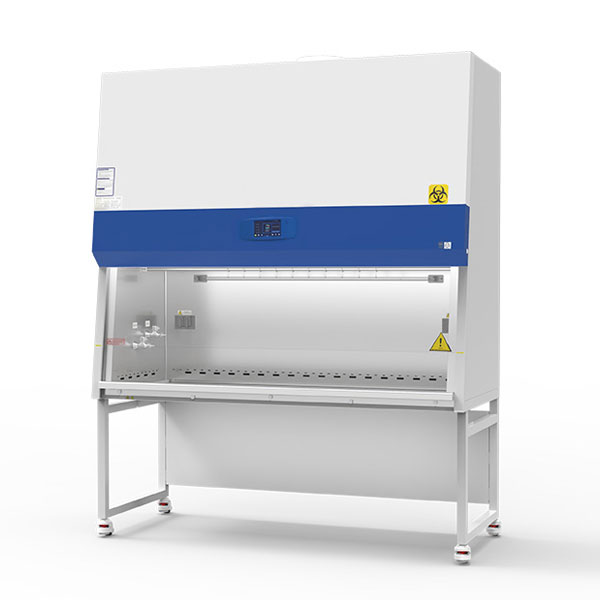
Logic+ Features: Worth the Extra Cost?
The Logic+ designation on Labconco cabinets indicates their more advanced monitoring and control systems. Whether these features justify the price premium depends entirely on your situation.
Here’s what you get with Logic+ that you don’t get with basic models. Real-time monitoring of airflow velocity, filter status, and sash position with digital displays showing current readings. Automated alarms when anything drifts outside acceptable ranges. Filter tracking that predicts replacement needs based on actual loading rather than arbitrary time intervals. Data logging for facilities that need documentation for regulatory compliance.
For a teaching lab or small research operation, honestly, you might not need all this. The basic Purifier works fine and costs less.
But if you’re in a regulated environment where documentation matters, or if you’re running multiple cabinets and can’t have someone constantly checking each one, the Logic+ features earn their keep. The Labconco Biosafety Cabinet with Logic+ technology basically watches itself and tells you when something needs attention. That’s valuable when you’ve got other things demanding your focus.
The Purifier Logic+ Class II Type A2 is probably their most popular model overall. It hits the sweet spot between capability and cost for most research and clinical labs.
Type B2 Configurations: When You Actually Need Them
I want to spend a minute on Type B2 cabinets because I see people either over-specifying or under-specifying these pretty regularly.
You need a Type B2 Labconco Biosafety Cabinet when you’re working with volatile toxic chemicals alongside biological materials. Chemotherapy drug preparation is a classic example. So is work with certain radionuclides. In these situations, you cannot have any recirculation because even trace chemical vapors accumulating in the lab create hazards.
The Purifier Logic+ Class II Type B2 handles these applications well, but understand what you’re getting into with installation. You need dedicated exhaust ductwork running outside the building. That means penetrations through walls and roof, exhaust fans, and associated controls. The installation cost can easily exceed the cabinet cost depending on your building configuration.
Operating costs are higher too since you’re constantly exhausting conditioned air. Your HVAC system works harder year-round.
Don’t buy Type B2 unless your application genuinely requires it. For standard microbiological work without volatile chemicals, Type A2 is more practical and economical.
The Axiom Type C1 Option
Labconco’s Axiom series gives you operational flexibility that might make sense for certain facilities. A Type C1 cabinet can run in either Type A mode with recirculation or Type B mode with total exhaust, depending on what you’re doing that day.
The idea is that you might handle standard microbiology work most of the time but occasionally need to work with volatile compounds. Rather than buying two separate cabinets, you get one that switches modes.
In practice, I think this makes sense for labs with genuinely diverse research programs. If you’re doing the same type of work day in and day out, a dedicated Type A2 or Type B2 is simpler and cheaper. The flexibility of Type C1 isn’t free, both in purchase price and installation complexity since you need exhaust ductwork even if you’re not using it constantly.
Installation: Getting It Right
Here’s where I’ve seen people make expensive mistakes. A Labconco Biosafety Cabinet can be perfectly engineered, but if you install it wrong, you won’t get the performance you’re paying for.
Location matters more than most people realize. You want the cabinet away from doors, high traffic areas, air supply diffusers, and anything else that creates air disturbance. The protective airflow patterns inside the cabinet depend on relatively calm air outside. Put the cabinet next to a door that opens constantly and you’re compromising containment every time someone walks through.
Electrical service needs to match cabinet requirements. Most models need dedicated circuits. If you’re in a facility where power reliability matters, think about backup power. Losing power during a procedure with hazardous materials is not a situation you want to be in.
For Type A2 cabinets connecting to building exhaust through canopy connections, the exhaust system needs adequate capacity. Undersized exhaust defeats the purpose of the connection.
Type B2 installations are a whole different level of complexity. The ductwork design, exhaust fan sizing, and integration with building HVAC systems all require careful engineering. Don’t try to cut corners here.
After installation, you need commissioning testing by certified technicians using calibrated instruments. This verifies that the cabinet actually performs within specifications. Keep the documentation because you’ll need it for compliance purposes and as a baseline for future annual certifications.
Keeping Your Cabinet Running Right
Maintenance isn’t glamorous but it’s essential. A neglected biosafety cabinet is a safety hazard waiting to happen.
Daily maintenance is straightforward. Check that the blower is running and airflow indicators look normal before you start work. Inspect the work surface for damage. Wipe everything down with appropriate disinfectant before and after use. This takes maybe five minutes and should become automatic habit.
Weekly tasks include cleaning exterior surfaces, checking filter condition visually, and verifying alarm systems still work. Monthly you might check UV lamps if your cabinet has them.
Annual certification by qualified technicians is non-negotiable. They’ll test airflow velocities, filter integrity, and containment performance using standardized methods. This catches problems before they become safety incidents.
HEPA filter replacement frequency depends on your usage patterns and lab environment. Some filters last three years, others last ten. The Labconco Biosafety Cabinet monitoring systems help predict when replacement is needed rather than relying on arbitrary schedules.
Filter changeout is potentially hazardous because you’re dealing with accumulated contaminants. Decontamination before filter access and proper PPE are essential. Many facilities bring in professional services for this rather than handling it in-house.
How Labconco Compares to Other Brands
I should mention that Labconco isn’t the only player in biosafety cabinets. Thermo Fisher, Baker, NuAire, and Esco all make competitive products. Each has strengths in different areas.
What I like about Labconco specifically is their American manufacturing, which means parts availability and service support tend to be reliable. Their dealer and service network is well established. And their track record for durability is excellent based on what I’ve seen in the field.
That said, evaluate specific models against your specific requirements rather than just picking a brand. Get quotes from multiple sources. Compare warranty terms and service availability in your area. A great cabinet with no local service support isn’t actually a great deal.
Troubleshooting Common Problems
Even well-maintained equipment develops issues occasionally. Knowing how to recognize and respond to common problems saves time and keeps your lab safe.
Airflow Alarm Issues
Airflow alarms are probably the most frequent issue you’ll encounter with any Labconco Biosafety Cabinet. When the alarm sounds, don’t panic but don’t ignore it either. First check the obvious stuff. Is the sash at the correct height? An open sash changes the airflow dynamics and triggers alarms even when nothing is actually wrong. Are there obstructions blocking the front grille or rear exhaust slots? I’ve seen people accidentally push materials over these openings without realizing the problem they’re creating.
Filter Loading Problems
If the sash position is correct and nothing is blocking airflow, you might have a filter loading issue. As HEPA filters accumulate particles over time, resistance increases and the blower has to work harder to maintain velocity. Eventually the motor can’t compensate anymore and airflow drops below acceptable levels. This is a gradual process that the Logic+ monitoring should catch before it becomes critical, but basic models without continuous monitoring can surprise you.
Blower Motor Failures
Blower motor problems show up as unusual noise, vibration, or complete failure to start. Motors do wear out eventually, typically after ten to fifteen years of continuous use. Bearings going bad create grinding or squealing sounds that get progressively worse. If you hear anything unusual, shut down and call service rather than running the motor to destruction.
UV Lamp Replacement
UV lamp failures are common simply because the bulbs have limited lifespan, usually around 8,000 to 10,000 hours of use. The tricky part is that UV bulbs often continue to produce visible light even after their germicidal output has dropped below effective levels. Replace on schedule rather than waiting for complete failure.
Sash Mechanism Problems
Sash problems range from minor annoyances to serious safety issues. The sash should move smoothly and stay where you put it. If it’s sticking, dropping, or drifting, the counterbalance system needs adjustment. A sash that won’t stay at proper working height is more than inconvenient because it affects containment.
Electrical Concerns
Electrical issues like tripped breakers or blown fuses often indicate problems elsewhere. Before just resetting and continuing, think about what might have caused the trip. Overloaded circuits, failing motors drawing excessive current, or wiring problems all manifest as electrical trips. Repeated trips without obvious cause warrant professional investigation.
Understanding Certification Requirements
Annual certification isn’t just bureaucratic box-checking. The testing actually verifies that your Labconco Biosafety Cabinet still performs within safety specifications after a year of use.
NSF/ANSI 49 Standard
NSF/ANSI 49 is the standard that governs Class II biosafety cabinet certification in North America. Certified cabinets have been tested to demonstrate they meet specific performance criteria for personnel protection, product protection, and cross-contamination prevention. Field certification annually verifies the cabinet still meets these criteria in your actual installation environment.
What Certification Testing Includes
What happens during certification testing? The technician measures downflow velocity across the work surface to verify uniform laminar flow within specified ranges. They measure inflow velocity at the front opening to confirm adequate containment. Filter integrity testing using aerosol challenge confirms the HEPA filters haven’t developed leaks. Airflow smoke patterns visualize the protective air curtain and internal circulation.
Additional Regulatory Requirements
Some facilities also require additional testing beyond the NSF standard. Pharmaceutical compounding operations under USP 797 and USP 800 have specific requirements. Research with select agents triggers CDC/APHIS oversight with additional documentation needs. Know what your regulatory environment requires and make sure your certification covers everything.
Documentation and Record Keeping
Keep certification records permanently. You’ll need them for regulatory inspections, incident investigations, and demonstrating due diligence. The documentation should include test results, instrument calibration certificates, and technician qualifications.
Certification Costs
Certification costs typically run $300 to $600 per cabinet annually depending on your location and any additional testing required. Some facilities negotiate service contracts that bundle certification with preventive maintenance at reduced overall cost.
Energy Efficiency Considerations
Laboratory equipment represents a significant portion of building energy consumption, and biosafety cabinets are among the bigger users. A typical Class II cabinet draws 500 to 1,500 watts continuously, and they often run 24/7.
Understanding Energy Consumption
The math gets interesting when you multiply this across multiple cabinets over years of operation. A single cabinet running continuously at 1,000 watts uses about 8,760 kilowatt-hours annually. At typical commercial electricity rates, that’s $800 to $1,500 per year just for one cabinet. Facilities with dozens of cabinets face substantial energy bills.
ECM Motor Technology
Labconco has addressed this with energy-efficient motor designs in their current models. ECM motors in the Logic+ series adjust speed automatically to maintain airflow as filter resistance changes, which uses less energy than older constant-speed motors running at maximum all the time. The energy savings over a 15-year service life can be substantial.
Setback Protocols
Some facilities implement setback protocols where cabinets run at reduced airflow during unoccupied periods. This requires careful evaluation because you’re trading energy savings against potential contamination risks if the reduced airflow is inadequate. The Labconco Biosafety Cabinet with programmable controls can accommodate setback schedules, but consult with your biosafety officer before implementing this.
LED Lighting Benefits
LED lighting in current models uses a fraction of the energy of older fluorescent fixtures while providing equal or better illumination. It’s a small savings per cabinet but adds up across a facility.
Type B2 HVAC Considerations
Type B2 cabinets have an additional energy consideration beyond the cabinet itself. The continuous exhaust of conditioned air means your HVAC system works harder year-round. In cold climates, you’re exhausting heated air. In hot climates, you’re exhausting cooled air. This indirect energy cost can exceed the cabinet’s direct electrical consumption.
Noise Levels and Laboratory Comfort
Nobody talks much about noise during the purchasing process, but after spending months working next to a cabinet, you’ll care a lot. Excessive noise causes fatigue, interferes with concentration, and makes communication difficult in shared lab spaces.
Typical Noise Levels
Modern Labconco Biosafety Cabinet models typically operate around 58 to 65 decibels at the front work opening. For reference, normal conversation is about 60 decibels. This is quiet enough for comfortable extended work but not silent.
Causes of Excessive Noise
Older cabinets or poorly maintained units can be significantly louder. Worn motor bearings, unbalanced blower wheels, and loose panels all contribute to noise. If your cabinet is noticeably louder than when it was new, something needs attention.
Installation Impact on Noise
Installation affects perceived noise. Cabinets on upper floors may transmit vibration through the building structure. Acoustic panels on adjacent walls can reduce reflected sound. The room’s overall acoustic characteristics matter as much as the cabinet’s inherent noise output.
Noise-Sensitive Environments
For laboratories in noise-sensitive environments like those adjacent to patient care areas, specify low-noise operation as a selection criterion. The quietest current models are significantly better than budget alternatives.
Accessories and Optional Equipment
The basic cabinet is just the starting point. Various accessories enhance functionality for specific applications.
Ergonomic Accessories
Arm rests provide ergonomic support during extended procedures. Your arms get surprisingly tired holding them at work height for hours. Quality arm rests make a noticeable difference in comfort and may reduce repetitive strain injuries over time.
IV Bar Assemblies
IV bar assemblies allow hanging fluid bags and similar items inside the cabinet. Essential for cell culture work and pharmaceutical compounding where gravity-fed fluids are common.
Service Fixtures and Utilities
Service fixtures bring utilities into the cabinet interior. Gas outlets for Bunsen burners, vacuum connections for aspiration, electrical outlets for small equipment. Having these built in is cleaner and safer than running lines through the front opening.
