


A Labconco Biosafety Cabinet isn’t like other lab equipment. When your biosafety cabinet stops working properly, everything in your lab comes to a halt. Research projects stall. Samples sit waiting. Deadlines slip. The pressure to get things running again can push people toward quick fixes that create bigger problems down the road.
I’ve seen laboratories try to save money by having general maintenance staff attempt repairs on specialized equipment. It rarely ends well. A Labconco Biosafety Cabinet isn’t like other lab equipment. The engineering behind containment and laminar flow requires specific knowledge that general technicians simply don’t have.
The Real Cost of Ignoring Cabinet Problems
Look, I get it. Your budget’s tight, your research timeline is brutal, and that weird noise your biosafety cabinet started making last week doesn’t seem like a big deal. You’ve got bigger problems, right?
Here’s the thing though. I’ve talked to dozens of lab managers who thought the same way. Most of them ended up paying three times more for emergency repairs than they would’ve spent fixing the problem early. One researcher I know lost six months of cell cultures because she kept putting off a service call. The motor finally gave out on a Friday afternoon. By Monday, everything was gone.
A Labconco Biosafety Cabinet isn’t cheap equipment. More importantly, it’s keeping you and your colleagues safe from whatever you’re working with inside it. Cutting corners on maintenance isn’t saving money. It’s gambling.
How Do You Know Something’s Actually Wrong?
Not every strange sound means disaster. Sometimes cabinets just make noise. But you should know the difference between normal operation and genuine warning signs.
Stuff That Should Worry You
Alarms going off repeatedly even after you’ve double-checked everything obvious? That’s not the cabinet being temperamental. Something’s genuinely wrong with airflow or the control system.
That grinding sound that started two weeks ago and keeps getting louder? Bearings are probably failing. They don’t fix themselves. Every day you wait, you’re closer to a complete motor failure.
I talked to a service tech last year who told me the most expensive repairs he sees come from people who “got used to” strange noises. By the time they call, what could’ve been a $400 bearing replacement has turned into a $2,000 motor swap.
Visible damage is another obvious one. Cracked sash glass, dents in the cabinet body, damaged seals around the edges. Your Labconco Biosafety Cabinet depends on physical integrity to maintain proper airflow patterns. Even small damage can mess with containment in ways you won’t notice until something goes wrong.
Things You Can Probably Handle Yourself
Before you panic and call for service, check the basics. Is it actually plugged in properly? Did someone trip a breaker? Is the sash in the right position?
Sounds stupid, but service techs tell me they show up to “emergency” calls and find unplugged power cords more often than you’d think. Save yourself the embarrassment and the service fee.
If your cabinet’s been running for over a year without filter changes and airflow seems weak, that’s probably just filter loading. Normal wear and tear. You’ll need new filters, but the cabinet itself is fine.
What Makes a Technician Actually Qualified?
Everyone calls themselves an expert these days. Here’s how to tell who actually knows what they’re doing.
NSF Certification Matters
The National Sanitation Foundation doesn’t just hand out certifications. Technicians have to demonstrate they understand containment principles, know proper testing procedures, and can consistently verify that cabinets meet safety specifications.
When someone with NSF accreditation works on your Labconco Biosafety Cabinet, they’re not just tightening screws and hoping for the best. They understand the science behind why the equipment works the way it does.
Manufacturer Training Adds Real Value
Here’s something most people don’t realize. Different biosafety cabinet brands have different quirks. A technician who’s great with one manufacturer’s equipment might struggle with another’s.
Labconco builds their cabinets differently than competitors. The control systems, the motor configurations, the way components fit together. Someone trained specifically on Labconco equipment knows these details. Someone who’s “worked on lots of biosafety cabinets” might not.
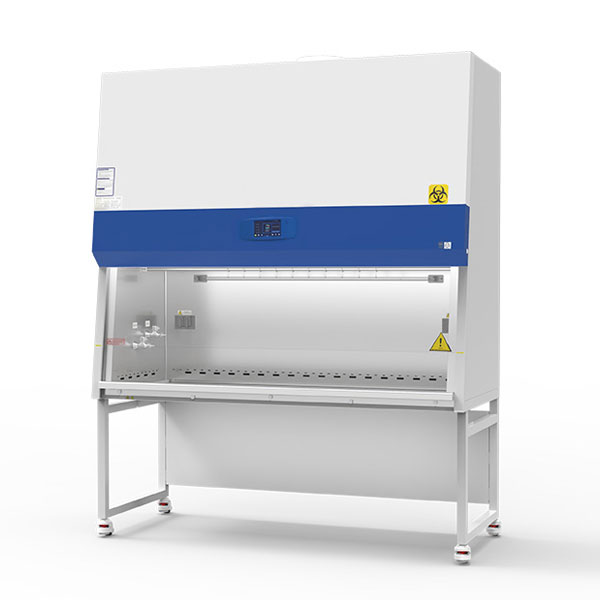
What Actually Happens During a Good Service Visit
A competent technician starts by asking questions. What have you noticed? When did it start? What do you use the cabinet for? This isn’t small talk. It’s diagnostic information.
Then comes the inspection. Experienced techs can often spot problems just by looking and listening before they pull out any test equipment. They check the obvious stuff first because sometimes the obvious stuff is the actual problem.
Testing comes next. For a Labconco Biosafety Cabinet, this means checking airflow velocities at multiple points, verifying filter integrity, making sure alarms work correctly, confirming the control system responds properly. Real testing requires calibrated instruments, not guesswork.
Whatever they find gets fixed or they explain your options. Good technicians don’t just do stuff without telling you what’s happening and why. They explain the diagnosis, discuss choices, and let you make informed decisions about expensive repairs.
You should get documentation afterward. Written records of what they tested, what they found, what they did, what the results were. If someone doesn’t want to put their work in writing, that tells you something.
Common Problems and What They’ll Cost You
Knowing ballpark prices helps you evaluate quotes and plan your budget.
Motor and Blower Issues
The blower motor runs constantly when your cabinet’s operating. Eventually, it wears out. Motor replacement on a Labconco Biosafety Cabinet usually runs $800 to $2,000 including parts and labor. Model variations affect pricing significantly.
Catching bearing problems early saves money. Bearing replacement costs way less than full motor replacement. But you have to actually call for service when you hear that grinding noise instead of “waiting to see if it gets worse.” It always gets worse.
Filter Replacement
HEPA filters don’t last forever. Replacement costs $300 to $800 per filter depending on size and type, plus labor for proper installation.
Here’s the important part. Filter replacement isn’t just swapping boxes. Proper installation requires leak testing to verify the new filter seals correctly. Skip that step and you might as well not have HEPA filtration at all. Cheap service that doesn’t include proper testing isn’t actually cheap.
Electronics and Controls
Modern cabinets run on circuit boards and software. When electronics fail, you get weird behavior, false alarms, or complete shutdown. Control board replacement typically costs $500 to $1,500 depending on how sophisticated your Labconco Biosafety Cabinet is.
Sometimes software updates fix control problems without replacing hardware. Authorized technicians have access to current firmware and know how to install it correctly.
Physical Damage
Whether structural damage can be repaired depends on what got damaged and how badly. Minor dents that don’t affect sealing or airflow? Usually fine to leave alone. Damage that compromises containment? You need professional assessment to know your options.
Glass panel replacement is pretty straightforward but requires proper materials to maintain safety ratings.
Finding Someone You Can Actually Trust
Not all service companies deserve your business. Here’s how to separate the good ones from the others.
Questions Worth Asking
Ask about technician qualifications specifically. NSF certified? Trained on Labconco equipment? How many years working specifically on biosafety cabinets, not just “laboratory equipment” generally?
Ask about parts. Do they use original manufacturer parts or aftermarket alternatives? For safety equipment, OEM parts matter. Aftermarket stuff might work fine or might create problems you won’t discover until something fails.
Ask about documentation. What records will you get? Can they provide calibration certificates for their test equipment? Will findings and recommendations be documented clearly?
Check their insurance. Reputable companies carry adequate coverage for problems that might arise during service.
Warning Signs
Technicians who don’t ask about your equipment’s history and what you’ve observed aren’t approaching diagnosis properly. Good troubleshooting requires context.
Refusing to provide written documentation is a major red flag. Either they’re unprofessional or they don’t want their work scrutinized.
Prices way below everyone else usually mean corners are being cut somewhere. Quality service costs real money. Super low quotes should make you suspicious, not excited.
Pushing equipment replacement when repair makes sense might indicate sales pressure rather than honest advice. Get second opinions on recommendations to replace rather than repair.
Maintenance That Prevents Problems
The cheapest repair is one you never need. Regular maintenance catches small issues before they become expensive failures.
Daily Habits
Wipe down work surfaces after use. Takes a minute. Prevents contamination buildup that causes problems over time.
Do a quick visual check when you start working. Look for anything unusual in the work area, around the sash, at the air grilles. Takes seconds. Catches obvious problems early.
Let the cabinet run a few minutes before beginning work. Airflow stabilizes and you get a chance to notice any weird sounds or behavior.
Weekly Tasks
Do more thorough cleaning of all surfaces you can reach. Don’t forget areas that get skipped during daily wipes, like under the work surface and below the front grille.
Check that the sash moves smoothly. Sticking or drifting means the counterbalance system needs attention.
Verify alarms and indicators work. A Labconco Biosafety Cabinet with non-functional alarms gives you false confidence about containment. That’s dangerous.
Annual Professional Service
Even perfect daily and weekly maintenance doesn’t eliminate the need for annual professional service. Certification testing verifies your cabinet still meets specifications. Qualified technicians assess filter condition and remaining service life. Comprehensive evaluation catches developing problems.
Don’t skip annual certification. Your institution probably requires it anyway, and it’s genuinely important for safety.
When Replacement Makes More Sense Than Repair
Sometimes fixing old equipment doesn’t make financial sense. Here’s how to recognize that situation.
Age Factor
Biosafety cabinets typically give you 15 to 20 years with proper care. Past that point, parts become harder to find, efficiency drops, and unexpected failures become more likely.
If your Labconco Biosafety Cabinet is getting old and needs major repairs, do the math. What’s the repair cost versus how much useful life you’ll actually get? Sometimes spending big on equipment that needs replacement soon anyway doesn’t add up.
Technology Changes
Older cabinets lack features that newer models offer. Better monitoring, more efficient motors, improved ergonomics, easier maintenance. Sometimes operational benefits justify replacement even when old equipment could technically be repaired.
Your Needs Changed
Maybe your lab’s work has evolved beyond what your current cabinet handles. Repairing equipment that no longer fits your needs maintains capability you don’t actually want. Getting something appropriate serves you better.
Damage Too Extensive
Some damage costs more to repair than the equipment is worth. Major structural problems, extensive corrosion, contamination that can’t be adequately cleaned. Sometimes repair just isn’t practical regardless of equipment age.
Getting Approvals Through Your Institution
Institutional purchasing procedures can slow down service if you don’t understand how they work.
Emergency vs. Planned Service
Most institutions have faster procedures for genuine emergencies. If your Labconco Biosafety Cabinet failure creates immediate safety concerns or stops critical research, emergency procurement channels might apply.
Planned maintenance and non-urgent repairs typically go through standard procurement timelines. Build maintenance into annual planning so you have time for proper purchasing procedures.
Making Your Case
Procurement people who don’t work in labs might not understand why biosafety cabinet service costs what it does. Be ready to explain the specialized nature of the work and safety implications of improper service.
Document what happens when maintenance gets deferred. Equipment failures that stop research cost way more than the maintenance that would’ve prevented them. Real examples make your case stronger.
Complete Laboratory Setup
Your biosafety cabinet works within a larger laboratory environment. Everything needs to work together.
Electrical Considerations
Your Labconco Biosafety Cabinet needs stable, adequate power. Circuits shared with other high-draw equipment can cause problems that look like cabinet malfunctions but aren’t.
Dedicated circuits for critical equipment eliminate troubleshooting variables and prevent cascade failures.
Ventilation Integration
Cabinets connected to building exhaust depend on those systems working correctly. Problems that seem like cabinet issues sometimes trace back to exhaust system failures.
Supporting Infrastructure
Modern laboratories need more than just biosafety cabinets. Storage, work surfaces, organizational systems all contribute to functional lab spaces.
TOPTEC PVT. LTD manufactures laboratory furniture in Pakistan designed for contemporary research environments. Their locally-made products provide the complete infrastructure that supports biosafety cabinet operations and creates efficient, functional laboratory spaces. For facilities in Pakistan, sourcing quality furniture domestically offers both cost advantages and faster delivery compared to imported alternatives.
Emergency Preparedness
Despite good maintenance, emergencies happen. Being prepared helps.
Safety First
If your Labconco Biosafety Cabinet fails during work with hazardous materials, personnel safety comes first. Follow emergency procedures for the specific hazards involved. Worry about equipment repair after people are safe.
Have Contact Information Ready
Know who to call before you need them. Don’t figure out emergency contacts during an actual emergency.
Know Your Alternatives
If you have multiple cabinets, failure of one might allow work to continue in another. Single-cabinet labs may need backup plans for critical work during extended repairs.
Final Thoughts
Taking care of your Labconco Biosafety Cabinet properly isn’t optional. It protects your research and keeps people safe. Certified technicians bring knowledge you can’t get from general maintenance staff.
Build relationships with qualified service providers before you desperately need them. Keep good records. Invest in preventive maintenance. The cost of doing this right is nothing compared to equipment failures, lost research, or safety incidents.
For laboratories in Pakistan, TOPTEC PVT. LTD offers locally manufactured furniture meeting international standards. Quality equipment combined with proper service and appropriate supporting infrastructure creates environments where important work happens safely and efficiently.
Your cabinet deserves professional care. Your work depends on it. Your safety requires it. Don’t cut corners on this stuff.
