

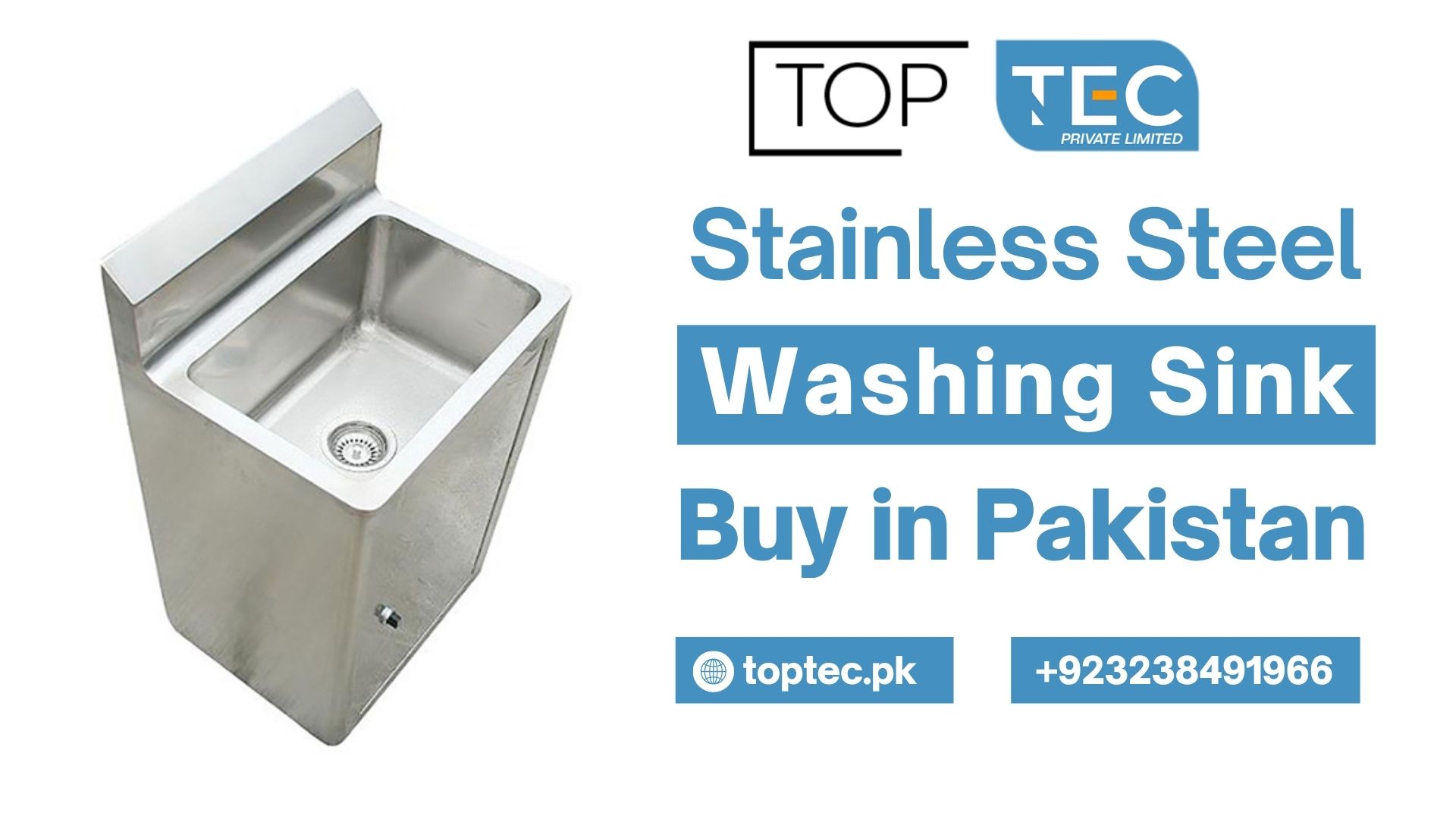
What Is a Stainless Steel Washing Sink? You know, I’ve spent way too much time thinking about washing sinks over the years. Seriously. When I first started working in labs, I just grabbed whatever was available and didn’t really think about it. But then I started noticing things – rust appearing, dents everywhere, water spots that wouldn’t go away. That’s when I realized there’s actually a lot to this whole sink business.
So here’s the thing about stainless steel washing sinks. They’re basically these heavy-duty sinks designed to take a beating day after day. I mean, they’re constantly being used – washing glassware, equipment, tools, whatever. They need to handle chemicals, scratches, constant water exposure, and honestly just general abuse. If you’re thinking about it, you should definitely buy Stainless Steel Washing Sink that actually suits what you’re doing.
304 vs. 316 Stainless Steel – What’s the Real Difference?
Okay, so this is where people get confused and honestly, I don’t blame them. There’s this whole thing with different stainless steel grades, and it sounds way more complicated than it actually is.
304 Stainless Steel is basically the standard choice. It’s everywhere because it works, it’s affordable, and it doesn’t rust easily under normal conditions. I’ve worked in dozens of labs with 304 sinks and they perform just fine. The thing is, 304 has chromium and nickel, which give it that corrosion resistance you’re looking for. Under regular lab conditions – normal cleaning solutions, distilled water, that kind of stuff – it holds up great.
Now 316 Stainless Steel is like the upgraded version. It’s got everything 304 has, but with extra molybdenum mixed in. That molybdenum is actually important because it makes the steel tougher against really aggressive chemicals and corrosive substances. I’ve seen 316 used in facilities dealing with harsh acids, bleach solutions, and industrial-grade chemicals. It costs more, sure, but if you’re constantly exposed to nasty stuff, it’s worth it. When you buy Stainless Steel Washing Sink for heavy chemical work, go with 316. You won’t regret it.
The real-world difference? In a standard lab, 304 will outlast what you need. In a facility with aggressive chemicals or outdoor exposure, 304 might start showing wear while 316 keeps chugging along like nothing happened.
Understanding Gauge – And Why It Actually Matters
This gauge thing tripped me up initially. The numbers seem backwards, right? Like, a higher number should mean thicker, but it doesn’t.
Lower gauge = thicker steel. Higher gauge = thinner steel.
So if someone tells you they’ve got a 12-gauge sink versus a 16-gauge sink, the 12-gauge is noticeably heavier and thicker. The 16-gauge is lighter and more flexible.
When you buy Stainless Steel Washing Sink, you’re typically going to see 14, 16, or maybe 12 gauge options.
16 Gauge is pretty standard. It’s lighter, thinner, and cheaper. It works fine for moderate use. But here’s the thing – it dents. Drop something heavy in there and you’ll see a mark. Not a huge deal functionally, but it bugs me personally. If your sink’s going to take moderate use and you’re not too worried about cosmetics, 16 gauge is totally acceptable.
14 Gauge is the sweet spot for most places. It’s noticeably heavier. You feel it when you touch it. It resists denting way better, and honestly, it just feels more substantial and professional. Price-wise, you’re paying a bit more, but I think it’s worth it.
12 Gauge is the heavy-duty industrial stuff. This is what you use when you know things are going to get rough. Manufacturing facilities, super busy labs, places where the sink gets constant heavy use – that’s where 12 gauge shines. It costs more upfront, but the longevity is genuinely impressive.
When you buy Stainless Steel Washing Sink, don’t just go with the cheapest option. Think about what’ll actually happen in your space. Will people be rough with it? How often will it be used? That determines your gauge choice.
Installation Types – Pick What Works for Your Space
Alright, so this is another thing I didn’t think mattered much until I had to deal with installation issues. There’s actually several ways to set up these sinks, and it affects how they look and function.
Drop-In Sinks are probably the most common. You literally drop them onto your counter from above, and they sit there with the rim resting on the countertop. Installation is straightforward – honestly, it’s almost foolproof. The edges sit above your counter, so water cleanup is easy. They look kind of traditional, but they work really well.
Undermount Sinks are the fancy option. They mount underneath the counter, so the sink is completely hidden and the counter edge comes down right to the sink opening. Looks super clean and modern. But here’s the catch – installation is more involved, your counter has to be strong enough, and if something goes wrong, it’s a bigger hassle to fix. I’ve only seen these in newer facilities or places with serious budgets.
Wall-Mounted Sinks are clutch if you’re tight on space. Just bolts straight to the wall, no counter needed. Drains directly into a floor drain or wall pipe. Perfect for cramped labs or facilities doing renovations. I know a couple places that went this route just to save counter space.
Farmhouse-style Sinks have that front panel that extends past the counter edge. They’re kind of charming, but honestly, I don’t see them much in lab settings. They’re more of a kitchen thing.
When you buy Stainless Steel Washing Sink, make sure you know where your drains are and how much counter or wall space you’re working with. Installation type has to match your actual setup.
Why Labs Actually Need These Sinks
I’ve worked in enough different facilities to understand why stainless steel is the go-to choice for labs. It’s not just because it looks professional.
You need something that won’t react with chemicals. Stainless steel just sits there and does its job while acids, bases, solvents, and all kinds of nasty stuff gets washed away. Regular materials would corrode or degrade. Stainless steel doesn’t care.
Plus, smooth stainless surfaces are way easier to sanitize. No porous areas where bacteria can hide. No weird crevices or cracks. Just a smooth, clean surface you can wipe down. That matters when you’re dealing with anything that needs to be sterile or hygenic.
And honestly, it looks professional. There’s something about a shiny stainless steel sink that just says “this is a serious workspace.” I know that sounds shallow, but perception matters in professional settings.

Getting Equipment from TOPTEC – Pakistan’s Quality Choice
Look, I’m not gonna lie, I was skeptical at first about getting lab equipment from Pakistan. But TOPTEC changed that for me. These guys actually manufacture quality stuff right there. They’re not importing garbage or cutting corners – they’re building equipment from scratch.
When you buy Stainless Steel Washing Sink from TOPTEC, you’re getting something built specifically for lab environments. They understand what labs actually need because they work with labs. Their stainless steel washing sinks are properly engineered, the materials are quality, and the pricing is honestly way better than importing from overseas.
The cool thing is you’re supporting local manufacturing. You’re getting reliable equipment without the crazy international shipping costs or waiting months for delivery. TOPTEC gets it done right and ships it fast.
Actually Important Stuff to Think About Before Buying
So you’ve got the grades and gauges down. Before you buy Stainless Steel Washing Sink, here’s what I actually check:
First – what grade do you really need? If you’re doing standard lab work, 304 works. If chemicals are intense, go 316.
Second – gauge thickness. Be honest about usage. Moderate use? 16 gauge. Heavy use? Go 14 or 12.
Third – measure your space. Write down the exact dimensions. Don’t just eyeball it because you’ll end up with something that doesn’t fit right.
Fourth – know where your drains are. Like, physically look at them before ordering. Installation type has to match your plumbing.
Fifth – do you need extras? Some sinks come with grate inserts, strainer baskets, overflow holes. Figure out what you actually need.
Sixth – think about future use. Is this for right now, or will you be doing more intense work in six months? Plan accordingly.
When you buy Stainless Steel Washing Sink, these details matter way more than the shiny marketing stuff.
Keeping Your Sink from Getting Gross
Here’s the thing nobody talks about – a good sink stays good if you actually maintain it. It’s not rocket science.
Clean it regularly. Just use mild soap and warm water. Wipe it dry after use. That’s it. This prevents water spots and keeps it looking nice.
Every couple weeks, use actual stainless steel cleaner. Spray it on, wipe it down, watch it get shiny again. Feels good honestly.
Don’t do stupid stuff like use steel wool or abrasive scrubbers. That scratches the finish and looks terrible. Soft cloths only.
Don’t leave aggressive chemicals sitting in there overnight. Use them, rinse immediately, dry it. Leaving corrosive stuff in contact with the steel, even 316, isn’t great long-term.
Seriously, just dry it after use. Water spots are like the death of stainless steel appearance. They’re not harmful functionally, but they look neglected.
Proper care means you’re looking at years and years of use. Neglected sinks start looking rough surprisingly fast.
Real Questions I Actually Get Asked
Do I really need 316 or is 304 fine?
Most labs are totally fine with 304. You only go 316 if you’re dealing with really harsh chemicals or outdoor conditions. Don’t overspend if you don’t need to.
How thick should the gauge actually be?
Depends. If it’s getting hammered daily, thicker is better. Standard lab work? 16 gauge is fine. Just don’t cheap out completely.
Can I install this myself or do I need someone?
Drop-in? Sure, probably. Undermount? Probably not unless you know what you’re doing. When you buy Stainless Steel Washing Sink, ask about installation. Some places offer installation services.
Does it really matter where I buy it?
Yeah, actually. Quality varies. TOPTEC makes solid products at reasonable prices. You’re better off with a reliable manufacturer than hunting for the cheapest option online.
Quality Actually Matters – More Than You’d Think
I’ve seen cheap sinks that looked rough after a year. I’ve seen expensive sinks that outlasted equipment that cost ten times as much. The difference is material quality and manufacturing standards.
When you buy Stainless Steel Washing Sink, you’re making a choice that affects your next five to ten years. Cheap options feel smart initially, then frustrate you constantly. Quality options cost more but actually deliver value.
TOPTEC gets this. Their products are built properly. You can tell just handling them.
Bottom Line
Stainless steel washing sinks are essential in labs and professional settings. Understanding 304 versus 316, gauge thickness, and installation options means you’re making smart choices instead of guessing.
Think about what you’re actually doing, measure properly, pick the right grade and gauge, and match your installation type to your space. When you buy Stainless Steel Washing Sink, use this information to make a real decision, not just grab whatever’s available.
Your sink will be there day after day, year after year. Make it count.
